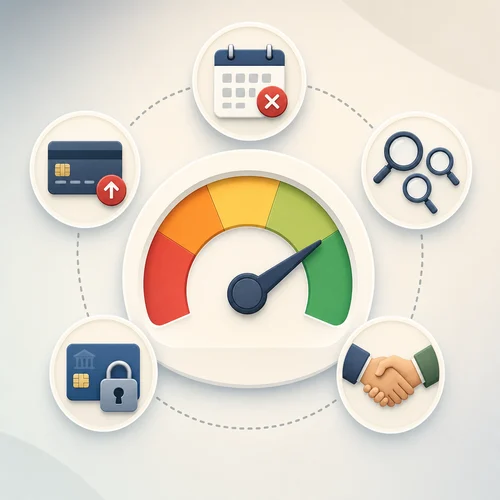
If your credit history is not perfect, you may still be able to apply for boat loan finance in Australia. However, imperfect credit can affect how a lender assesses your application, the type of finance available, the interest rate offered and whether extra information is requested.
This article explains how boat loan eligibility may be assessed when an applicant has missed payments, defaults, a thin credit file or other past financial issues. It is general information only and does not take your personal objectives, financial situation or needs into account.
Can you apply for a boat loan with imperfect credit?
Yes, people with imperfect credit can generally still apply for boat finance, but applying is not the same as being approved. Each lender has its own credit policy, risk appetite and assessment process. Some lenders may consider applications with past credit issues, while others may have stricter requirements.
Imperfect credit may mean different things depending on the lender and your wider circumstances. For example, a single missed repayment from several years ago may be viewed differently from recent defaults, unpaid debts, bankruptcy history or repeated declined applications.
Rather than focusing only on whether you have a perfect credit score, lenders will usually look at the overall picture: your current income, expenses, debts, repayment history, the boat being financed and whether the proposed loan appears affordable.
What imperfect credit may include
Credit history boat loan assessments can consider a range of information. Depending on your circumstances, imperfect credit may include:
- missed or late repayments on loans, credit cards or utilities;
- defaults listed on your credit report;
- a high number of recent credit enquiries;
- court judgments or serious unpaid debts;
- past hardship arrangements, debt agreements or bankruptcy;
- limited credit history, sometimes called a thin credit file;
- current high credit card limits or other debts that reduce borrowing capacity.
Not every issue carries the same weight. Timing, severity, whether the debt has been paid, and whether your current finances have improved can all matter.
Boat loan eligibility factors lenders may assess
Boat loan approval factors are usually broader than your credit score alone. While lender criteria vary, the following areas are commonly relevant.
| Assessment factor | Why it may matter |
|---|---|
| Credit history | Lenders may review repayment conduct, defaults, enquiries and any serious adverse listings to understand past borrowing behaviour. |
| Income and employment | Stable and verifiable income can help demonstrate your ability to meet repayments, although casual, contract or self-employed income may require extra documents. |
| Existing debts | Credit cards, personal loans, car loans, mortgages and buy now pay later commitments can affect borrowing capacity. |
| Living expenses | Regular household costs are considered when assessing whether repayments may be affordable. |
| Loan amount and term | A larger loan or longer term may increase total interest costs and affect the lender's risk assessment. |
| Deposit or equity | A deposit may reduce the amount borrowed, but it does not ensure approval or a particular rate. |
| The boat itself | Age, condition, value, type and whether the boat is new or used may influence secured loan options. |
| Bank statements | Some lenders may review transaction history to check income, expenses, account conduct and recurring commitments. |
Secured and unsecured boat finance with imperfect credit
Marine finance may be offered as secured or unsecured lending, depending on the lender, the asset and the applicant's circumstances.
With a secured boat loan, the boat may be used as security for the loan. This can reduce the lender's risk compared with an unsecured loan, but it also means the lender may have rights over the boat if repayments are not met. The boat's age, condition, value and suitability as security can all be relevant.
An unsecured personal loan does not use the boat as security, but lender criteria may be stricter and interest rates may differ. For applicants with imperfect credit, unsecured finance can be harder to qualify for, depending on the lender and the strength of the overall application.
Neither structure is automatically better for every borrower. The right comparison depends on total cost, repayment flexibility, fees, risk and whether the loan suits the purpose of the boat purchase.
Why affordability matters as much as credit history
Even where a lender is willing to consider imperfect credit boat finance, affordability remains central. A loan that appears manageable at first can become difficult if ongoing boat ownership costs are underestimated.
When estimating affordability, consider more than the purchase price. Boat ownership may involve registration, insurance, maintenance, storage, marina or mooring fees, fuel, safety equipment, repairs and possible upgrades. These costs can vary significantly depending on the type and size of boat and how often you use it.
Before applying, it may help to test different repayment scenarios using a boat loan calculator. Try changing the loan amount, repayment term and interest rate assumptions to see how sensitive repayments may be. A calculator is only an estimate, not a lender quote or approval.
Documents that may help support an application
Applicants with imperfect credit may be asked for more information so the lender can understand the current financial position. Documents can vary by lender, but may include:
- proof of identity;
- recent payslips, tax returns or business financials;
- bank statements;
- details of current loans, credit cards and other debts;
- evidence that old defaults or arrears have been paid or resolved;
- a purchase contract, invoice or valuation for the boat;
- insurance details, if required by the lender;
- information about the trailer, motor or accessories included in the purchase.
Being upfront about past issues can be more useful than hoping they will not appear. Lenders commonly use credit reporting information, and undisclosed debts or inconsistencies may slow the application or affect the outcome.
Ways to strengthen a boat loan application
There is no single step that ensures approval, but preparation may improve the quality and clarity of your application. Consider the following before applying:
- Check your credit report: Review your credit file for errors, outdated information or debts you do not recognise.
- Resolve overdue accounts where possible: Paying arrears or arranging payment plans may help show that issues are being addressed.
- Reduce unnecessary debt: Lower credit card balances or unused limits may improve borrowing capacity, depending on the lender's assessment.
- Build savings history: Regular savings may help demonstrate financial discipline, although it does not replace affordability checks.
- Choose a realistic boat: A smaller loan amount may be easier to service than stretching for a more expensive vessel.
- Avoid multiple applications at once: Repeated credit enquiries can affect how some lenders view risk.
- Prepare a clear explanation: If a credit issue was caused by a temporary event, such as illness or job loss, provide accurate context and evidence where relevant.
If your main concern is improving your credit profile before applying, the site's guide to improving credit scores for boat loans explains general steps that may help over time.
Higher costs and trade-offs to consider
Boat loan bad credit searches often focus on whether finance is possible, but cost is just as important. If a lender views an application as higher risk, the offered interest rate, fees, deposit requirement or loan conditions may differ from those available to lower-risk applicants.
Higher repayments can also increase financial pressure if boating costs rise or income changes. Before accepting an offer, review:
- the comparison rate, where provided;
- establishment, monthly, early payout or other fees;
- whether the interest rate is fixed or variable;
- the repayment amount and frequency;
- the total amount payable over the loan term;
- whether there is a balloon or residual payment at the end;
- what happens if you miss repayments;
- insurance or security requirements linked to the loan.
A loan can be available but still unsuitable for your budget. If repayments would leave little room for regular bills or unexpected expenses, it may be worth reconsidering the boat price, waiting longer, saving a larger deposit or seeking independent guidance.
When a broker or finance specialist may be useful
Some applicants speak with finance brokers or specialists to better understand which documents may be required and which lenders may consider their circumstances. A broker may help explain options, but they cannot ensure approval, and any recommendation should be assessed carefully against your own situation.
If you want assistance understanding application pathways, you can review the site's boat loan brokers information. Ask how the broker is paid, which lenders they work with, whether they hold an Australian credit licence or operate as a credit representative, and what fees may apply.
Questions to ask before applying
Before submitting a boat finance application, consider asking the lender or broker:
- Do you consider applicants with my type of credit history?
- Will checking my eligibility involve a credit enquiry?
- What documents will you need before assessing the application?
- How do you assess income if I am self-employed, casual or on variable income?
- Will the boat need to meet age, condition or valuation requirements?
- What fees, charges and repayment conditions apply?
- Can I make extra repayments or pay the loan out early?
- What happens if I experience hardship during the loan term?
These questions can help you avoid unnecessary applications and understand the obligations before committing.
Next steps for applicants with imperfect credit
If you are concerned about boat loan eligibility, start with a realistic view of your budget, current debts and credit report. Then compare how different loan amounts and terms may affect repayments before deciding whether to apply now or improve your financial position first.
You can also explore general boat loan finance options to understand common pathways before speaking with a lender or broker. Any application outcome, rate or loan condition will depend on your individual circumstances and the provider's criteria.