Buying a second-hand electric vehicle can reduce the upfront purchase price, but the finance assessment may not be the same as it is for a new EV. A used electric vehicle finance application can involve extra questions about the car's age, kilometres, battery condition, warranty status, resale value and whether it meets a lender's green car loan criteria.
This article explains how financing a used electric vehicle in Australia may differ from financing a new one, and what to check before applying. It is general information only and does not take your personal objectives, financial situation or needs into account.
Used EV finance versus new EV finance: the main differences
A new electric vehicle usually has a clear manufacturer price, current warranty coverage and dealer documentation. A used EV may still be straightforward to finance, but lenders can apply different policy settings because the asset is older and may be harder to value.
| Finance factor | New electric vehicle | Used electric vehicle |
|---|---|---|
| Vehicle age | Usually current model year or near-new stock. | Lenders may consider the vehicle's age at application and at the end of the proposed loan term. |
| Battery condition | Typically covered by a new vehicle warranty. | May need closer review, especially if warranty coverage is limited, expired or unclear. |
| Valuation | Often easier to benchmark against dealer pricing. | May depend on market value, condition, kilometres, specification and comparable sales. |
| Green loan eligibility | More likely to meet model year and emissions criteria where a green loan is available. | Eligibility can vary by lender; some products may exclude older vehicles or apply additional criteria. |
| Purchase channel | Commonly bought through a dealer. | May be bought from a dealer or private seller, which can affect documentation and settlement requirements. |
Why lender eligibility may be different for a used EV
Most secured car loans rely partly on the vehicle being acceptable security for the loan. With a used EV, a lender may assess both the borrower and the vehicle more closely. The application outcome, pricing and available terms depend on the lender's criteria and the applicant's individual circumstances.
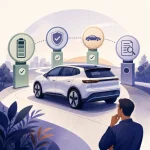
Common vehicle-related checks may include:
- Age of the vehicle: Some lenders set limits on how old a vehicle can be at the start or end of the loan term.
- Odometer reading: Higher kilometres can affect valuation and lender comfort, particularly for older cars.
- Vehicle condition: Accident history, service records, tyre condition, charging equipment and general presentation may all matter.
- Battery health: Because the battery is central to an EV's value and usability, poor battery condition may affect resale value and finance risk.
- Security value: If the proposed loan amount is high compared with the vehicle's assessed value, the lender may require a larger deposit or may not approve the requested amount.
If you are comparing broader electric vehicle loan options, it can help to separate the borrower criteria from the vehicle criteria. A strong credit profile does not automatically mean a particular used EV will meet a lender's asset requirements.
Battery condition and warranty status can matter more on a second-hand EV
Battery health is one of the biggest differences between financing a used EV and a new one. A new EV will usually come with current manufacturer warranty coverage. A second-hand electric car may still have remaining battery warranty, but the coverage can depend on the vehicle's age, kilometres, service history, transfer conditions and manufacturer terms.
Before applying for a second hand electric car loan, consider asking for:
- the original warranty start date and remaining warranty period;
- evidence of service history and any battery-related repairs or recalls;
- details of whether the battery warranty transfers to the next owner;
- information about charging history where available;
- an independent inspection or battery health report if appropriate for the vehicle.
A lender may not require every one of these documents, but they can help you understand what you are buying. They may also help reduce uncertainty if the lender, broker or dealer asks questions about the vehicle's condition.
Green car loan eligibility is not always automatic for used EVs
A used EV may appear to be an obvious fit for a green car loan, but green car loan eligibility is set by each lender. Some lenders may consider eligible used electric vehicles, while others may limit discounted or green-labelled products to new vehicles, near-new vehicles, certain model years or vehicles that meet specific emissions or efficiency standards.
This is where the detail matters. The same car might qualify with one provider but not another, or it may be financeable under a standard car loan even if it does not qualify for a green product. To understand how green products can differ, see this guide to green car loans and electric vehicle finance in Australia.
Be careful with assumptions based on the vehicle being electric. Eligibility, interest rates, fees and loan features depend on lender policy and your application details.
Lower purchase price does not always mean lower total borrowing risk
Used EVs often cost less than equivalent new vehicles, which can reduce the amount you need to borrow. However, lenders may still consider the total risk of the loan. A cheaper older car with uncertain resale value may not be assessed in the same way as a newer vehicle with strong documentation.
When comparing repayments, look beyond the sticker price. Consider:
- loan amount after any deposit or trade-in;
- interest rate and comparison rate, where available;
- establishment, monthly or early repayment fees;
- loan term and whether it extends beyond expected ownership;
- insurance costs;
- home charging costs or public charging needs;
- possible tyre, servicing and repair costs;
- future resale value and battery condition.
You can use an electric vehicle loan calculator to test different loan amounts, terms and repayment assumptions before you apply. Calculators are only estimates, but they can help you compare scenarios such as a newer used EV with a higher price versus an older EV with a lower purchase price.
Private sale and dealer purchases may be treated differently
Financing a used EV through a dealer can be administratively simpler because the dealer can usually provide invoices, vehicle details and settlement information. A private sale may still be possible, but lenders often require more documentation before funds can be released.
For a private sale, you may need to allow extra time for checks such as verifying the seller, confirming ownership, checking whether the vehicle has finance owing, and ensuring the vehicle can be registered and insured. In Australia, buyers commonly use vehicle history checks to look for issues such as encumbrances, written-off status or stolen vehicle records before proceeding.
If the lender is taking the vehicle as security, it will usually need enough confidence that the car exists, is correctly identified and can be properly secured. Requirements vary by lender.
Depreciation and resale value can affect the finance decision
Used EV buyers may benefit from some depreciation already having occurred, but that does not remove resale value risk. EV values can be influenced by battery health, warranty coverage, charging capability, software support, newer model releases and changes in buyer demand.
If you expect to upgrade again in a few years, think about how the loan balance might compare with the vehicle's future value. A longer loan term may lower regular repayments, but it can also mean the debt reduces more slowly. The relationship between depreciation and your loan balance is worth understanding before you commit.
For a broader explanation of these value drivers, read more about electric vehicle depreciation and resale value.
How a used EV can affect your total cost of ownership
A used EV can be attractive because the entry price may be lower than buying new. But the finance decision should sit within the wider ownership cost, not just the monthly repayment.
For example, a used EV with a lower purchase price but limited battery warranty may suit one buyer and be unsuitable for another. A newer used EV may cost more upfront but have more remaining warranty coverage and stronger resale appeal. Insurance premiums, charging setup, servicing, tyres and registration costs can also vary.
If you are still comparing the broader economics of EV ownership, this article on the total cost of electric vehicle ownership in Australia can help you frame the bigger picture.
Questions to ask before applying for used electric vehicle finance
Before submitting a used EV loan Australia application, it can help to collect key information about both the vehicle and your preferred loan structure.
- Is the vehicle acceptable to the lender? Ask about age, kilometre, private sale and security requirements.
- Does it qualify for green loan terms? Do not assume eligibility simply because it is electric.
- How much battery warranty remains? Confirm whether the warranty transfers and whether any conditions apply.
- Is the valuation realistic? Compare the asking price with similar vehicles, condition and kilometres.
- Will the loan term suit the asset? Consider whether the car may be much older by the time the loan ends.
- What documents are required? Dealer purchases and private sales may require different paperwork.
- Can you afford the full ownership cost? Include repayments, insurance, charging, maintenance and potential repairs.
When a broker may be useful
Because lender policies can vary for used EVs, it may be useful to understand which lenders are more comfortable with the vehicle type, age, purchase channel and green loan criteria. A broker may be able to help compare available options, but any recommendation or outcome will depend on your circumstances and the lenders considered.
You can learn more about the site's broker network if you want to understand how lender policy differences may be reviewed during the finance process.
Key takeaways
Financing a used electric vehicle is not necessarily difficult, but it can involve different considerations from financing a new EV. The main differences usually relate to vehicle age, battery condition, warranty status, valuation, purchase documentation and whether the car qualifies for green car loan eligibility.
Before applying, check the vehicle carefully, compare repayment scenarios and avoid assuming that all EV finance products treat new and used cars the same way. The more clearly you understand the car and the lender's criteria, the better prepared you will be to assess whether the finance structure is appropriate for your situation.