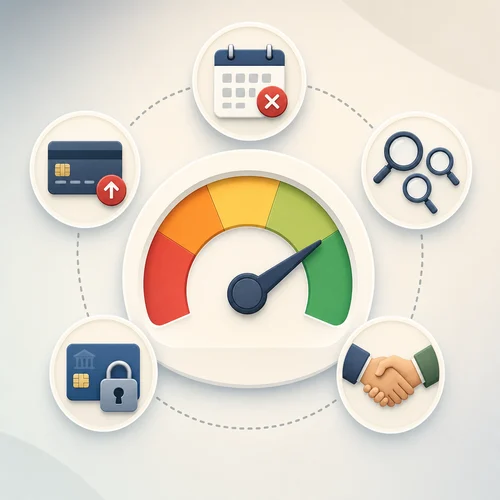
Personal loans in Australia are a common way to borrow a set amount of money for personal expenses, then repay it over time with interest. They can be used for many purposes, including buying a vehicle, funding a renovation, paying for travel, covering medical or dental costs, or consolidating existing debts.
Before applying, it is important to understand how personal loans work, what affects the cost, how lenders assess applications and what repayment commitment you may be taking on. This article provides general information only and does not take your personal objectives, financial situation or needs into account.
What is a personal loan?
A personal loan is a credit product where a lender provides a borrower with an agreed loan amount. The borrower repays the loan over a set term through regular repayments. Those repayments usually include both the amount borrowed and interest, and may also include fees depending on the loan and lender.
Personal loans are generally different from credit cards because they usually have a fixed loan term, a structured repayment schedule and a defined loan amount. They are also different from home loans because they are typically smaller, shorter-term and used for personal expenses rather than purchasing property.
If you are still comparing broad loan categories, Loan Finance Online provides information across personal and business loan finance, including personal loans, car loans, home loans and commercial finance.
How personal loans work
While loan products vary, most personal loans follow a similar process:
- You choose a loan purpose and amount. The lender may ask what the loan will be used for and how much you need to borrow.
- You select a loan type. This may include choosing between secured and unsecured borrowing, and fixed or variable interest.
- The lender assesses your application. This usually involves reviewing your income, expenses, credit history, existing debts and ability to repay.
- If approved, funds are provided. The funds may be paid to you, a seller or another lender, depending on the purpose and loan structure.
- You make regular repayments. Repayments are usually weekly, fortnightly or monthly over the agreed term.
Approval, loan amount, interest rate and conditions depend on your circumstances and the lender's criteria. Different lenders may assess the same borrower differently.
Secured personal loans versus unsecured personal loans
One of the biggest choices is whether the loan is secured or unsecured.
| Loan type | How it works | Key considerations |
|---|---|---|
| Secured personal loan | The borrower provides an asset as security for the loan. For example, a vehicle may be used as security for a car loan. | May provide access to different rates or borrowing conditions, but the lender may have rights over the secured asset if repayments are not made. |
| Unsecured personal loan | No specific asset is provided as security for the loan. | Can be more flexible for some purposes, but may have stricter eligibility criteria or different pricing because the lender is taking on more risk. |
A secured personal loan may suit some borrowers where the loan purpose involves an eligible asset, such as a car. An unsecured personal loan may suit purposes where there is no suitable asset, such as travel, medical costs or debt consolidation. The right structure depends on the lender's criteria and your circumstances.
Fixed-rate and variable-rate personal loans
Personal loans may also have a fixed or variable interest rate.
- Fixed-rate personal loan: the interest rate stays the same for the agreed fixed period, which can make repayments more predictable.
- Variable-rate personal loan: the interest rate can move up or down, which means repayments or total interest costs may change.
Fixed rates can help with budgeting, but some fixed-rate loans may have restrictions or fees if you make extra repayments or repay early. Variable-rate loans may offer more flexibility, but they can expose borrowers to repayment changes if rates rise. Always check the loan terms, not just the advertised rate.
What can personal loans be used for?
Common reasons Australians consider a personal loan include:
- buying a new or used car;
- home improvements or renovations;
- travel or major life events;
- medical, dental or veterinary expenses;
- education or training costs;
- debt consolidation;
- buying household goods or equipment.
Some lenders place restrictions on loan purpose. For example, certain loans may be designed specifically for vehicles, while others may not allow business use. If the borrowing is for a business purpose, a business finance product may be more appropriate than a personal loan.
Costs to understand before applying
The interest rate is important, but it is not the only cost to consider. When comparing personal loans, look at the overall cost and the loan conditions.
Interest rate
The interest rate affects how much interest you pay over the life of the loan. The rate offered to you may depend on factors such as your credit profile, income, employment, loan amount, loan term, security and the lender's assessment criteria.
Comparison rate
For many consumer loans in Australia, lenders display a comparison rate. This combines the interest rate with certain fees and charges to help borrowers compare loans more consistently. However, a comparison rate is based on assumptions and may not reflect your exact loan amount, term or fee situation.
Upfront fees
Some personal loans may include establishment, application or documentation fees. These can affect the total amount you need to repay.
Ongoing fees
Some lenders charge monthly, annual or account-keeping fees. A loan with a lower interest rate but higher ongoing fees may not always be cheaper overall.
Early repayment and extra repayment conditions
If you plan to pay the loan off faster, check whether extra repayments are allowed and whether early repayment fees apply. This is particularly important for some fixed-rate loans.
Late payment and default fees
Missing repayments can lead to fees, extra interest, collection activity and potential negative impacts on your credit file. If you are struggling to repay, contact the lender early to discuss hardship options.
Personal loan repayments and affordability
Your repayment amount usually depends on the loan amount, interest rate, loan term, repayment frequency and any applicable fees. A longer loan term may reduce each repayment, but it can increase the total interest paid over time. A shorter term may reduce total interest but increase the regular repayment amount.
Before applying, consider whether repayments would remain manageable if your circumstances changed. For example, think about how you would cope with reduced income, unexpected expenses or changes to household costs.
Useful questions include:
- Can I afford the repayments without relying on more credit?
- Will this loan reduce or increase financial pressure?
- Do I have an emergency buffer after taking on the loan?
- Have I allowed for fees, insurance, maintenance or related costs?
- Would a smaller loan amount or longer saving period be safer?
Personal loan eligibility in Australia
Eligibility requirements vary between lenders, but personal loan applications commonly consider:
- Age and residency: lenders usually require borrowers to meet age, residency or visa-related criteria.
- Income: lenders assess whether you have income that can support repayments.
- Employment or income stability: this may include full-time, part-time, casual, self-employed or other income types, depending on lender policy.
- Expenses: regular living costs and household commitments are considered.
- Existing debts: credit cards, buy now pay later arrangements, home loans, car loans and other credit commitments can affect borrowing capacity.
- Credit history: lenders may review your credit report, repayment history, defaults, enquiries and overall credit conduct.
- Loan purpose and security: the reason for borrowing and any asset used as security can influence assessment.
Meeting basic eligibility criteria does not mean a loan will be approved. Lenders still assess whether the loan is suitable under their own policies and whether you appear able to repay without substantial hardship.
Documents you may need
The documents requested will depend on the lender and your situation. Common examples include:
- proof of identity;
- recent payslips or income evidence;
- bank statements;
- details of existing debts and expenses;
- employment information;
- tax returns or financial statements if self-employed;
- vehicle details or asset information for secured loans.
Having documents ready can make the process smoother, but it does not ensure approval. If your income is irregular or you are self-employed, lenders may ask for additional evidence.
Debt consolidation personal loans
A debt consolidation personal loan combines multiple debts into one new loan. This can make repayments easier to manage if it reduces the number of accounts and repayment dates. In some cases, it may reduce interest costs, but this depends on the new loan rate, fees, term and the debts being consolidated.
Debt consolidation is not automatically beneficial. If the new loan term is much longer, you may pay more interest over time even if the regular repayment is lower. It is also important to avoid building up new credit card or personal debt after consolidating, as this can leave you with more debt overall.
How applying can affect your credit file
When you apply for a personal loan, the lender may perform a credit check. Credit enquiries can appear on your credit file. Multiple applications in a short period may affect how some lenders view your application, particularly if they suggest financial stress or uncertainty.
Before submitting applications, it can be helpful to compare options, understand eligibility criteria and check whether the loan is likely to match your needs. A finance broker may also help you understand what different lenders may require. You can learn more about broker support through the Brokers page.
Personal loan comparison: what to look beyond the rate
Loan comparison in Australia should consider more than the advertised interest rate. A loan with a low headline rate may still be less suitable if it has high fees, restrictive repayment terms or conditions that do not fit your needs.
When comparing personal loans, consider:
- the total amount repayable over the loan term;
- the comparison rate and what assumptions it uses;
- upfront and ongoing fees;
- whether the rate is fixed or variable;
- repayment frequency options;
- whether extra repayments are allowed;
- early payout conditions;
- secured versus unsecured structure;
- loan term flexibility;
- customer support and application process;
- whether the lender accepts your income type and loan purpose.
If you are unsure about terms such as interest rate, comparison rate, security or fees, the financial terms glossary may help you understand common language used in loan documents.
Risks and responsibilities
A personal loan is a legal repayment commitment. Before applying, consider the risks carefully.
- Repayment stress: borrowing more than you can comfortably afford can place pressure on your budget.
- Asset risk: with a secured personal loan, the lender may have rights over the secured asset if you default.
- Credit impact: missed repayments, defaults or repeated applications can affect your credit profile.
- Longer-term cost: stretching a loan over a longer term can increase total interest paid.
- Debt cycle risk: using loans to cover ongoing expenses may worsen financial stress if spending patterns do not change.
If you are already struggling with repayments or essential living costs, taking out new credit may not be appropriate. Consider speaking with a financial counsellor or your existing credit providers before applying for another loan.
Questions to ask before choosing a personal loan
Before committing, ask:
- What is the total cost of the loan, including interest and fees?
- Is the rate fixed or variable?
- What happens if I repay early?
- Can I make extra repayments?
- Are there late payment, monthly or account fees?
- Is the loan secured, and what asset is being used as security?
- What repayment amount fits safely within my budget?
- How will this loan affect my other financial goals?
- What documents will I need to provide?
- What happens if my income changes during the loan term?
Key takeaways
Personal loans can be useful when they are matched to a genuine need, a manageable repayment plan and a suitable loan structure. The main things to understand are the difference between secured and unsecured loans, fixed and variable rates, the full cost of borrowing, eligibility factors and the impact repayments may have on your budget.
Before applying, compare the overall cost and conditions, not just the rate. Consider whether the loan purpose is worthwhile, whether the repayment commitment is affordable and whether you have allowed for changes in your circumstances. Loan approval, pricing and terms depend on the lender's criteria and your individual financial position.