Used motorcycle finance in Australia can help you spread the cost of a bike, but buying second-hand comes with risks that are easy to miss if you focus only on the purchase price or monthly repayment. Before financing a used motorbike, it is worth checking the bike, the seller, the paperwork and the way loan funds will be paid.
This guide explains the key checks to make before committing to a used motorcycle purchase. It is general information only and does not take your personal objectives, financial situation or needs into account. Loan availability, pricing and conditions depend on lender criteria and your individual circumstances.
Why used motorcycle finance needs extra care
A used motorcycle may be cheaper than a new one, but the finance process can involve more due diligence. A lender may want details about the bike's age, condition, market value, registration status and whether it can be used as security for the loan. If the bike has existing finance, has been written off, has mismatched identification details or needs major repairs, that can affect both your purchase decision and the finance process.
If you are still deciding between a new and second-hand bike, you may also want to compare the broader trade-offs in buying a new motorcycle versus a used one in Australia.
1. Confirm the motorcycle's identity
Start by making sure the motorcycle you inspect is the same motorcycle described in the advertisement, sale contract and finance documents. Small differences can matter, especially if the loan is secured against the bike.
Check the following details carefully:
- VIN or chassis number: Match the number on the motorcycle to the seller's paperwork and any search results.
- Engine number: Confirm it matches the registration or service records where available.
- Make, model and year: Make sure the advertised model is accurate, including trim, variant and engine size.
- Odometer reading: Compare the reading with service records, roadworthy or inspection documents and the bike's general condition.
- Registration details: Check the plate number, expiry and registered state or territory.
If the seller avoids providing identification details, gives inconsistent information or pressures you to proceed before checks are complete, consider that a warning sign.
2. Run a PPSR motorcycle check
A Personal Property Securities Register check, often called a PPSR check, is one of the most important checks before financing a used motorcycle. A PPSR motorcycle check can show whether there is a registered security interest over the bike, which may indicate that money is still owed to a lender.
An encumbered motorcycle is a bike that may still be subject to finance or another registered interest. If you buy an encumbered motorcycle without properly managing settlement, there is a risk that another party may have rights over the bike if the existing debt is not cleared.
A PPSR search may also help identify whether the motorcycle has been recorded as written off or stolen, depending on available register information. It is important to use the correct VIN or chassis number and to keep a copy of the search result with your purchase records.
3. Understand how existing finance will be paid out
If the motorcycle has existing finance, do not rely only on the seller's verbal promise that they will pay it out after receiving your money. Ask for clear written information about the payout amount, the lender involved and how settlement will occur.
Depending on the transaction, a lender, broker, dealer or finance provider may be able to help structure settlement so that part of the funds goes directly to the existing lender to clear the debt, with any remaining amount going to the seller. The available process will depend on the provider's policies and the transaction details.
Before proceeding, consider asking:
- Who currently has a registered security interest over the motorcycle?
- What is the current payout amount and expiry date of that figure?
- Will funds be paid directly to the existing financier?
- When will the security interest be removed from the PPSR?
- What written evidence will you receive that the finance has been discharged?
Do not sign finance documents or transfer money until you understand the settlement process and are comfortable with the risks.
4. Check whether the bike has been written off or stolen
A written-off or previously stolen motorcycle may be difficult to finance, insure or resell. It may also have hidden structural or mechanical issues. A PPSR check can be a useful starting point, but you should also compare the result against the seller's explanation, service records and inspection findings.
If a motorcycle has been repaired after an accident, ask for documentation about the damage, repairs and inspection history. Rules and terminology can vary between states and territories, so check the requirements that apply where the bike is registered and where you plan to use it.
5. Inspect the motorcycle's condition before applying
Financing a used motorbike is not only about whether you can get a loan. You also need confidence that the bike is worth buying and can be safely used. A low purchase price may not be good value if major repairs are needed soon after settlement.
Areas to review include:
- Tyres: Check tread, age, cracking and uneven wear.
- Brakes: Look for worn pads, warped discs, leaks or unusual feel.
- Chain and sprockets: Excessive wear can indicate poor maintenance.
- Suspension: Check for leaks, sagging or unstable handling.
- Frame and forks: Look for signs of impact, repairs or misalignment.
- Engine and gearbox: Listen for unusual noise, smoke, leaks or rough shifting.
- Electrics: Check lights, indicators, horn, battery and dashboard functions.
- Modifications: Non-standard exhausts, engine changes or cosmetic alterations may affect insurance, compliance or lender assessment.
If you are not confident assessing the bike yourself, consider arranging an independent mechanical inspection before committing. The cost of an inspection may be worthwhile if it helps identify issues that affect safety, value or suitability for finance.
6. Review service history and ownership records
Service history can help you understand how the motorcycle has been maintained. A complete record is not always available, especially for older bikes, but gaps, vague explanations or missing receipts should prompt more questions.
Useful records may include:
- Logbook service stamps or digital service records
- Receipts for parts, tyres, batteries and major repairs
- Roadworthy or safety inspection documents where applicable
- Registration papers
- Owner's manual and spare keys
- Details of modifications or aftermarket parts
Also check whether the seller's name matches the ownership or registration documents, noting that registration is not always the same as legal ownership. If the person selling the bike is acting for someone else, ask for written authority and take extra care.
7. Check registration, roadworthy and transfer requirements
Registration and transfer rules are managed at state and territory level, so requirements can differ across Australia. Before financing a used motorcycle, check what is required in the relevant jurisdiction, particularly if you are buying interstate.
Consider:
- Whether the motorcycle is currently registered
- Whether a roadworthy or safety certificate is required for transfer
- Whether there are unpaid registration-related charges or transfer costs
- How long you have to transfer registration after purchase
- Whether interstate registration affects inspection or transport costs
If the bike is unregistered, ask how you will legally transport it and whether your lender is comfortable financing it. Some lenders may have restrictions on unregistered, damaged, imported, older or highly modified motorcycles.
8. Compare the asking price with realistic market value
A lender may assess the motorcycle's value before offering finance, particularly for a secured loan. If the asking price is higher than the bike's reasonable market value, you may need to contribute more of your own money or reconsider the purchase.
Do not rely on one advertisement as proof of value. Compare similar motorcycles by make, model, year, kilometres, condition, location and included accessories. Be careful with upgrades or accessories that the seller values highly, as they may not increase the bike's financeable value to the same extent.
You can also estimate possible repayments before making an offer by using a bike loan calculator. Calculator results are estimates only and actual repayments, fees, rates and loan terms depend on the lender, loan structure and your circumstances.
9. Know what lenders may check on a used motorcycle
When assessing financing a used motorbike, lenders may consider both the borrower and the asset. Their criteria can vary, but a used motorcycle may be reviewed for:
- Age and odometer reading
- Condition and market value
- Registration status
- Whether it is being purchased privately or through a dealer
- Whether it has existing finance or a PPSR interest
- Whether it has been written off, stolen or heavily modified
- Whether it meets the lender's acceptable security criteria
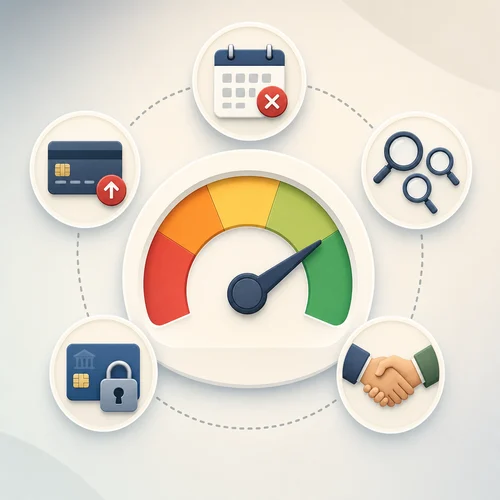
On the borrower side, lenders commonly consider income, expenses, credit history, existing debts, employment details and ability to make repayments. Meeting one requirement does not ensure approval, and each provider applies its own assessment process.
10. Decide between private sale and dealer purchase risks
Used motorcycles can be purchased privately or through dealers. Each option has different practical considerations.
| Purchase type | Potential advantages | Checks to make |
|---|---|---|
| Private sale | May offer more room to negotiate and access to a wider range of bikes. | Confirm seller identity, PPSR status, service history, registration transfer requirements and safe settlement handling. |
| Dealer sale | May provide more structured paperwork and consumer protections depending on the circumstances. | Review contract terms, included fees, warranty details, delivery charges and whether finance is tied to the sale. |
Whether you buy privately or from a dealer, read all documents before signing and do not assume verbal promises are included unless they are written into the contract.
11. Check insurance before finalising finance
If the loan is secured against the motorcycle, the lender may require the bike to be insured. Even where comprehensive insurance is not mandatory under the loan, you should consider how you would manage loss, theft or damage while still owing money.
Before settlement, check whether you can obtain insurance for the exact motorcycle, including its age, modifications, storage location and intended use. Premiums, excesses and cover availability depend on insurer criteria and your circumstances.
12. Review the loan agreement and sale contract together
Before signing, compare the motorcycle details in the loan agreement with the sale contract and your checks. The VIN, purchase price, deposit, loan amount and seller details should be consistent. If the loan is secured, make sure you understand what rights the lender may have if repayments are missed.
For a broader explanation of finance contract clauses, see what to look for in a motorcycle loan agreement.
Key finance details to review include:
- Interest rate type and how interest is calculated
- Loan term and repayment frequency
- Establishment, monthly, late payment and early repayment fees
- Any balloon or residual amount if applicable
- Security interest over the motorcycle
- Insurance or registration conditions
- Default consequences
- Settlement method and timing
Used bike loan checks before you commit
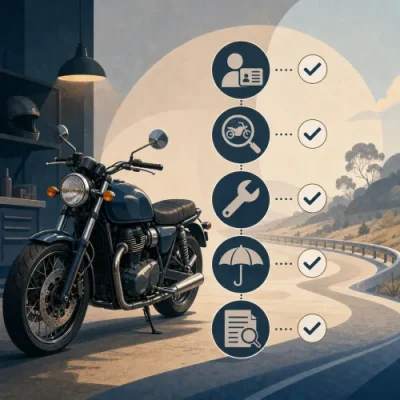
Before financing a used motorcycle in Australia, work through this final checklist:
- Match the VIN, engine number and registration details across all documents.
- Run a PPSR motorcycle check using the correct identifying details.
- Confirm whether the motorcycle is encumbered and how any existing finance will be paid out.
- Check for written-off or stolen status indicators.
- Inspect the bike or arrange an independent inspection.
- Review service history, receipts and modification details.
- Check state or territory registration and transfer requirements.
- Compare the asking price with similar motorcycles.
- Confirm whether the bike meets lender requirements for used motorcycle finance.
- Check insurance availability and likely ownership costs.
- Read the loan agreement and sale contract before signing.
Final thoughts
Financing a used motorcycle can be a practical way to buy a second-hand bike, but the checks are different from buying new. A PPSR check, identity match, mechanical review, finance payout process and careful contract review can help you avoid avoidable problems.
If you are comparing broader motorbike finance options, the Bike Loans Australia homepage can help you explore general finance information before deciding whether to apply. Take the time to verify the bike and the loan structure first, and only proceed when the purchase, repayment commitment and settlement process are clear.