New or used motorcycle: what is the real difference?
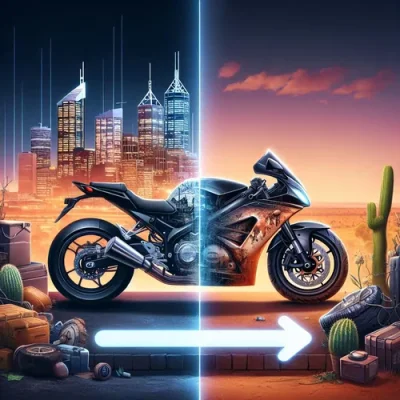
For many Australian riders, the choice between a new and used motorcycle comes down to more than the sticker price. A new bike may offer the latest features, a manufacturer's warranty and fewer early maintenance concerns. A used bike may cost less to buy, depreciate more slowly and provide access to models that are no longer available new.
The right choice depends on your budget, intended use, riding experience, appetite for maintenance risk and the finance terms available to you. If you are financing the purchase, the age and condition of the motorcycle can also affect loan terms, deposit requirements and monthly repayments.
Quick comparison: new vs used motorcycles
| Factor | New motorcycle | Used motorcycle |
|---|---|---|
| Purchase price | Generally higher upfront cost | Generally lower upfront cost |
| Depreciation | Often loses value more quickly in the early years | Initial depreciation has usually already occurred |
| Warranty | Typically includes manufacturer warranty coverage | May have limited warranty coverage or none at all |
| Maintenance | Usually fewer immediate repair concerns | May require more checks, servicing or replacement parts |
| Insurance | Can be more expensive due to higher value and newer components | May be cheaper to insure because of lower market value |
| Finance | May attract longer loan terms or more favourable rates | Terms may be shorter and lender requirements may be stricter |
Advantages of buying a new motorcycle
Manufacturer warranty coverage
A major benefit of buying new is that the motorcycle will typically come with a manufacturer's warranty for a set period. This can reduce the risk of unexpected repair costs if a manufacturing defect appears during the warranty term.
Warranty coverage does not remove every ownership cost, but it can provide more certainty in the early years compared with buying an older motorcycle with limited protection.
Latest technology and features
New motorcycles give buyers access to current model features. Depending on the bike, this may include newer safety systems, more efficient engines, updated electronics and comfort improvements.
For riders who value modern performance, current styling or the newest equipment, buying new can be appealing.
Lower early maintenance risk
Because the parts are new, a new motorcycle will generally be less likely to need immediate replacement of worn components. Regular servicing is still required, but buyers are less likely to inherit problems from a previous owner's use or missed maintenance.
Pride of ownership
Some riders simply prefer the experience of owning a brand new motorcycle. The unmarked condition, latest model year and ability to be the first owner can be important personal factors, even though they are not purely financial considerations.
Disadvantages of buying a new motorcycle
Higher purchase price
New motorcycles generally cost more than comparable used bikes. If you are financing the purchase, a higher price may mean borrowing more, making a larger deposit or taking on higher repayments.
Before committing, it is worth comparing the total cost of ownership rather than focusing only on whether the weekly or monthly repayment looks manageable.
Faster early depreciation
New motorcycles can lose value quickly in the first few years of ownership. This matters if you plan to sell or trade in the bike while it is still relatively new.
Depreciation can also be relevant when financing. If the bike's market value falls faster than the loan balance, you may owe more than the motorcycle is worth for a period of time.
Potentially higher insurance costs
Insurance premiums for new motorcycles can be higher because the insured value is greater and newer parts or advanced components may cost more to repair or replace. Insurance is a separate ownership cost that should be considered alongside repayments, servicing and registration.
Advantages of buying a used motorcycle
Lower purchase price
A used motorcycle is often more affordable to buy than a new one. This can make it easier to enter the market, choose a higher-spec model within your budget or borrow a smaller amount if you are using finance.
A lower loan amount may reduce repayments and total interest, although the final cost still depends on the rate, term, fees and deposit.
Slower depreciation
Used motorcycles have usually already gone through their steepest early depreciation. As a result, their value may be more stable over time compared with a brand new bike.
This can be useful if you expect to sell or trade in the motorcycle later, although resale value will still depend on condition, kilometres, service history, model demand and market conditions.
More choice across years and models
The used market can provide access to a broader mix of brands, model years and discontinued motorcycles. This may be useful if you want a specific older model, a classic style or a bike that is no longer sold new.
Potentially lower insurance costs
Because used motorcycles generally have a lower market value than new ones, insurance may cost less. This is not guaranteed, but it can help reduce ongoing ownership costs for some buyers.
Disadvantages of buying a used motorcycle
Hidden mechanical or maintenance issues
The biggest risk with a used motorcycle is that it may have problems that are not immediately obvious. Wear on tyres, brakes, suspension, engine components or the drivetrain can create costs after purchase.
Even a careful inspection may not reveal every issue, which is why a reputable seller, clear service history and pre-purchase mechanical check can be important. For a more detailed checklist, see this guide on what to check before financing a used motorcycle in Australia.
Limited or no warranty
Many used motorcycles come with limited warranty coverage or no warranty at all. Some dealerships may offer their own warranty, but the scope and duration may be narrower than a manufacturer warranty on a new bike.
If a major component fails after purchase and there is no applicable warranty, the repair cost may be your responsibility.
Higher maintenance costs over time
Older motorcycles may need more frequent servicing or replacement parts, especially if prior owners did not maintain them consistently. Parts for older or discontinued models may also be harder to source or more expensive.
Fewer or stricter finance options
Financing a used motorcycle can be more complex than financing a new one. Some lenders may have restrictions based on the bike's age, condition or value. Loan terms may be shorter and interest rates may be higher because the bike may be viewed as a higher-risk asset.
Finance considerations for new and used motorcycles
Loan term and repayment structure
New motorcycles may be eligible for longer loan terms, while used motorcycles may have shorter available terms. A longer term can reduce each repayment, but it may increase total interest paid over the life of the loan.
A shorter term may mean higher repayments but can reduce the time it takes to pay down the debt. You can use a personal loan repayment calculator to estimate how loan amount, term and rate can affect repayments.
Interest rates
Lenders may offer different rates for new and used motorcycles. New bikes are often viewed as lower risk because they are newer and easier to value, while used bikes may attract higher rates depending on age, condition and lender policy.
For a broader explanation of how rates work, see this guide to motorbike loan interest rates and comparison rates.
Deposit requirements
Some buyers may need a larger deposit for a used motorcycle, particularly if the lender is concerned about depreciation, age or resale value. A larger deposit can reduce the amount borrowed and may help keep repayments lower.
Monthly repayments and total cost
Monthly repayments are influenced by the loan amount, interest rate, term, fees and deposit. A used motorcycle may cost less upfront, but a higher rate or shorter term can change the repayment comparison. A new motorcycle may cost more, but some buyers may be offered longer terms or more favourable finance conditions.
If you decide to compare finance options or make an enquiry, you can start from the bike loan quote page and review the details carefully before proceeding.
How to decide which option suits your situation
Start with your budget
Consider the full cost of ownership, not only the sale price. Include loan repayments, insurance, servicing, tyres, registration, protective gear and a buffer for repairs.
A new motorcycle may cost more upfront but have fewer early repair concerns. A used motorcycle may cost less to buy but require more maintenance planning.
Think about how you will use the bike
If the motorcycle will be used for daily commuting, long-distance touring or as your main transport, reliability and warranty coverage may carry more weight. If it will be used mainly for weekend rides or as a hobby bike, a well-chosen used motorcycle may be more practical.
Consider your riding experience
Newer riders may prefer a cheaper used motorcycle while building confidence, especially because accidental drops or minor damage can be less financially painful on a lower-value bike. More experienced riders may place greater value on new technology, performance or specific current-model features.
Check access to parts and servicing
For new motorcycles, authorised service centres and parts support are generally easier to access. For older or less common used models, it is worth checking that suitable mechanics and replacement parts are available before buying.
Research brands, models and owner feedback
Before deciding, compare different brands and models. Reviews, owner forums, current riders, mechanics and dealerships can all provide useful information about reliability, common issues and real-world maintenance expectations.
Pre-purchase checklist
- Compare the purchase price with similar new or used motorcycles.
- Estimate repayments, insurance and maintenance costs before committing.
- For used bikes, check service history, condition and any signs of wear or damage.
- Consider a professional inspection, especially for older or higher-kilometre motorcycles.
- Ask whether any warranty applies and what it actually covers.
- Compare available finance terms, including interest rate, fees, deposit and loan term.
- Make sure the bike suits your riding experience, intended use and access to servicing.
Final thoughts
Buying new can provide warranty coverage, current features, lower early maintenance risk and the satisfaction of owning a brand new motorcycle. The trade-offs are a higher purchase price, faster early depreciation and potentially higher insurance costs.
Buying used can lower the entry cost, reduce the impact of early depreciation and provide more choice across model years. The trade-offs are the risk of hidden problems, limited warranty protection, possible maintenance costs and potentially stricter finance options.
There is no single best choice for every rider. The more useful question is which option aligns with your budget, riding needs, maintenance expectations and finance position.
Published: Friday 24th January, 2025
Last updated: Wednesday 26th August, 2026