When you enquire about or apply for a debt consolidation loan in Australia, you may be asked to provide documents that help a lender, broker or credit provider understand your financial position. The exact requirements can vary depending on the provider, loan type, your credit profile and whether the loan is secured or unsecured.
This guide explains the common debt consolidation loan documents you may need, why they matter, and how to prepare before starting a debt consolidation application. It is general information only and does not guarantee approval, pricing, loan availability or suitability.
Why documents matter in a debt consolidation application
A debt consolidation loan usually involves using one new loan to pay out several existing debts, such as credit cards, personal loans, buy now pay later balances or other eligible accounts. Before a lender can decide whether to offer credit, it will generally need to assess factors such as your identity, income, expenses, existing debts and capacity to make repayments.
Having your information ready can help you:
- understand what you currently owe before making an enquiry;
- avoid delays caused by missing or unclear documents;
- compare your current repayments with a possible new repayment structure;
- give a broker or lender a more accurate picture of your situation;
- identify whether another option, such as hardship support or budgeting assistance, may be more appropriate.
If you are still at the early enquiry stage, you can start by checking whether debt consolidation may be worth exploring through the Debt Consolidation Australia homepage. Any eligibility enquiry is still subject to individual circumstances and provider criteria.
Debt consolidation loan documents: common checklist
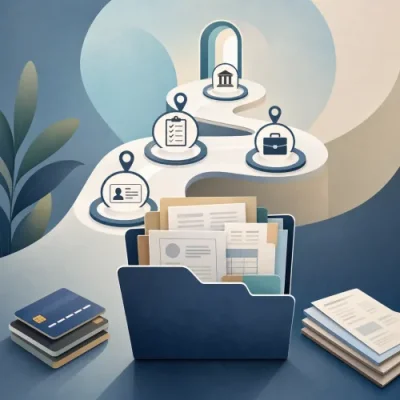
The documents below are commonly requested for personal loan and debt consolidation applications in Australia. Not every applicant will need every item, and some providers may request additional information after reviewing your application.
| Document or information | Why it may be requested |
|---|---|
| Identification | To confirm who you are and help meet identity verification requirements. |
| Income evidence | To assess your ability to make repayments from wages, salary, business income, benefits or other income sources. |
| Bank statements | To review income deposits, spending patterns, existing repayments and account conduct. |
| Details of current debts | To calculate the balances you want to consolidate and understand current repayment commitments. |
| Living expense information | To assess whether the proposed repayment may fit within your household budget. |
| Employment or business details | To understand income stability and the nature of your work. |
| Assets and liabilities | To understand your broader financial position, especially for larger or secured applications. |
| Credit history information | To help assess credit conduct, repayment history and existing credit limits. |
Identification documents
You will usually need to provide evidence of identity. This may include documents such as an Australian driver licence, passport, Medicare card or other accepted identification. Some providers use electronic identity checks, while others may ask you to upload copies or provide details from the documents.
Make sure your name, date of birth and address details are consistent across your application and supporting documents. If your documents show different names or addresses, you may be asked for extra evidence, such as a change-of-name document or recent proof of address.
Income documents lenders may ask for
Income evidence is a key part of most debt consolidation applications because it helps a lender assess serviceability. The documents needed can depend on how you earn income.
If you are employed
If you receive wages or salary, you may be asked for recent payslips, employment details and bank statements showing salary deposits. Some lenders may also ask about whether your role is full-time, part-time, casual, contract or probationary.
Debt consolidation payslips should usually show your employer, pay period, gross pay, net pay and any regular deductions. If your income varies because of overtime, allowances, commissions or shift work, a lender may ask for extra evidence to understand your usual income level.
If you are self-employed
Self-employed applicants may be asked for different documents from PAYG employees. These may include business bank statements, tax returns, notices of assessment, profit and loss information or accountant-prepared documents. Requirements can differ significantly between lenders.
If your business income changes from month to month, it may help to organise your information before applying so that any seasonal or irregular income is easier to explain.
If you receive Centrelink or other income
Some applicants receive income from government benefits, child support, investment income, rental income or other sources. A lender may ask for statements, letters, bank records or other evidence showing the amount and regularity of that income. Whether a particular income type is accepted depends on provider policy and the overall application.
Bank statements and transaction history
Debt consolidation bank statements are commonly requested because they can show both income and spending behaviour. A lender or broker may review bank statements to confirm income deposits, existing loan repayments, dishonours, overdrafts, regular expenses and discretionary spending.
Before submitting bank statements, check that they cover the requested accounts and date range. Do not alter documents or hide transactions. If there are unusual transactions, missed payments or temporary financial stress, it may be better to be ready to explain the context honestly rather than leaving gaps.
Only provide bank statements through secure channels and to legitimate providers. Be cautious about sending sensitive documents by unsecured email or uploading them to websites you have not verified.
Details of debts you want to consolidate
A debt consolidation application usually needs a clear list of the debts you want to include. This information may come from credit card statements, personal loan statements, store card statements, buy now pay later accounts or other creditor records.
For each debt, you may need to gather:
- the lender or creditor name;
- the current balance;
- the interest rate, if known;
- the minimum monthly repayment;
- the repayment frequency;
- the remaining loan term, if applicable;
- any payout figure or early repayment cost, if applicable;
- the account number or reference, if the new lender will pay the debt directly.
Current balances are important because credit card and loan balances can change quickly. A repayment estimate based on outdated figures may not reflect your actual position. If you want to organise these numbers before applying, a debt consolidation calculator may help you compare existing repayments with a possible consolidated repayment, subject to the assumptions you enter.
Expense and budget information
Lenders do not only look at income. They may also ask about your living expenses and regular commitments. This can include rent or mortgage payments, utilities, groceries, insurance, transport, childcare, school costs, medical costs, subscriptions and other regular spending.
It can be tempting to underestimate expenses to make an application look stronger, but inaccurate information can create problems. A realistic budget is more useful because it shows whether a proposed debt consolidation repayment may be manageable after essential costs are paid.
If you share expenses with a partner, housemate or family member, you may need to explain which costs you personally pay and which are shared. Providers may treat household costs differently depending on their assessment criteria.
Employment, address and residency details
A lender or broker may ask for information about your employment history, residential history and residency status. This can include how long you have been with your employer, your job title, your current address, previous addresses and whether you rent, own or live with family.
These details help build a fuller picture of stability and affordability. They may also be used to verify your identity and match your application with credit file information.
Documents for secured debt consolidation
Some debt consolidation loans are unsecured, while others may be secured by an asset such as a vehicle or property. Secured loan requirements can involve additional documents because the provider may need to assess the asset as well as the borrower.
Depending on the loan type, extra documents may include vehicle details, registration information, proof of ownership, insurance details, mortgage statements, property information or valuation-related documents. The asset offered as security does not ensure approval and may involve additional risks. If you do not meet the repayment obligations, there may be consequences for the secured asset.
Information that may help if your credit history is imperfect
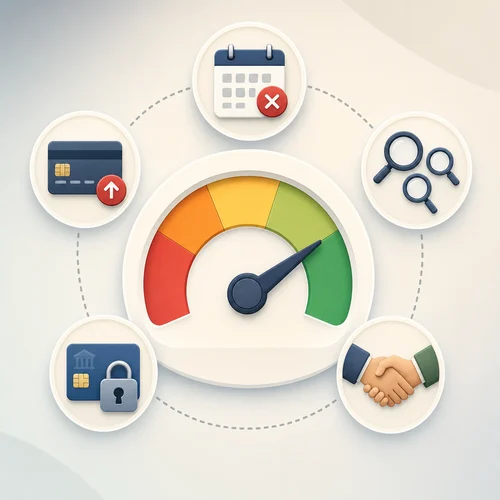
If you have missed payments, defaults, frequent credit applications or other credit issues, you may be asked for more information. This does not automatically mean a debt consolidation loan is unavailable, but it may affect lender choice, interest rates, fees, loan amount or whether the application proceeds.
It may help to gather information about:
- which debts are up to date and which are overdue;
- any repayment arrangements already in place;
- the reasons for past missed payments, if relevant;
- whether your income or expenses have recently changed;
- steps you have taken to improve account conduct.
If you are currently struggling to meet essential repayments, another loan may not be the right next step. You may need to consider hardship assistance, speaking with creditors or getting independent financial counselling before applying for more credit.
How brokers may use your application information
A broker may help you understand what information is likely to be needed, identify potential lender requirements and organise an application. They may also help explain why certain documents are requested. However, a broker cannot guarantee that a lender will approve an application or offer a particular rate or loan amount.
If you choose to work with a broker, ask how your documents will be handled, which lenders may receive your information, whether there are fees, and what happens if your application does not proceed. You can learn more about broker support through the brokers page.
How to prepare before applying
Before making a debt consolidation application, consider taking the following practical steps:
- List all debts. Include balances, repayments, interest rates and fees where known.
- Check recent statements. Use current figures rather than estimates from memory.
- Review your budget. Work out what you can realistically afford after essential living costs.
- Gather income evidence. Download payslips, bank statements or business records that may be requested.
- Check your credit report. This can help you identify errors or understand what lenders may see.
- Avoid rushed applications. Submitting multiple applications in a short period can affect your credit file and may not improve your chances.
- Ask questions early. If you are unsure why a document is needed, ask before submitting sensitive information.
What if you do not have a requested document?
If you cannot provide a requested document, do not assume the application must stop. Ask whether an alternative document is acceptable. For example, a provider may accept different evidence depending on the reason the document is unavailable and the type of information it needs to verify.
Be upfront if your records are incomplete, your income is irregular or your current debts are difficult to confirm. The lender, broker or provider can then explain whether the application can proceed and what alternatives may be available.
Privacy and document safety
Debt consolidation applications often involve sensitive financial and identity documents. Before sharing information, check who you are dealing with and how your documents will be stored, used and disclosed. Avoid sending documents to unverified contacts or responding to unsolicited messages asking for banking details.
Keep copies of what you submit and note when you submitted them. If you decide not to proceed, ask the provider how your personal information will be handled in line with its privacy policy.
The bottom line
The documents for a debt consolidation loan in Australia usually relate to your identity, income, bank account conduct, current debts, expenses and overall financial position. Preparing these details before applying can make the process clearer and may help you understand whether consolidation is a practical option for your situation.
Requirements vary between lenders and brokers, and approval, rates, fees and loan terms depend on individual circumstances and provider criteria. If your debts are already unmanageable, consider seeking independent support before taking on new credit.