Truck loan interest rates and repayments are shaped by more than the advertised rate. The amount you borrow, the truck you choose, your business profile, loan term, deposit, balloon payment and fees can all affect the total cost of finance.
If you are comparing truck loan finance for a new purchase, replacement vehicle or fleet expansion, understanding these cost factors can help you estimate repayments more realistically before you apply. This article provides general information only and does not take your business objectives, financial situation or needs into account.
The main factors that affect truck loan repayments
Your truck loan repayment is usually influenced by a combination of:
- Loan amount: The price of the truck, less any deposit or trade-in, plus any financed fees, accessories or on-road costs.
- Interest rate: The rate applied by the lender based on its assessment of risk and product type.
- Loan term: The length of time you take to repay the finance.
- Repayment frequency: Whether repayments are weekly, fortnightly or monthly.
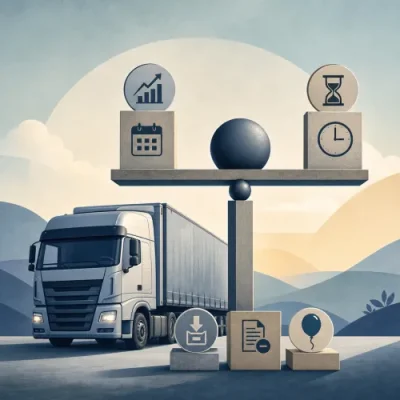
- Balloon or residual payment: A larger final payment that can reduce regular repayments but increases the amount due at the end.
- Fees and charges: Upfront, ongoing, late payment or early payout costs may apply depending on the lender and product.
- Truck age and condition: Newer, lower-risk assets may be assessed differently from older or highly specialised trucks.
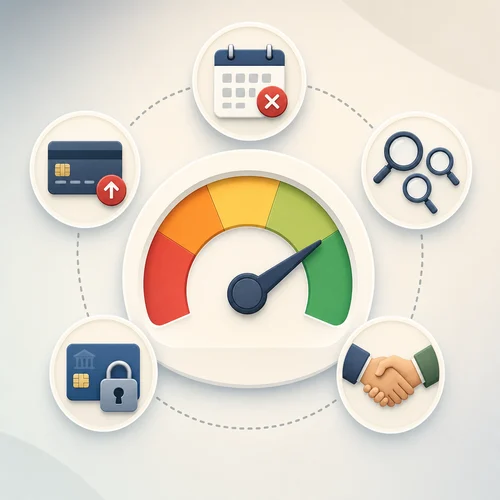
- Business and credit profile: Lenders consider your trading history, cash flow, credit history and ability to service repayments.
Because lenders assess applications differently, two businesses seeking the same truck may receive different finance offers.
Interest rate versus total cost
The interest rate is important, but it is not the whole cost of a commercial truck loan. A loan with a lower advertised rate may still cost more overall if it has higher fees, a longer term or a large balloon payment that is not planned for.
When comparing truck finance rates, it can help to look at:
- the amount borrowed;
- the interest rate and whether it is fixed or variable;
- all establishment, account keeping, documentation or settlement fees that apply;
- the repayment amount and frequency;
- the total amount payable over the full loan term;
- any balloon or residual amount due at the end;
- early repayment, variation or exit costs; and
- whether the finance structure suits expected business cash flow.
For business finance, fee structures and disclosure documents can vary by lender and product. It is worth asking for a breakdown of the total amount payable, not just the periodic repayment.
How your business profile can influence truck finance rates
Lenders usually assess whether the business appears able to meet repayments over the proposed loan term. This does not mean every lender uses the same criteria, but common assessment areas include:
- Trading history: Established businesses may be able to provide financial statements, BAS records or bank statements that show revenue and operating patterns.
- Cash flow: Lenders may consider whether income is consistent enough to support repayments, especially for seasonal freight, construction, agriculture or contract-based work.
- Credit history: A borrower's personal and business credit conduct can affect approval, pricing and loan conditions.
- Existing debts: Other vehicle loans, equipment finance, overdrafts or tax debts may influence serviceability.
- Industry and contract stability: Some lenders may consider the type of work the truck will perform, the strength of contracts and the predictability of revenue.
- Documentation level: Low doc applications may be available in some circumstances, but pricing and conditions depend on lender policy and the evidence provided.
If you are unsure how different lenders may view your situation, truck loan brokers may be able to explain available pathways across different providers. Outcomes still depend on lender criteria, assessment and your circumstances.
How the truck itself affects loan cost
The truck is usually a key part of the lender's security assessment. A finance provider may consider the truck's age, value, use, condition and resale prospects when setting terms.
New versus used trucks
A new truck may have a clearer valuation, manufacturer warranty and longer expected working life. A used truck may cost less to buy, but age, kilometres, maintenance history and expected resale value can affect how a lender views the asset.
That does not mean a new truck is always cheaper to finance overall. A new vehicle may have a higher purchase price, which can increase the amount borrowed. A used truck may have a lower upfront cost but could attract different terms or require more due diligence. The right comparison depends on the vehicle, business use and finance structure.
Specialised or modified trucks
Prime movers, tippers, refrigerated trucks, crane trucks, tankers and other specialised vehicles may be assessed differently from standard vehicles. Modifications, body fit-outs or industry-specific equipment can affect valuation and resale assumptions.
If extras are being financed, ask whether they are included in the secured asset value or treated separately. This can influence the deposit required, amount financed and repayment estimate.
Deposit, trade-in and loan-to-value ratio
A deposit or trade-in reduces the amount you need to borrow. This can lower repayments and may reduce total interest paid because interest is calculated on a smaller financed amount.
Lenders may also consider the loan-to-value ratio, which compares the loan amount with the truck's value. A lower loan-to-value ratio may reduce lender risk, while a higher ratio may require stronger serviceability or different conditions. The effect varies by lender and product.
Before using all available cash as a deposit, consider whether your business also needs working capital for registration, insurance, fuel, maintenance, tyres, wages, tolls and unexpected downtime. A lower repayment is useful only if the business remains adequately funded for daily operations.
Loan term: lower repayments can mean higher total interest
The loan term has a direct effect on truck loan repayments. A longer term usually spreads the principal over more repayments, which can reduce each repayment amount. However, it may also increase total interest paid over the life of the loan.
A shorter term may increase regular repayments but can reduce total interest, provided the business can comfortably service the higher payment.
| Loan term choice | Possible repayment effect | Possible total cost effect |
|---|---|---|
| Shorter term | Higher regular repayments | May reduce total interest if paid as agreed |
| Longer term | Lower regular repayments | May increase total interest over the loan life |
| Term matched to truck use | Repayments aligned with expected earning life | Can help avoid paying for an asset after it is no longer productive |
It can be useful to think about how long the truck is expected to remain productive in your business. Financing an older or heavily used truck over a long term may create maintenance and resale risks if the vehicle's earning capacity declines before the loan is repaid.
Balloon payments and residual values
A balloon payment, sometimes called a residual, is a lump sum due at the end of the loan term. It can reduce regular repayments because part of the principal is deferred until the final payment.
However, a balloon does not remove the cost. It changes the timing of the cost. At the end of the term, the business may need to pay the balloon, refinance it, sell or trade the truck, or use another strategy depending on the finance contract and lender policy.
When considering a balloon payment, ask:
- How much will still be owed at the end of the term?
- Is the expected truck value likely to support the planned exit strategy?
- What happens if the truck has higher kilometres, wear or repair costs than expected?
- Will the business have enough cash flow to meet or refinance the final payment?
- Are there fees or conditions for early payout, refinance or contract changes?
A balloon can be helpful for managing cash flow, but it should be planned carefully because it affects the total borrowing structure.
Fixed and variable truck finance rates
Truck finance may be offered with fixed or variable pricing depending on the lender and product. A fixed rate generally means repayments are more predictable during the fixed period. A variable rate may change if the lender's pricing changes, which can affect repayments and total interest.
Neither structure is automatically better for every business. The choice depends on factors such as cash flow certainty, tolerance for rate changes, contract terms and any costs associated with early repayment or changes to the loan.
Repayment frequency and cash flow timing
Repayment frequency can influence how comfortably a loan fits into business cash flow. Some operators prefer repayments that align with weekly or fortnightly freight payments. Others prefer monthly repayments to match accounting cycles or customer payment terms.
When estimating truck loan repayments, consider not only the amount but also the timing. A repayment that looks affordable on an annual basis may still create pressure if customer invoices are paid later than loan repayments fall due.
Questions to consider include:
- When does the business usually receive income?
- Are contracts seasonal or project-based?
- How often are fuel, insurance, wages and maintenance costs paid?
- Is there a cash buffer for unexpected repairs or downtime?
- Could repayment timing create pressure before customers pay invoices?
Fees, charges and other commercial truck loan costs
Fees can make a meaningful difference to commercial truck loan costs. The types of fees depend on the lender and product, so borrowers should review the contract and ask questions before proceeding.
Common cost categories may include:
- application or establishment fees;
- documentation or settlement fees;
- broker or introducer fees, where applicable;
- monthly account keeping fees;
- late payment or dishonour fees;
- early payout or break costs;
- security registration or asset-related charges; and
- costs connected with insurance, registration, inspection or valuation where required.
Some costs may be paid upfront, while others may be included in the loan amount. Financing fees can increase repayments and total interest because the financed balance is higher.
Using a truck loan calculator carefully
A truck loan calculator can be useful for testing different scenarios before applying. For example, you can compare how repayments may change if you adjust the loan amount, term, interest rate or balloon payment.
Calculators are estimates only. They may not include all fees, lender-specific conditions, taxes, insurance, maintenance or changes to business cash flow. The result should be treated as a planning guide, not a finance offer or approval.
To get more value from repayment estimates, try modelling several scenarios:
- a lower and higher interest rate range;
- shorter and longer loan terms;
- with and without a balloon payment;
- different deposit or trade-in amounts;
- weekly, fortnightly and monthly repayment timing; and
- a conservative revenue scenario that allows for downtime or delayed customer payments.
Questions to ask before applying
Before committing to a truck loan, it can help to ask the lender or broker clear questions about rate, repayment and total cost.
- What interest rate applies, and is it fixed or variable?
- What fees are payable upfront, during the loan and at payout?
- What is the total amount payable if the loan runs for the full term?
- Is there a balloon payment, and what options exist at the end of the term?
- Can repayments be aligned with business cash flow?
- What happens if the truck is sold, upgraded or paid out early?
- Are there restrictions on vehicle age, kilometres, modifications or private sales?
- What documents are needed to assess the application?
- How will the lender assess serviceability?
- What are the consequences of missed or late repayments?
Bringing the cost factors together
The cost of a truck loan is not determined by one factor. Interest rate, loan amount, term, deposit, balloon payment, fees, truck type, business history and cash flow all interact.
A realistic repayment estimate should consider both affordability today and the truck's ability to generate income over the loan term. Before applying, compare the total cost, understand the repayment structure and consider whether the finance arrangement leaves enough room for operating expenses, maintenance and unexpected changes.
Truck finance outcomes depend on individual circumstances, lender criteria and the finance product selected. If you need guidance specific to your business, consider seeking professional financial, tax or accounting advice before entering into a loan contract.