A debt consolidation personal loan is used to pay out two or more existing debts and replace them with one new loan repayment. In Australia, borrowers commonly consider this option when they have credit cards, smaller personal loans, store finance or other unsecured debts that are becoming difficult to track.
Consolidation may make debt easier to organise, but it does not remove the debt. It changes the structure, interest rate, term and repayment arrangement. Whether it reduces your total cost or improves your position depends on the loan offered, the debts being paid out, fees, repayment term and your spending habits after consolidation.
How a debt consolidation personal loan works
With a debt consolidation personal loan, you apply for a new loan large enough to pay out selected existing debts. If approved, the new loan funds are used to clear those balances. Depending on the lender and loan arrangement, funds may be paid directly to your existing credit providers or deposited into your account so you can make the repayments yourself.
After the debts are paid out, you repay the new personal loan under its own contract. This may involve fixed or variable interest, weekly, fortnightly or monthly repayments, and a set loan term. Many consolidation loans are unsecured, although some borrowers may consider secured personal loans depending on the lender, amount and circumstances.
If you are in the process of comparing personal loan options for debt consolidation, focus on the full repayment picture rather than only the advertised interest rate. Lender approval, loan amount, rate, fees and conditions will depend on your circumstances and the provider's assessment criteria.
What debts can you consolidate?
The debts that can be consolidated vary by lender. Common examples may include:
- credit card balances;
- existing unsecured personal loans;
- store cards or retail finance;
- medical, education or household expense debts where eligible;
- some buy now, pay later balances, depending on the lender and product;
- small debts owed to multiple providers.
Some debts may not be suitable or allowed for consolidation. For example, a secured car loan may have early payout costs or require the security arrangement to be released. Tax debts, business debts, payday loans, overdue accounts or debts already subject to hardship arrangements may need more careful consideration.
Before applying, ask the lender or broker which debts can be included, whether direct payout is available and whether any existing provider will charge early repayment, break, exit or account closure fees.
Why borrowers consider consolidating debt in Australia
Borrowers usually consider debt consolidation for practical reasons rather than because it is a perfect solution. Potential advantages may include:
- One repayment to manage: Instead of tracking several payment dates, you may have one scheduled repayment.
- A clearer end date: A personal loan usually has a defined loan term, unlike a credit card balance that can continue if only minimum repayments are made.
- Possible interest savings: If the new loan has a lower overall cost than the debts being paid out, consolidation may reduce interest. This is not guaranteed.
- Simpler budgeting: A structured repayment can make it easier to plan cash flow.
- Reduced reliance on revolving credit: Consolidating credit card debt may help if you also reduce or close card limits and avoid building the balance again.
A potential perceived benefit is often control and clarity. However, consolidation can also increase total cost if the loan term is too long, fees are high or the borrower continues using the old credit facilities.
Debt consolidation personal loan risks to consider
A consolidation loan can look appealing if the new repayment is lower than your current combined repayments. But a lower repayment does not always mean a cheaper loan.
Extending the term can increase total interest
If you stretch the debt over a longer term, the regular repayment may fall, but you may pay interest for longer. This can increase the total amount repaid even if the interest rate is lower than one or more of your current debts.
Fees can reduce or remove the benefit
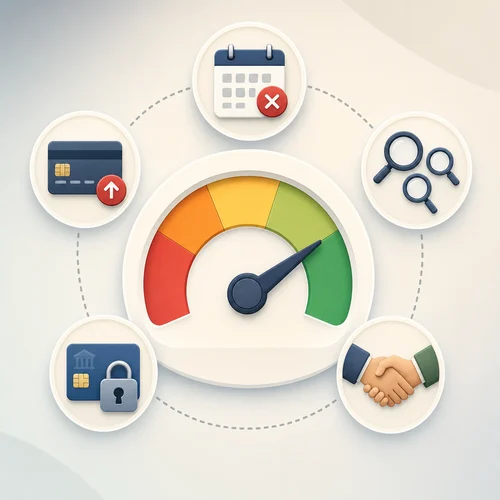
Common costs to check include establishment fees, monthly fees, early repayment fees, redraw fees, late payment fees and payout fees on debts you are closing. For more detail on how these costs affect borrowing, see our guide to interest rates, comparison rates and fees.
Credit cards may stay open unless you close or reduce them
Using a personal loan to pay off credit card balances does not automatically close the cards. If the credit limits remain available, there is a risk of building new card debt while also repaying the consolidation loan. Keeping high unused limits may also affect how future lenders assess your commitments.
Missed repayments can still affect your credit file
Consolidating debt does not erase repayment history. If you miss repayments on the new loan, you may face fees, collection activity and possible credit reporting impacts. If you are already struggling to make repayments, speak with your current lenders about hardship options before taking on a new loan.
How credit cards interact with debt consolidation
Credit card debt is a common reason people consider consolidation because card balances can be expensive and hard to reduce if only minimum repayments are made. A personal loan can turn that balance into scheduled instalments over a set term.
However, there are several points to check:
- Balance transfer versus personal loan: A balance transfer credit card and a personal loan work differently. A balance transfer may offer a promotional period, while a personal loan usually has structured repayments over the full term. The better option depends on your repayment capacity, fees and discipline.
- Interest-free days: If you continue using a credit card after consolidating, understand how interest-free days work and whether existing balances affect them.
- Credit limits: Paying off a card does not necessarily reduce your available credit. You may need to request a lower limit or close the account if that supports your debt plan.
- Spending behaviour: Consolidation is less effective if the original cause of the debt is not addressed.
What to compare before applying
Before you apply for a personal loan for debt consolidation, compare the new loan against your existing debts using the total amount repayable, not just the repayment amount.
| Factor | What to check |
|---|---|
| Current debts | Balances, interest rates, minimum repayments, fees and payout costs. |
| New loan rate | Whether the rate is fixed or variable and how it compares with your existing debts. |
| Comparison rate | A guide that includes some fees and charges, but not every possible cost. |
| Loan term | Whether the term reduces pressure without increasing total interest unnecessarily. |
| Upfront and ongoing fees | Application, establishment, monthly, annual or early repayment fees. |
| Repayment flexibility | Whether extra repayments, redraw or early payout are allowed and whether fees apply. |
| Old account management | Whether you will close, reduce or keep paid-off credit cards and facilities. |
A loan calculator can help estimate repayments under different loan amounts, terms and interest assumptions. Calculator results are estimates only and should be checked against the actual loan contract before you proceed.
Steps to consolidate debt with a personal loan
- List every debt you want to consolidate. Include the balance, rate, repayment, due date, fees and whether the account is secured or unsecured.
- Work out the total payout amount. Ask existing providers for payout figures if needed, especially where interest, fees or early repayment charges may apply.
- Check your budget. Make sure the new repayment is affordable alongside rent or mortgage payments, living costs, insurance, utilities and savings for unexpected expenses.
- Compare loan offers carefully. Consider interest, comparison rate, fees, loan term, repayment frequency and flexibility.
- Apply with accurate information. Lenders commonly assess income, expenses, existing debts, credit history and the purpose of the loan.
- Pay out the selected debts. Confirm whether the lender will pay creditors directly or whether you must make the payments yourself.
- Confirm accounts are cleared. Check statements to ensure balances are zero and no residual interest or fees remain.
- Decide what to do with old credit facilities. Consider whether to close, reduce or keep accounts, based on your broader financial goals and repayment discipline.
- Track the new loan. Set reminders or automatic repayments and review your budget regularly.
When consolidation may not be suitable
Debt consolidation may not be appropriate if it masks a deeper cash flow problem. It can also be risky if you are using new credit to manage repayments you cannot afford, or if you are likely to spend again on paid-off credit cards.
You may need to consider other options first if:
- you are behind on repayments or receiving collection notices;
- your income has recently fallen or is uncertain;
- you cannot meet essential living costs;
- the new loan term would significantly increase the total amount repayable;
- fees outweigh any likely benefit;
- you are consolidating repeatedly without reducing overall debt.
If you are experiencing financial hardship, contact your lenders early and ask about hardship assistance. Free financial counselling may also be available in Australia for people who need help understanding debt options.
Questions to ask before accepting a debt consolidation loan
- What is the total amount I will repay over the full loan term?
- Does the repayment fit my realistic budget, not just my ideal budget?
- Are there establishment, monthly, early repayment or late payment fees?
- Will the lender pay my existing creditors directly?
- Are all debts eligible to be consolidated?
- What happens if I want to make extra repayments?
- Will I close or reduce my old credit card limits after payout?
- Could a shorter term save interest while still being affordable?
- What happens if my income or expenses change?
Final Thoughts
A debt consolidation personal loan can combine multiple debts into one repayment and may make budgeting easier. It may also reduce interest in some cases, but this depends on the rate, fees, loan term and how you manage old credit facilities after consolidation.
Before applying, compare the total cost of your existing debts with the total cost of the proposed new loan. If the main issue is affordability or hardship, speak with your current lenders or seek independent support before taking on new credit.