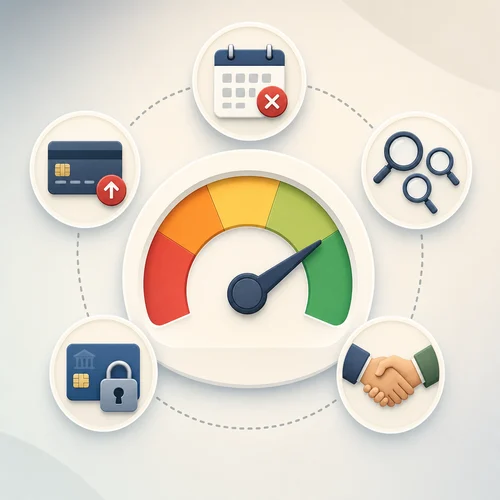
Personal loans in Australia are a common way to borrow a set amount of money for personal purposes, then repay it over an agreed term. They can be used for expenses such as home improvements, medical or dental costs, travel, weddings, debt consolidation, vehicles or other large purchases.
Before applying, it is worth understanding how personal loans work, what lenders assess, how repayments are calculated and what costs may apply. This article provides general information only. It does not take your personal objectives, financial situation or needs into account.
What is a personal loan?
A personal loan is a credit product where a lender gives you access to a lump sum, which you repay through regular instalments. The repayments usually include both the amount borrowed, known as the principal, and interest charged by the lender.
Personal loans Australia-wide are offered by banks, credit unions, non-bank lenders and online lenders. The exact loan amount, interest rate, fees, term and eligibility requirements vary by provider and by your individual circumstances.
At Internet Loans Australia, personal loans sit alongside business loans as part of the broader lending options Australians may research before deciding whether to apply.
Secured and unsecured personal loans
One of the first distinctions to understand is whether a loan is secured or unsecured.
| Loan type | How it works | Common considerations |
|---|---|---|
| Unsecured personal loan | The loan is not tied to a specific asset as security. | The lender relies heavily on your income, expenses, credit history and ability to repay. Interest rates may be higher than secured loans because the lender has no specific asset security. |
| Secured personal loan | The loan is backed by an asset, such as a vehicle or other acceptable security. | The lender may be able to repossess or sell the secured asset if you default, subject to the loan contract and applicable law. Rates may be lower than unsecured options, but this is not guaranteed. |
Secured personal loans are often used for vehicle finance, while unsecured personal loans may be used for a wider range of expenses. Not every lender accepts the same types of security, and conditions can vary significantly.
How personal loan repayments work
Personal loan repayments are usually made weekly, fortnightly or monthly. The repayment amount is influenced by several factors:
- Loan amount: borrowing more generally increases the repayment and total interest payable.
- Interest rate: a higher rate increases the cost of borrowing.
- Loan term: a longer term can reduce each repayment but may increase total interest paid over the life of the loan.
- Fees: establishment, monthly, annual, late payment or early repayment fees can affect the total cost.
- Repayment frequency: the timing of repayments can influence budgeting and, depending on the loan structure, total interest.
Using loan calculators can help you test different loan amounts, terms and repayment frequencies before you apply. A calculator is only an estimate, and your actual repayments depend on the lender's assessment, final contract terms and any fees that apply.
Fixed and variable interest rates
Personal loans may have fixed or variable interest rates.
- Fixed rate: the interest rate is set for the agreed loan term, so scheduled repayments are usually predictable. Check whether extra repayments, redraw or early payout fees apply.
- Variable rate: the interest rate may move up or down during the loan term. This can change your repayments or total interest cost, depending on the lender's terms.
Some lenders advertise an interest rate and a comparison rate. A comparison rate is designed to help consumers compare the cost of credit by including the interest rate and certain fees based on a specified loan amount and term. It may not include every possible cost, so it should be read together with the loan's full terms and conditions.
Common personal loan fees
Fees vary between lenders and products. When comparing personal loan fees, look beyond the headline interest rate and check the full cost of the loan. Common fees may include:
- Application or establishment fee: charged when the loan is set up.
- Ongoing account fee: charged monthly or annually while the loan is active.
- Late payment fee: charged if a repayment is missed or made late.
- Early repayment or break fee: may apply if you pay out a fixed-rate loan early or make additional repayments beyond what the lender allows.
- Redraw fee: may apply if the loan allows you to withdraw extra repayments you have made.
Not every loan has every fee. Some lenders may promote low or no certain fees, but the interest rate or other conditions may differ. Comparing the total cost over your intended loan term is usually more useful than looking at one feature in isolation.
What lenders assess before approving a personal loan
When you apply for a personal loan, the lender will assess whether you meet its eligibility criteria and whether the loan is suitable for your ability to repay. The details vary by lender, but the assessment commonly includes:
- Identity and residency information: such as proof of identity and Australian address details.
- Income: including employment income, self-employment income, benefits or other income sources accepted by the lender.
- Employment or business stability: lenders may consider how consistent your income is.
- Expenses: including rent or mortgage payments, living costs, dependants and existing financial commitments.
- Existing debts: such as credit cards, buy now pay later balances, car loans or other personal loans.
- Credit history: including your repayment history, credit enquiries and any defaults or serious credit events.
- Purpose of the loan: some lenders ask how the funds will be used and may restrict certain purposes.
- Security: for a secured loan, the lender may assess the asset being used as security.
Approval is not automatic. Your application outcome, rate and conditions depend on your circumstances, the lender's criteria and the information you provide.
Documents you may need for an application
The documents requested can differ by lender and borrower type. You may be asked for:
- proof of identity;
- recent payslips or income statements;
- bank statements;
- details of existing debts and credit limits;
- employment details;
- proof of address;
- vehicle or asset details if the loan is secured; and
- additional documents if you are self-employed or have variable income.
Providing accurate information matters. Incomplete or inconsistent documents can slow down an application, and inaccurate information may affect the lender's decision.
What can a personal loan be used for?
Personal loan uses differ by lender, but common purposes include:
- consolidating multiple debts into one repayment;
- buying a car, motorcycle, caravan or boat;
- funding home renovations or repairs;
- paying for medical, dental or education expenses;
- covering wedding, travel or family costs; and
- paying for large one-off purchases.
Debt consolidation can simplify repayments, but it is not automatically cheaper or better. If you extend the loan term, continue using paid-off credit cards or pay extra fees, the total cost may increase. Vehicle loans and other secured loans also need careful review because the asset may be at risk if repayments are not made.
Risks and responsibilities of taking out a personal loan
A personal loan is a legal commitment. Before applying, consider whether the repayments fit comfortably within your budget, including if your income drops or expenses rise.
Key risks include:
- Over-borrowing: borrowing more than you need can increase repayments and total interest.
- Repayment stress: missed payments may lead to fees, default notices and negative credit reporting.
- Asset risk: with a secured loan, the secured asset may be at risk if you do not meet the contract terms.
- Longer-term cost: a lower repayment over a longer term may cost more overall.
- Debt cycle risk: using a personal loan to repay other debt without changing spending habits can lead to further borrowing.
If you are already struggling with repayments or essential bills, consider speaking with your lender early. You may also wish to seek independent financial counselling or professional advice appropriate to your circumstances.
How to compare personal loans
When comparing personal loans, it can help to look at the whole product rather than focusing only on the advertised rate. Consider:
- the interest rate and comparison rate;
- the total amount repayable over the full term;
- upfront and ongoing fees;
- whether the loan is secured or unsecured;
- fixed versus variable rate features;
- minimum and maximum loan amounts;
- available loan terms;
- whether extra repayments are allowed;
- whether redraw is available and whether fees apply;
- early payout conditions;
- eligibility criteria; and
- customer support and digital account management options.
If you are unsure how different personal loan options may apply to your situation, you may want to review available brokers or speak with a suitably qualified professional. A broker or adviser may be able to explain options, but any recommendation should still be assessed carefully against your own needs and the costs involved.
Questions to ask before applying
Before you submit a personal loan application, ask yourself:
- Do I need to borrow this amount, or can I reduce the loan size?
- Can I afford the repayments if my income changes or expenses rise?
- What is the total cost of the loan, including fees?
- Is a secured or unsecured loan more appropriate for the purpose?
- Would a shorter term reduce interest, and can I manage the higher repayment?
- Are there penalties or limits on extra repayments?
- Have I compared the contract terms, not just the advertised rate?
- Could another option, such as saving for longer or using existing funds, be more suitable?
The bottom line
Personal loans can be useful when they are matched to a clear purpose, affordable repayment plan and suitable loan structure. The main things to understand are the difference between secured and unsecured loans, how repayments and interest work, which fees apply and how the loan affects your broader financial position.
Taking time to compare personal loans, estimate repayments and read the loan contract carefully can help you make a more informed decision. The right approach depends on your circumstances, the lender's criteria and the terms actually offered to you.