Farm machinery finance for livestock operations
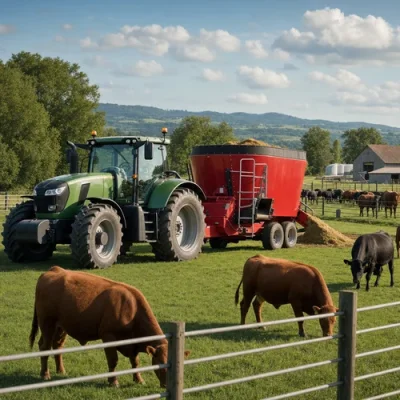
Livestock farms often rely on specialised equipment to manage animals, feed, pasture, fencing, water access and transport. The type of machinery required can vary significantly depending on the size of the operation, the livestock being managed and the farm's seasonal workload.
Farm machinery finance is a funding option that may allow eligible livestock farmers to acquire equipment while spreading the cost over time. This article provides general information about common finance structures, equipment types and factors to consider when comparing farm machinery finance options in Australia.
Livestock equipment commonly financed
Machinery used in livestock farming can support feeding, animal handling, property maintenance, transport and general farm operations. Equipment that may be relevant to livestock businesses includes:
- tractors and utility vehicles used for general farm work;
- feed mixers and feeding systems;
- hay balers and equipment used in fodder preparation;
- livestock trailers for transporting animals or farm materials;
- cattle handling equipment and other animal management systems;
- fencing machinery and equipment used for property maintenance;
- water systems and related infrastructure equipment; and
- machinery used for manure handling and day-to-day livestock operation management.
The appropriate finance structure for any item will depend on the equipment, the borrower's circumstances, the lender's criteria and the intended use of the machinery.
Common farm machinery finance options
Several finance products may be available for farm machinery purchases. The structure, ownership position, repayment terms and tax treatment can differ between products, so borrowers should review the terms carefully and seek professional advice where needed.
Chattel mortgages
A chattel mortgage generally allows the farmer to take ownership of the equipment from the outset, while the lender takes security over the asset. Repayments may be structured to align with cash flow, depending on the lender and the finance arrangement.
Depending on individual circumstances and applicable tax laws, there may be taxation implications, including potential GST or deduction considerations. Farmers should seek independent tax advice to understand how these matters may apply to their situation.
Hire purchase agreements
A hire purchase arrangement may allow a farmer to use machinery while paying for it over an agreed term. These agreements may include fixed interest rates and predictable repayment schedules, depending on the product and lender.
This structure may suit some borrowers who prefer to spread the cost of machinery rather than paying the full purchase price upfront. The suitability of any hire purchase agreement will depend on the terms and the farmer's financial circumstances.
Finance leases and equipment leasing
Finance leases may provide access to equipment without immediate ownership. Some lease arrangements may include an option to purchase the equipment at the end of the lease period, depending on the agreement.
Leasing may be considered by farmers who want flexibility to access newer equipment over time. However, responsibilities, end-of-term options and total costs can vary, so the agreement should be reviewed closely.
Low-doc finance
Low-doc loans may be available for eligible borrowers in some circumstances. These products still involve lender assessment and are subject to the lender's criteria. Farmers considering this type of finance should understand what documents are required and how the product's costs and conditions compare with other options.
Potential benefits of financing livestock machinery
Financing farm machinery may support some livestock businesses by allowing equipment costs to be spread over time. The benefits of any arrangement will depend on the borrower's circumstances, the product selected and the terms offered by the lender.
Preserving working capital
Purchasing livestock equipment outright can require a substantial upfront cost. Finance may help some farmers preserve cash flow by replacing a large single payment with scheduled repayments. This may allow working capital to remain available for other business expenses such as feed, labour, animal health costs or unexpected repairs.
Cash-flow flexibility can be particularly relevant in agricultural businesses where income and expenses may be influenced by seasonal and market conditions.
Managing tax considerations
Depending on the finance product and the borrower's circumstances, farm machinery finance may have taxation implications. Some borrowers may be eligible to claim certain deductions or access concessions under Australian tax laws.
Any potential tax outcome should be considered alongside the total cost and obligations of the finance arrangement. Farmers should seek independent tax advice before relying on any potential tax benefit.
Accessing newer or replacement equipment
Some finance arrangements may provide flexibility to update or replace machinery as business requirements change. For livestock farms, this may be relevant where machinery is central to feeding systems, handling processes, water management or transport.
Whether this approach is suitable depends on the farm's operating needs and the specific finance terms available.
What to compare before choosing a loan
When comparing farm machinery finance, borrowers may wish to assess the full finance arrangement rather than focusing only on the headline interest rate.
Interest rates and loan terms
Interest rates can affect the overall cost of borrowing. Even small differences in rates may change the total amount payable over the life of the loan.
The loan term is also important because it can influence both regular repayments and the total interest paid. A longer term may reduce individual repayment amounts but may increase the total cost, depending on the structure and rate. A shorter term may increase repayments but reduce the time over which interest is charged.
Repayment schedules
Some livestock farmers may prefer repayment arrangements that align with seasonal income patterns, where available. Depending on the lender, repayment options may be structured to better reflect agricultural cash-flow cycles.
Borrowers may also wish to compare fixed and variable repayment arrangements. The most appropriate option will depend on individual financial objectives, business requirements and the terms offered.
Fees and total finance cost
The overall cost of finance may include the principal amount, interest charges and any applicable fees. Borrowers should review establishment fees, ongoing account fees, early repayment costs and any other charges disclosed in the finance agreement.
Estimating repayments can help borrowers compare different terms and structures. A dedicated farm equipment finance calculator may assist with modelling repayments, deposits, trade-ins and residual or balloon payments as part of general planning.
Lender experience and support
Farmers may wish to consider a lender's experience with agricultural finance, available product options, service standards and flexibility. Customer service may be relevant where borrowers need support during the application process or when reviewing repayment arrangements.
Some borrowers may also choose to learn about the role of finance intermediaries or professional assistance. General information about brokers and adviser support may help explain how assistance can fit into the finance process.
Steps in a farm machinery finance application
The finance application process can vary between lenders and products. However, livestock farmers generally need to understand the equipment being purchased, the finance amount required and the business's ability to meet repayment obligations.
1. Research suitable finance structures
Farmers may start by comparing finance products such as chattel mortgages, hire purchase agreements, equipment loans and leasing arrangements. Each structure may differ in ownership, repayment obligations, end-of-term options and tax treatment.
If a farmer is at the stage of comparing available options or preparing an enquiry, the website's farm machinery finance quote start page can be used as a neutral starting point for exploring options.
2. Prepare financial documents
Lenders typically request financial documents to assess the applicant's financial position and capacity to meet the proposed repayment obligations. These may include tax returns, balance sheets and profit-and-loss statements.
Providing accurate and up-to-date information may help streamline the assessment process and reduce delays caused by incomplete documentation.
3. Submit the application
After selecting a finance option and gathering the required information, the borrower can submit an application to the chosen lender. The lender will assess the application under its credit criteria.
Depending on the lender and product, there may be an opportunity to discuss repayment arrangements, loan terms or other aspects of the proposed agreement. Any finance contract should be carefully reviewed before it is accepted.
Maintaining financial health for finance applications
While approval and terms depend on lender criteria and individual circumstances, maintaining organised business records can assist when applying for finance and managing ongoing obligations.
Keep accurate financial records
Accurate records may help demonstrate the financial position of the livestock business. Regularly updating information about income, expenses and asset values can also support broader business planning.
Some farmers may choose to work with an accountant or qualified professional to help maintain financial documentation.
Manage farm assets effectively
Regularly reviewing the use and maintenance of farm assets can support operational planning. Well-maintained machinery may also help farmers understand replacement timing, repair costs and future equipment needs.
Build and monitor credit history
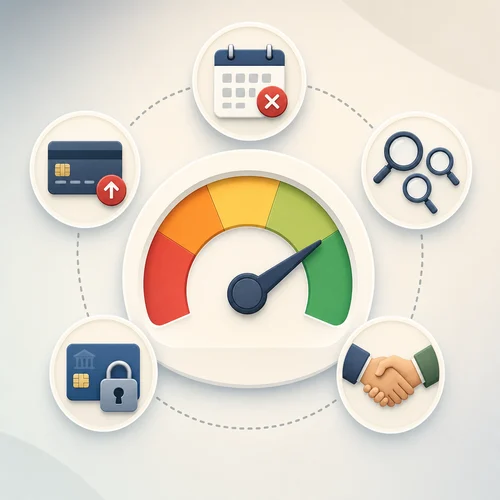
Credit history may be one of several factors considered by lenders. Meeting existing repayment obligations on time and reviewing credit information for inaccuracies may assist borrowers in maintaining a stronger finance profile.
Loan approval and finance terms will still depend on a range of factors, including the lender's criteria and the applicant's individual circumstances.
Questions livestock farmers often ask
Common questions about farm machinery finance include which products may be available, how repayments affect cash flow, what documentation is required and how credit history may influence lender assessment.
Borrowers may wish to review their current financial position before applying, compare product features and understand the costs and obligations of each arrangement. Additional farm machinery finance articles and guides may provide general educational information for further reading.
Professional advice and next steps
This guide provides general information only. It does not take into account any farmer's individual objectives, financial situation or business needs.
Livestock farmers considering machinery finance may wish to seek independent professional advice before entering into a finance arrangement. Qualified advisers can help explain how different finance options operate and how the costs, obligations and tax considerations may apply to an individual business.