Crop farm machinery finance in Australia
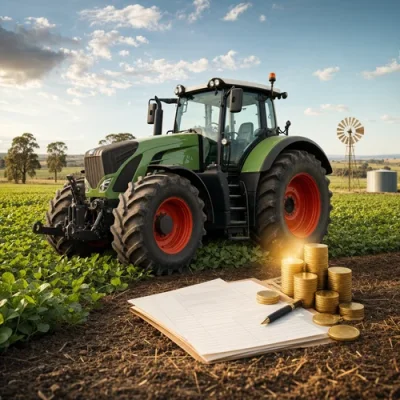
Crop farming operations rely on machinery to complete time-sensitive tasks such as ground preparation, seeding, spraying, irrigation and harvesting. Equipment such as tractors, harvesters and irrigation systems can represent a significant capital cost, so many Australian farmers consider finance as one way to fund new or replacement machinery.
Farm machinery finance may allow a farming business to acquire equipment without paying the full purchase price upfront. The structure, cost and suitability of any finance arrangement will depend on the borrower, the lender, the equipment, the repayment terms and the farm's financial position.
This information is general and educational only. It does not take into account any farm's objectives, financial situation or needs.
Why machinery finance matters for crop farming
Supporting planting and harvesting windows
Crop farming is strongly affected by seasonal timing. Delays during planting or harvest can affect operations, so access to reliable machinery is often a practical consideration for growers. Finance may be considered where a farmer needs to replace ageing equipment, add capacity or fund machinery that supports more efficient production processes.
Improving operational capability
Modern farm equipment may include features that automate, streamline or improve the accuracy of tasks across a cropping operation. Depending on the machinery and how it is used, upgraded equipment may assist with reducing downtime, managing large areas more efficiently and supporting consistent operating standards.
Managing large capital purchases
Machinery purchases can place pressure on working capital, particularly where income is seasonal or affected by market and weather conditions. A finance arrangement may spread the cost over an agreed term, although it also creates repayment obligations and may increase the total cost of acquiring the equipment through interest, fees or other charges.
Machinery commonly financed in crop farming
The equipment required will vary depending on the crop type, farm scale, location and production system. Common examples in crop farming may include:
- tractors used for cultivation, towing implements and general field work;
- harvesters and headers used during crop harvest;
- seeders, planters and other planting equipment;
- sprayers and crop management equipment;
- irrigation systems and related infrastructure; and
- replacement or upgraded machinery intended to reduce downtime or support production efficiency.
Before financing any equipment, farmers generally need to consider whether the machinery fits the farm's production cycle, cash-flow timing and expected use over the finance term.
Types of crop farm machinery finance
Different finance products may be available through banks, rural lenders, credit providers or specialised agricultural finance providers. The features and availability of each option vary, so it is important to review the terms carefully.
| Finance type | How it generally works | Key considerations |
|---|---|---|
| Operating lease | The farmer uses the machinery for an agreed period without owning it. | May suit businesses seeking flexibility or regular equipment updates, but it does not build ownership equity in the machinery. |
| Finance lease | The arrangement is structured around use of the equipment, with an option to purchase at the end of the term in some cases. | May lead to ownership depending on the agreement, but the overall cost and end-of-term obligations should be reviewed. |
| Term loan | The borrower obtains a lump sum to purchase equipment and repays the loan with interest over an agreed period. | Can support ownership from the outset or over time, depending on structure, but repayment capacity and security requirements need to be considered. |
| Hire purchase | The farmer hires the machinery while making instalment payments and generally obtains ownership after all payments are completed. | May assist with managing cash flow while working towards ownership, although total costs may be higher than the cash purchase price. |
Government grants or subsidies may be available in some circumstances, particularly where programs support new technologies or sustainable practices. Eligibility, timing and conditions vary, so farmers should check current program details before relying on this type of support.
Seasonal cash-flow considerations for crop farmers
Crop farms often incur significant costs before income is received from harvest or sale. This can make repayment timing an important part of machinery finance planning. A repayment structure that appears affordable on an annual basis may still place pressure on the business if payments fall during low-income periods.
Farmers may wish to assess:
- expected income and expenses across the planting, growing and harvest cycle;
- existing debt commitments and working capital needs;
- the effect of seasonal variability, market prices and unexpected operating costs;
- whether fixed or variable interest rates are more appropriate for their circumstances;
- the total cost of the finance arrangement, not just the repayment amount; and
- whether seasonal repayments, deferred payments or extra repayment options are available under the proposed product.
For early planning, a farmer may use a farm equipment finance calculator to estimate how deposit, trade-in, term length or residual payments could affect repayments. Calculator results are estimates only and should be checked against lender terms and the farm's own financial records.
How to compare crop machinery finance options
Comparing farm machinery finance involves more than looking at the advertised interest rate. Farmers should consider the full agreement and how it fits the operation's machinery needs and income cycle.
Interest rates and terms
A fixed interest rate can provide more predictable repayments, while a variable rate may change over time. A longer term may reduce regular repayment amounts but can increase the total interest paid across the life of the finance arrangement.
Fees and charges
Fees may include application fees, ongoing account fees, early repayment costs or other charges. These can affect the overall cost of finance, so it is useful to request a clear breakdown before entering into an agreement.
Repayment flexibility
Some finance products may offer features such as seasonal repayments, deferred payments or the ability to make extra repayments. These features may be relevant for crop farmers whose income is tied to seasonal production, but their availability depends on the lender and product.
Equipment value and lifecycle
The expected working life, maintenance requirements and future value of the machinery should be considered. Financing equipment for longer than its useful operating life may create practical and financial issues if the machine needs replacement before the finance term ends.
If a farmer is comparing available farm machinery finance options or beginning an enquiry, they can review information through the site's farm machinery finance quote start page. Any comparison should still be assessed against the farm's own circumstances and independent advice where appropriate.
Preparing a machinery finance application
The application process can vary between lenders, but farmers are commonly asked to provide information that helps the lender assess the business, the equipment and repayment capacity.
Documents commonly requested
- financial statements for the farming business;
- tax returns and related financial records;
- budgets and cash-flow forecasts;
- details of existing loans, leases or other debts;
- information about the machinery being purchased; and
- a business plan or explanation of how the equipment will be used in the cropping operation.
Application and negotiation
After researching options and gathering documents, the farmer can submit an application to the chosen lender. Depending on the lender and finance product, there may be scope to discuss the repayment schedule, interest rate, term length or other conditions. Borrowers should ask questions and make sure they understand the obligations before signing any agreement.
Using technology in finance planning
Digital platforms have changed how many farmers research and apply for finance. Online systems may allow borrowers to compare options, access product information and submit applications without relying entirely on paper-based processes or in-person meetings.
Financial management software and agriculture-focused apps may also help farmers track expenses, monitor cash flow and prepare forecasts. These tools can support more informed planning when considering whether machinery finance fits within the farm's broader budget.
Online tools are useful inputs, but they do not remove the need to verify lender terms, understand the finance contract and consider the risks of taking on new debt.
Common mistakes to avoid
Overestimating repayment capacity
Crop income may be seasonal and uncertain. Overestimating future earnings can create financial pressure if yields, prices or market conditions do not meet expectations. Reviewing historical cash flow and allowing for unexpected changes may help with more realistic planning.
Focusing only on the monthly repayment
A lower regular repayment may appear attractive, but it can sometimes reflect a longer loan term, a residual payment or higher total interest. Farmers should consider the full cost of finance over the entire agreement.
Ignoring fees and contract conditions
Application fees, account charges, early repayment costs and end-of-term conditions can affect the final cost. Borrowers should read the terms and conditions carefully and request clarification where anything is unclear.
Financing equipment without a clear operational purpose
Machinery should be assessed against the farm's production needs, expected utilisation and maintenance costs. Finance may help fund equipment, but it does not guarantee productivity gains or improved profitability.
Professional advice and support
Some farmers may choose to seek independent professional advice before entering into a machinery finance arrangement. This may include advice from an accountant, financial adviser, legal adviser or other suitably qualified professional.
Farmers who want to understand intermediary support can also read about the role of brokers in farm machinery finance. The involvement of a broker or adviser does not remove the need for the borrower to understand the product and assess whether it is appropriate for their circumstances.
Future trends in crop machinery finance
As agricultural machinery becomes more advanced, finance products may continue to evolve to reflect the lifecycle, value and technology profile of farm equipment. Digital application processes, online comparison tools and data-supported lending assessments may become more common in the machinery finance process.
For crop farmers, the core considerations remain practical: whether the machinery supports the farming operation, whether the repayment structure aligns with seasonal cash flow and whether the total cost and risks are understood before proceeding.
Making informed finance decisions
Farm machinery finance may be one way for Australian crop farmers to fund tractors, harvesters, irrigation systems and other production equipment. The most appropriate structure will depend on the farm's financial position, machinery needs, seasonal income pattern and long-term objectives.
Before committing, farmers should compare available options, review the full cost of finance, prepare realistic cash-flow forecasts and consider independent professional advice. This article provides general information only and should not be relied upon as financial or legal advice.