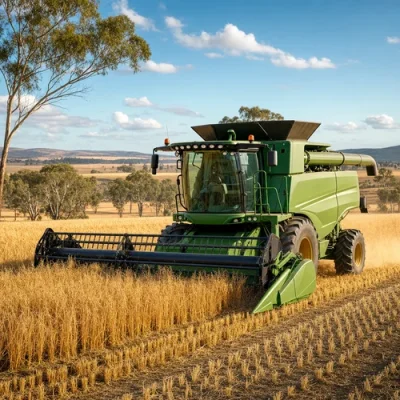
Harvesters are integral to modern farming operations. These powerful machines not only expedite the harvesting process but also improve yield quality. As crucial assets in a farmer's toolkit, the acquisition of harvesters can be a significant investment.
Harvester loans are designed to ease the financial burden of purchasing such important equipment. By spreading out the cost over time, these loans make it feasible for farmers to access the machinery they need without destabilizing their financial situation. Understanding the benefits and dynamics of harvester loans is essential for any farmer looking to invest in their future.
Understanding Harvester Loans
Harvester loans are a specialized form of financing tailored to assist farmers in acquiring harvesters, which are vital pieces of farming equipment. The primary purpose of these loans is to provide the necessary financial support to enable farmers to purchase or upgrade their harvesting machinery, thereby enhancing farm productivity and efficiency.
There are several types of harvester loans available to Australian farmers. These include fixed-rate loans, where the interest rate remains consistent throughout the loan period, and variable-rate loans, which offer a more flexible repayment structure with interest rates fluctuating based on market conditions. Additionally, there are tailored finance packages that may include seasonal repayment schedules, aligning with the farmer's cash flow and harvest cycles.
Compared to other agricultural financing options, harvester loans are specifically designed to address the unique needs and challenges of purchasing harvesters. Unlike general machinery loans or personal loans, harvester loans often have longer terms and flexible repayment options. They take into account the seasonal nature of farming and the hefty investment that harvesters represent, offering structured support to ensure financial stability for the farmer.
Benefits of Financing Farm Equipment Through Harvester Loans
When farmers opt for harvester loans to finance their equipment, they gain several advantages that can significantly benefit their agricultural operations. One of the primary benefits is the preservation of working capital. Instead of depleting cash reserves to purchase expensive machinery outright, farmers can maintain liquidity to manage other essential operations such as purchasing seeds, fertilizers, and paying labor costs.
Moreover, financing via harvester loans allows farmers to access the latest technology and state-of-the-art equipment without the need for substantial upfront payments. This ensures that they are leveraging the most efficient and effective machinery, which can lead to increased productivity and better yields. By staying current with technology, farmers can also remain competitive in the ever-evolving agricultural market.
An often-overlooked benefit of financing farm equipment through harvester loans is the potential tax benefits and deductions available. Many loan arrangements allow farmers to deduct interest payments and depreciation of equipment, providing valuable tax relief. This can lead to significant savings, further easing the financial burden and enhancing the overall viability of agricultural investments.
Steps to Secure the Right Harvester Loan
Evaluating Your Farm's Financial Needs and Goals
Before diving into the world of harvester loans, it is crucial to evaluate your farm's specific financial needs and long-term goals. Understanding the scale of your operations and the role a new harvester will play in enhancing productivity is essential. You should consider the current financial health of your farm, long-term sustainability, and potential growth to determine the exact specifications of the machinery required.
Researching and Comparing Various Loan Options
Once you have a clear picture of your financial goals, the next step is to research and compare different loan options available. Various lenders offer distinct terms and conditions, so it is vital to understand the differences in interest rates, repayment periods, and loan structures. Looking out for seasonal repayment plans or flexible terms that align with the agricultural cycles can make a significant difference in your financial planning.
Utilising Loan Calculators for Better Planning
To facilitate informed decision-making, utilising loan calculators can help you better understand the potential financial commitment involved in securing a harvester loan. These tools offer insights into monthly repayments, total interest paid over time, and how different variables, such as loan terms and interest rates, can impact your financial outlook. Armed with this knowledge, you can choose a loan that fits comfortably within your budget, thereby ensuring financial peace of mind as you invest in your farm's future.
Choosing the Right Lender for Harvester Finance
What to Look for in a Lender
Choosing the right lender is crucial when seeking finance for harvester equipment. The right lender should offer competitive interest rates and flexible repayment terms that align with your agricultural cycles. Additionally, it's important to find a lender with a strong reputation for customer service and a history of working with farmers. Look for lenders who understand the unique needs of the agricultural industry and offer dedicated support to help you navigate the complexities of harvester finance.
Benefits of Working with a Financial Broker
Working with a specialist farm finance broker can provide significant benefits when securing harvester finance. Brokers have access to a wide range of lenders and can help find the best deal tailored to your specific needs. They possess the expertise to guide you through the application process and negotiate terms on your behalf. This saves time and potentially secures better terms than if you approached lenders independently, ensuring you get the most value from your investment.
Questions to Ask Potential Lenders
Before finalizing your choice of lender, it's essential to ask the right questions. Inquire about interest rates and how they may change over time, as well as any associated fees or charges you might incur. Ask about the possibility of flexible repayment options and whether seasonal payment schedules are available to match your cash flow. Understanding the penalties for late payments or early repayment can also be critical, helping you avoid unexpected expenses and choose the best financial partner for your farming business.
Applying for a Harvester Loan: What to Expect
Required Documentation and Information
When applying for a harvester loan, it's important to gather the necessary documentation and information ahead of time to ensure a smooth process. Lenders typically require proof of income, which can include financial statements, tax returns, and bank statements. You may also need to provide details about your farm, such as acreage, crop types, and production outputs, to demonstrate the capacity to service the loan.
Additionally, having a clear business plan can help, outlining how the harvester will enhance your farm operations and impact productivity. This supports your case as a reliable borrower. Identification documents like a driver's license and any existing debt obligations should also be kept on hand, as lenders will assess your creditworthiness during the application process.
The Application Process Step-by-Step
The first step in the application process is to fill out the lender's application form, providing all requested information accurately. Next, submit the required documents for verification, after which the lender may conduct a credit check. Following this, the lender will assess your application by looking at your financial health, farm operations, and credit history.
If everything checks out, the lender will offer loan terms, which you should review carefully. Once you agree to the terms, the final step is signing the contract and receiving funds to purchase your harvester. This process can vary in duration, so ensure you discuss the timeline with your lender.
Common Challenges and How to Overcome Them
One common challenge farmers face is a lack of comprehensive documentation, which can delay the approval process. To overcome this, prepare all necessary documents in advance and maintain detailed financial records. Another challenge may be navigating fluctuating interest rates or loan terms that seem restrictive. In such cases, engaging a financial broker can be beneficial as they can negotiate on your behalf.
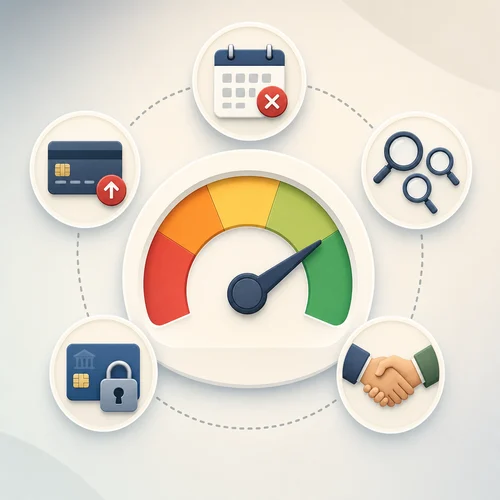
Furthermore, lenders may require a strong credit score, which some applicants find challenging. To improve your credit standing, ensure timely payments of existing debts and consider building a solid financial track record before applying. By preparing effectively and seeking advice when needed, you can navigate the application process more efficiently.
Managing Your Loan Repayments
Creating a Repayment Strategy That Works for Your Business
A well-thought-out repayment strategy is crucial for managing your harvester loan without straining your finances. Begin by developing a detailed budget that encompasses all farm expenses, including loan repayments. This allows you to anticipate monthly commitments and allocate funds accordingly.
Consider aligning your repayment schedule with your farm's cash flow. If your income is seasonal, discuss flexible repayment options with your lender that accommodate peak revenue periods. By doing so, you can ensure that payments are manageable throughout the year, preventing financial stress during leaner months.
Importance of Timely Payments and Maintaining Good Credit
Maintaining a good credit record is vital for your financial health and access to future financing. Timely repayments not only uphold your credit score but also reflect your reliability to lenders. This positive financial behaviour may open doors to better loan terms in the future.
Remember that late payments can lead to penalties, higher interest rates, and damaged credit, which can complicate future borrowing. Set up reminders or automatic payments to avoid missing deadlines and manage your loan effectively.
Exploring Refinancing Options if Needed
If you find that your current repayment terms are no longer suitable, refinancing could be a viable option. Changing market conditions or an improved financial situation might allow you to secure a more favourable loan term, lower interest rate, or different repayment structure.
Before refinancing, evaluate the costs involved and potential savings. Consult your lender or a financial adviser to ensure that refinancing aligns with your long-term financial goals and offers genuine benefits. Exploring these options can enhance your ability to manage repayments and optimize your farm’s financial performance.
Conclusion and Next Steps
As we've explored throughout this article, harvester loans play a crucial role in supporting the agricultural industry by enabling farmers to invest in essential equipment without overburdening their finances. These loans are tailored to meet the specific needs of farmers, offering flexibility and support that align with seasonal income and cash flow cycles. Whether you're looking to upgrade existing machinery or purchase new equipment, understanding and utilizing harvester loans can greatly enhance your farm’s productivity and efficiency.
Now that you're equipped with the knowledge of how harvester loans work, it's time to take the next steps toward securing the best financial option for your farming needs. Start by assessing your financial situation, evaluating the types of loans available, and considering the benefits a harvester loan could bring to your operations. The right financing can provide the leverage you need to maintain profitability and ensure long-term success.
Don't wait to enhance your farming efficiency—explore your options today! Reach out to financial lenders or consult with an experienced broker to discuss tailored loan solutions that suit your specific requirements. If you're ready to take action, get a quote or contact a broker today to begin your journey toward improved agricultural productivity and financial stability.