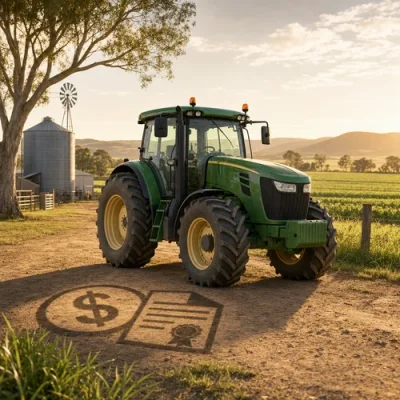
However, acquiring a tractor can be a substantial financial commitment, representing a large investment for any farming operation.
Tractor loans come into play as a crucial tool for farmers. They provide the necessary financial support to purchase or lease tractors and other essential farm equipment without burdening the cash flow or savings of a farming business.
By obtaining financing, farmers can access better technology and machinery, further enhancing their operational capabilities and business growth.
In this article, we will explore the different aspects of tractor loans, how they work, and why they are indispensable for contemporary farmers in Australia.
Why Consider a Tractor Loan?
For many farmers, purchasing a tractor outright may not be a feasible option due to the significant upfront cost. In these cases, tractor loans offer a practical financial solution. By spreading the cost over a manageable period, farmers can invest in the essential machinery needed to run an efficient and profitable operation. This financing can often be arranged quickly, allowing for immediate access to necessary equipment, which is crucial when timing is of the essence during planting or harvesting seasons.
Opting for a tractor loan also presents several benefits for farmers. Financing can provide flexibility, enabling farmers to choose from a wider range of tractor models and specifications that suit their specific needs. Additionally, the predictable repayment structure of loans helps farmers budget more effectively and maintain healthier cash flow.
When considering the choice between purchasing a tractor outright and financing it, the comparison becomes clear. While buying outright means no ongoing debt, financing preserves capital reserves for other vital farm operations, such as purchasing seeds, fertilizers, and paying labor costs. Tractor loans allow for these critical investments to occur simultaneously, avoiding the compromise of one over the other.
Ultimately, a tractor loan can be seen as an investment in long-term farm productivity and growth. By enabling access to advanced machinery today, farmers can increase yields and efficiency, setting the stage for increased profitability and sustainable farming operations in the future.
Types of Tractor Finance Options Available
When it comes to financing tractors and farm equipment, Australian farmers have several options to consider. Each option presents distinct advantages, so it's vital to understand how they work to choose the best fit for your farming needs.
Standard Tractor Loans
Standard tractor loans are a popular choice, offering straightforward financing by providing a lump sum to purchase the equipment outright. Typically, these loans come with a fixed interest rate, allowing for predictable monthly payments over the life of the loan. This predictability aids in budgeting and cash flow management.
Such loans often include terms ranging from three to seven years, and some lenders may offer flexible structures such as seasonal payments, aligning better with the farming calendar.
Leasing Options for Farm Equipment
Leasing provides an alternative to buying, allowing farmers to use the latest equipment without needing to pay the full purchase price upfront. Leasing agreements can include options such as operating leases or finance leases, depending on how you wish to account for the asset.
An operating lease typically involves lower monthly payments, with the leasing company maintaining ownership of the equipment. In contrast, a finance lease may offer an eventual purchase option, where the farmer can own the equipment at lease-end.
Hire Purchase Agreements
With a hire purchase agreement, farmers initially hire the tractor with an option to purchase it later. Payments are spread over a set period, and after the final installment, ownership is transferred to the farmer. This arrangement allows for immediate use of the equipment while also strategically managing cash flow and budgeting.
Each financing option carries its own set of conditions, benefits, and potential tax advantages, making it important to consult with financial advisors or lenders to tailor a solution that best supports your operational and financial goals.
Steps to Secure a Tractor Loan
Evaluating Your Financial Situation and Needs
Before securing a tractor loan, it's crucial to evaluate your current financial situation and future needs. This involves assessing your farm's cash flow, determining how much you can afford to borrow, and what payment structure aligns with your operational schedule. Taking the time to understand these financial metrics will help set realistic expectations and ensure that the loan terms are sustainable for your business.
Additionally, consider the specific requirements of your farm operation. What type of tractor or equipment do you need, and how will it boost productivity? Clearly defining these needs is essential when discussing financing options with potential lenders.
Researching and Comparing Loan Providers
Once you have a clear understanding of your financial situation, the next step is to research and compare different loan providers. Look into banks, credit unions, and specialized agricultural lenders. Pay attention to the interest rates they offer, loan terms, and any additional fees or insurance requirements. Gathering this information will aid in selecting a lender who offers the best terms for your needs.
It's also worth reading reviews or asking for recommendations from other farmers, which can provide insights into the customer service and reliability of various lenders.
The Application Process for Tractor Finance
After choosing a lender, the application process begins. Most lenders will require you to submit detailed financial documentation, such as tax returns, cash flow statements, and a business plan outlining how the equipment will enhance your operations. Ensure that all required documents are prepared and accurate to avoid any delays.
Your chosen lender might offer pre-approval, which can be advantageous, allowing you to know your borrowing capacity before making a purchase. Once approved, the lender will guide you through the closing process, ensuring that funds are available in time for you to acquire your tractor or farm equipment.
How to Calculate Tractor Loan Repayments
Understanding Interest Rates and Loan Terms
Calculating your tractor loan repayments begins with a firm understanding of interest rates and loan terms. Interest rates can be either fixed or variable, with fixed rates offering consistent monthly payments, while variable rates may fluctuate based on market conditions. It's crucial to evaluate which option aligns better with your financial strategy.
Loan terms typically range from a few years to a decade. Longer terms often result in lower monthly payments but could accumulate more interest over time. Weighing these factors will help you determine what commitment best suits your financial capacity and operational needs.
Using Calculators to Estimate Repayments
To effectively plan your farm's budget, using online calculators to estimate repayments can be extremely beneficial. These tools allow you to input loan specifics such as the principal amount, interest rate, and term length to calculate your monthly payments. This step helps you visualize the financial impact and make informed decisions about borrowing.
Additionally, calculators can be used to run different scenarios by adjusting variables, giving you a clearer idea of manageable repayment plans under various conditions. This proactive approach ensures that your repayment plan aligns with both your current and projected cash flow.
Factors Affecting Your Monthly Instalments
Several factors can influence your monthly instalments beyond just the loan amount and interest rate. These include any fees associated with the loan, such as origination or service charges, which can add to your overall cost. Additionally, seasonal income fluctuations typical in farming should also be considered when structuring your payment schedule.
Your credit history can also play a significant role. A strong credit score might qualify you for lower interest rates, reducing your monthly obligations, so it's wise to review your credit standing before seeking a loan.
By thoroughly understanding these factors, you can better plan your tractor loan repayment strategy, enabling you to manage your finances with greater confidence and efficiency.
Common Mistakes to Avoid When Financing a Tractor
Overlooking Hidden Fees and Charges
When financing a tractor, one of the most prevalent mistakes is overlooking hidden fees and additional charges. Many loans include costs such as administration fees, early repayment penalties, and insurance charges that can significantly increase the overall expense. Failing to account for these fees might lead to unpleasant financial surprises down the road.
To avoid this, it’s crucial to inquire about all potential fees and understand the full cost of the loan. Request a detailed breakdown from your lender and factor these into your financial planning. By doing so, you'll have a realistic view of your actual financial obligations.
Ignoring the Fine Print in Loan Agreements
Another common error is ignoring the fine print in loan agreements. The excitement of acquiring new equipment often overshadows the importance of carefully reviewing contractual terms. This inattention can lead to confusion around terms related to interest rates, repayment schedules, and default conditions.
Always take the time to thoroughly read and understand the loan agreement. If needed, seek advice from a legal or financial advisor to clarify any complex terms. This diligence can prevent misunderstandings and ensure you are fully aware of your commitments.
Underestimating Future Financial Commitments
Farmers sometimes underestimate their future financial commitments when taking out a tractor loan. This can happen if the potential for income fluctuations, increased operational costs, or unexpected financial downturns is not considered. Such oversight might stretch financial resources thin, complicating repayment.
To mitigate this risk, create a detailed forecast of your future financial landscape, factoring in variables like market conditions and potential increases in running costs. By preparing for various financial scenarios, you can choose a loan structure that accommodates not just your current, but also your future financial capabilities.
Leveraging Professional Advice for Tractor Loans
The Role of Finance Brokers in Securing the Best Deals
Navigating the world of tractor loans can be complex, and this is where finance brokers can make a significant impact. These professionals possess a deep understanding of the lending market and maintain relationships with multiple financial institutions. By leveraging their expertise, brokers can help farmers secure competitive interest rates and favourable loan terms that might not be immediately accessible to an individual borrower.
Finance brokers can negotiate on behalf of farmers, presenting their financial situation in the best possible light to lenders. This advocacy is especially beneficial for those with unique financing needs or those seeking niche lending options not commonly advertised.
When to Consider Consulting a Professional
Consulting a professional finance broker is particularly advantageous when you're unfamiliar with the lending landscape or when time constraints limit your ability to thoroughly research and compare offers. Farmers new to business or those expanding rapidly can also benefit from professional guidance, ensuring their financial strategies align with their growth objectives.
If the lending terms or products appear complex or if you're considering multiple financing options, a broker can simplify the decision process, offering tailored advice and insights to ensure the final choice aligns with your operational needs.
Resources for Finding Reputable Brokers Here
Finding a reputable finance broker requires research. Start by seeking recommendations from other farmers or industry networks. Many professional organisations, such as the Finance Brokers Association of Australia (FBAA), provide directories of certified brokers who adhere to professional standards and ethics.
Additionally, reading reviews and verifying qualifications can further ensure you select a trustworthy professional. Online resources, local farm associations, and even bank referrals can also provide reputable contacts, helping you make informed decisions about your tractor loan needs.
Final Thoughts: Making the Most of Your Tractor Investment
Maximising Return on Investment with Effective Equipment Usage
Your tractor represents a significant investment, and maximizing its return is crucial for your farm's profitability. To achieve this, ensure your equipment is optimally utilized. Regular maintenance, timely repairs, and proper training for operators can prolong the life of your tractor, improving efficiency and reducing downtime.
Implementing a schedule for preventive maintenance and inspections helps keep your equipment in peak condition, reducing the likelihood of costly breakdowns. Additionally, using the tractor for a variety of tasks, if it's designed for multipurpose use, can enhance its value and utility on your farm.
Planning for Future Growth and Equipment Upgrades
To ensure sustainable growth, align your tractor investments with your farm's long-term goals. This involves evaluating how your current machinery can support increased production and identifying when equipment upgrades are necessary. Planning for these upgrades helps manage costs and ensures that your farm operations are not disrupted.
Consider the scalability of your equipment choices. Opting for tractors and attachments that can accommodate future expansion or diversification of farm activities can provide a strategic advantage as your operations grow.
Continuous Assessment of Financial Health and Loan Performance
Regularly assessing your financial health and the performance of your tractor loan is essential for sound management. Keep track of repayments, interest rates, and any changes in your farm's financial circumstances. This vigilance helps ensure that you can meet loan obligations comfortably while maintaining a healthy cash flow.
Utilize financial metrics and performance indicators to evaluate how the loan is impacting your overall financial health and adjust your strategies accordingly. Ongoing assessment and proactive management will enable you to adapt to changes in the market and agricultural environment, ensuring that your investment continues to yield dividends for your farming operations.
Call to Action
As you've seen, acquiring the right tractor finance can boost your farm's productivity and ensure its future success. Now is the time to explore the various financing options available and find a solution tailored to your needs. Whether you're looking for a standard loan, leasing options, or a hire purchase agreement, there's a wide range of possibilities to consider that can align with your operational goals and financial circumstances.
Don’t let the opportunity to enhance your farm operations pass by - take the next step today. Get a quote or apply for tractor finance directly from our website here at farm-equipment-finance.com.au. We offer an array of competitive options through our Australia-wide broker referral partner network, designed to support Australian farmers in obtaining the farm equipment they need to thrive.