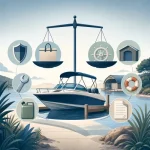
However, the excitement of boat ownership must be balanced with financial prudence. Budgeting effectively is crucial to ensure that your passion for boating doesn't lead to financial strain. A well-thought-out budget helps you make informed decisions, avoid unnecessary debt, and enjoy your boat to the fullest.
In this guide, we will explore some common budgeting mistakes made by boat buyers in Australia and how you can avoid them. From underestimating ongoing expenses to overlooking financing options, we’ll cover the key pitfalls to steer clear of. By understanding these challenges and preparing accordingly, you can set sail with confidence and keep your financial health on course.
Assessing Your Financial Situation
Before diving into the exciting world of boat ownership, it's essential to take a step back and assess your financial health. Knowing exactly where you stand financially will help you determine if buying a boat is feasible or if you need to make some financial adjustments first.
Start by evaluating your current financial situation. This includes reviewing your income, expenses, debts, and savings. Are there areas where you can cut back or save more? It's wise to have a clear understanding of your financial obligations before taking on the commitment of a boat purchase.
Once you have a clear picture of your finances, consider how much you can realistically afford to spend on a boat. It's not just the upfront costs but also the ongoing expenses that need to be factored in. Setting a maximum budget for your boat purchase can help you avoid overspending and ensure that boating remains an enjoyable activity rather than a financial burden.
Identifying the Costs of Boat Ownership
When planning to buy a boat, it's important to have a comprehensive understanding of the costs involved. While the initial purchase price might seem like the most significant expense, there are several ongoing costs that can add up quickly. By identifying these costs early, you can avoid budget surprises and enjoy your boating experience more smoothly.
Start by breaking down the initial purchase price of the boat. This includes not just the sticker price, but also any additional fees such as taxes, registration, and dealer charges. It's important to factor in these costs to get a true picture of your investment.
Beyond the purchase price, you must consider registration and insurance expenses. Owning a boat in Australia means complying with specific registration requirements, which can vary by state. Additionally, comprehensive boat insurance is crucial to protect your investment against unforeseen circumstances like accidents or damage.
Lastly, explore the ongoing costs such as maintenance, fuel, and docking fees. Regular upkeep is necessary to keep your boat seaworthy and safe, while fuel and docking can become significant costs over time, especially if you're frequently out on the water. Understanding these expenses will help you budget effectively and avoid any financial strain.
I'm sorry for any misunderstanding, but based on the outline, section 4 should address "Types of Boats and Their Impact on Your Budget." Let me generate this section for you according to the instructions.Types of Boats and Their Impact on Your Budget
When it comes to buying a boat, the type you choose will significantly impact your budget. Different types of boats come with varying price tags, maintenance needs, and running costs. It's essential to understand these differences to avoid overspending and ensure your choice aligns with your financial capabilities.
Start by comparing the costs between sailboats, motorboats, and other types. Sailboats, while initially more expensive, may save you money on fuel. Motorboats, on the other hand, can be more affordable upfront but often require more maintenance and fuel costs.
Another decision to consider is whether to buy a new or a used boat. New boats come with the latest technology and fewer issues but depreciate quickly. Used boats might be more budget-friendly but can entail hidden problems if not carefully inspected.
Lastly, evaluate the long-term value and depreciation of your boat choice. Some boats hold their value better over time, which is crucial if you plan to sell or upgrade in the future. Considering these factors will help you make a financially sound decision, ensuring you enjoy your boating adventures without financial headaches down the line.
Exploring Financing Options
When purchasing a boat, understanding the financing options available to you is crucial. Different financing methods can significantly impact your overall budget, so it’s important to explore each option thoroughly and choose one that fits your financial situation.
One common financing choice is securing a boat loan through a bank or credit union. These loans often offer competitive interest rates and flexible terms, but they require a good credit score to secure the best rates. Alternatively, dealer financing might be available when purchasing directly from a seller, which can offer convenience, although sometimes with higher rates.
Leasing is another option, allowing you to enjoy a boat without the same level of financial commitment as buying. However, you won’t build equity in the vessel, and there may be restrictions on usage and maintenance.
Whichever method you choose, it's imperative to ensure that the loan or lease fits comfortably within your budget. Factor in the monthly payments with your existing obligations and consider any potential changes in interest rates. By carefully evaluating these financing options, you can avoid overextending yourself and ensure that your boat purchase remains a source of enjoyment rather than financial stress.
Failing to Account for Depreciation
One often-overlooked aspect of boat ownership is depreciation. Understanding how boats depreciate over time is crucial for making informed purchasing decisions and managing your finances effectively. Boats, much like cars, lose value as they age, and this can significantly affect the overall cost of your investment.
Depreciation rates can vary depending on the type of boat, brand, and market conditions. For example, new boats experience the most substantial depreciation within the first few years of ownership. This reduction in value can impact your finances if you're planning to sell or upgrade your vessel in the future, so it's essential to consider depreciation when setting your budget.
Fortunately, there are several strategies to minimize the impact of depreciation. Buying a well-maintained pre-owned boat is often a good idea because the previous owner has already absorbed the initial depreciation hit. Additionally, maintaining your boat in excellent condition and keeping up with regular servicing can slow the depreciation process and preserve its value.
When purchasing a boat, balance your desire for a new model with the financial benefits of opting for a gently used one. By factoring depreciation into your buying decision, you can make a more financially sound investment and enjoy your time on the water with peace of mind.
Conclusion: Setting Sail with Financial Confidence
As you've explored throughout this guide, understanding and managing the financial aspects of boat ownership can make all the difference in ensuring a smooth and enjoyable experience. From assessing your financial situation to carefully evaluating maintenance, fuel, and other ongoing expenses, each step contributes to a more fulfilling boating journey.
Budgeting wisely not only helps you avoid common financial pitfalls but also allows you to maximise your enjoyment on the water. By choosing the right type of boat for your budget, financing responsibly, and accounting for depreciation, you position yourself for long-term success and satisfaction.