Financial literacy in this area empowers boat owners to make informed decisions that align with their dreams and budgets. By demystifying the jargon commonly associated with maritime loans and purchases, you equip yourself with the confidence needed to navigate the buying process effectively.
Getting Started: Basic Terms Every Boat Owner Should Know
Starting your journey into boat ownership means diving into some key financial terms that will frequently pop up. Understanding these terms is essential to making sound financial decisions. Let's begin with the term "principal" - this is the initial amount of money you borrow or the remaining balance on your loan, excluding interest.
Next, the "interest rate" is the percentage that determines how much you'll pay for the privilege of borrowing. It sounds simple, but it's vital to know how it will impact your overall repayment amount. Finally, the "term" refers to the lifespan of your loan: how long you have to repay the borrowed amount.
Interest rates can be tricky. A "fixed" interest rate stays the same throughout the loan's lifespan, ensuring stable monthly payments. A "variable" rate might fluctuate, potentially leading to changes in your repayment amounts. Understanding which suits your situation is key.
Another important distinction is between "secured" and "unsecured" loans. A "secured" loan is backed by collateral, like your boat, which the lender can take if you default. An "unsecured" loan does not require collateral but might come with higher interest rates due to its riskier nature for lenders.
Navigating More Specific Finance Terms
Diving deeper into marine finance, you'll encounter niche terms that can significantly impact your financial decisions. Let's start with "balloon payments." This term refers to a large payment due at the end of a loan. While it allows for lower monthly payments, it's essential to plan for this substantial final payment to avoid financial stress.
Another critical term is "chattel mortgage." In essence, this is a loan arrangement where the boat you're purchasing acts as security for the loan. It can offer benefits like potential tax advantages and flexible repayment options. However, it's crucial to understand how this security interest impacts your obligations.
Boat-specific financing introduces terms like "hull identification number" (HIN), a unique serial number for boats that aids in identification and tracking. It's necessary for registration and financing. Also, a "marine survey" is an inspection of a boat to assess its condition and value, often required by lenders before granting a loan.
These terms play varying roles in different financing options. For instance, understanding the specifics of a marine survey can help you obtain a more accurate value assessment, which is pivotal in securing the right loan amount. Meanwhile, knowing your HIN is essential for maintaining proper records and ensuring compliance with financial and legal requirements.
The Process: Understanding Loan Application and Approval Jargon
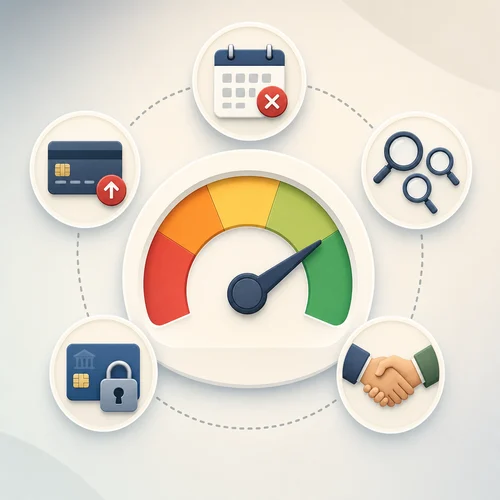
Embarking on the marine finance journey involves navigating through several steps that may initially seem complex. Understanding the process can demystify the jargon and help you move forward with confidence. Typically, the first step in a marine finance application is undergoing a "credit assessment." This involves the lender evaluating your creditworthiness, checking your credit score, and considering your financial history to determine your eligibility for a loan.
Once you pass the credit assessment, the next step is often "pre-approval." This stage gives you a clearer idea of how much you can borrow, based on your financial situation and the lender’s terms. Having pre-approval can strengthen your position when shopping for boats as it demonstrates to sellers that you're a serious buyer with financing in place.
After finding your ideal boat and agreeing on a price, the final step is "settlement." This is when the funds are officially transferred and the purchase is completed. It's crucial to have all necessary documentation ready to prevent delays. Commonly required documents include proof of income, identification, and details about the boat you're purchasing.
To ensure a smooth application process, start by gathering essential documents early. Maintain organized records and be prepared to provide accurate information about your financial status. These steps not only expedite the approval process but also demonstrate your readiness to the lender, improving your chances of a successful application.
Beyond the Basics: Advanced Jargon in Finance
Diving deeper into marine finance, it's essential to understand terms related to refinancing and restructuring your marine loans. "Refinancing" involves replacing your current boat loan with a new one, typically to secure a lower interest rate or adjust repayment terms. This can reduce monthly payments or shorten the loan term, depending on your objectives.
An essential concept in refinancing is "loan restructuring." This process allows you to modify the original terms of your agreement, which can be beneficial if your financial circumstances change. Lenders might offer options such as extending the loan term or temporarily reducing payments, aiming to ease your financial burden.
Another crucial term is "residual value," which refers to the boat's estimated worth at the end of the loan term. This value can impact finance arrangements, particularly with options like balloon payments or leases, influencing the total cost of ownership over time.
The "total cost of ownership" (TCO) takes into account not just the purchase price, but all costs associated over time, including finance charges, maintenance, and depreciation. Understanding TCO helps boat owners budget accurately and avoid unexpected financial strain.
Additionally, in the realm of marine finance, comprehension of taxation and depreciation jargon is vital. Depreciation impacts a boat's value over time, affecting resale value and potential tax deductions. Familiarising yourself with how these factors influence your financial situation ensures you make informed purchasing decisions.
Practical Tips: How to Communicate Effectively with Lenders
Successfully navigating marine finance often hinges on clear and effective communication with lenders. Knowing how to articulate your needs and understanding the options available can significantly improve your financing experience. Begin by clearly outlining your financial goals. Are you looking for low monthly payments, or is your aim to pay off the loan quickly? Defining your priorities helps guide the conversation.
When approaching lenders, come prepared with a list of questions. Ask about the different types of loans they offer and inquire about the terms and conditions associated with each. Questions like, "What is the interest rate range for my loan amount?" or "Are there any additional fees associated with early repayment?" can provide valuable insights. This proactive approach not only shows you are informed but also helps clarify any uncertainties.
It's crucial to understand the implications of your credit score on the loans available to you. Don't hesitate to ask, "How does my credit history affect the interest rate or loan approval process?" Clarity on these points can prevent unexpected surprises down the line.
Finally, emphasise understanding the specific conditions of the loan, such as prepayment penalties or adjustable interest rates. Ask your lender to explain any terms that seem unclear, and ensure you fully understand the repayment obligations. This attention to detail can prevent miscommunication and help you make informed decisions aligned with your financial goals.
Conclusion: The Empowering Effect of Deciphering Loan Lingo
Gaining a firm grasp of marine finance jargon can transform the boat-buying experience, turning what might seem a daunting task into a manageable process. Understanding these terms equips you with the knowledge to make informed decisions, ensuring that you’re not only getting the best deal available but also securing a financing option that aligns with your financial goals.
The benefits of this understanding extend beyond the initial purchase. It empowers you to maintain a healthy financial position throughout the life of your loan, avoiding pitfalls and taking advantage of opportunities that arise. The ability to communicate clearly and effectively with lenders and financial advisors enhances your ability to negotiate terms that best suit your needs.
We encourage you to continue learning and to foster strong communication lines with finance professionals. Whether it's keeping updated on market trends or understanding the latest financial products, staying informed is key. Remember, no question is too small when it comes to significant financial commitments like purchasing a boat.