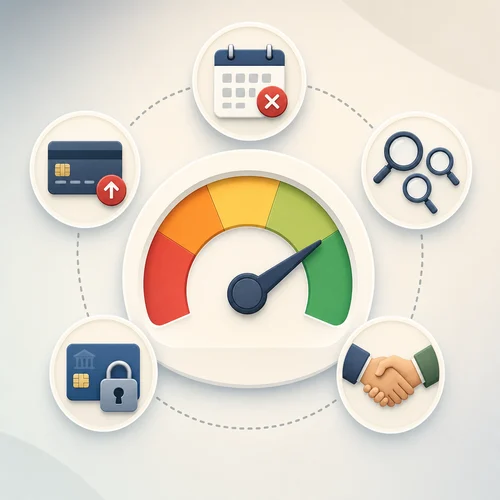
Understanding the Importance of Your Credit Score
Why Lenders Consider Credit Scores
Lenders often rely on credit scores because they provide a quick and objective way to assess a borrower's credit history. A higher credit score suggests a lower risk for the lender, which can lead to more favourable loan terms. In contrast, a lower score may mean there’s more risk involved, possibly resulting in loan denial or stricter conditions.
The Impact of Credit Scores on Loan Approval and Interest Rates
Credit scores significantly affect not only the approval of your loan but also the interest rates you're offered. A higher credit score can make you eligible for lower interest rates, reducing the overall cost of the loan. This relationship exists because lenders associate higher credit scores with lower chances of default.
Conversely, lower credit scores might lead to higher interest rates or even loan rejections. By understanding this link, you can see the value in maintaining a good credit score before applying for any loan, be it a personal loan or a business loan.
Difference Between Personal and Business Credit Scores
It's essential to differentiate between personal and business credit scores. Personal credit scores are based on your personal credit history, while business credit scores reflect the financial conduct of your business. Both types of scores can affect your ability to secure a business loan.
Understanding the differences and how each can influence your loan applications will empower you to manage both sets of scores proactively. It ensures you’re in the best possible position when you approach lenders for financing your business needs.
Assessing Your Current Credit Position
How to Check Your Credit Score in Australia
Knowing your current credit score is the first step in managing your credit profile. In Australia, you're entitled to a free credit report from each of the main credit reporting agencies: Equifax, Experian, and illion. Accessing your credit score is a straightforward process, and there are several online platforms offering this service for free.
It's advisable to check your credit score regularly, as it gives you a clear picture of your financial standing. This awareness can guide your efforts in maintaining or improving your credit score as needed, especially when planning to apply for a loan.
Understanding Credit Reports and Their Components
A credit report gives detailed insights into your financial behaviour. It typically includes information such as your personal details, credit enquiries, credit accounts, repayment history, and any defaults or infringements. Each entry in your credit report contributes to determining your credit score, which lenders use to assess your creditworthiness.
Understanding the components of your credit report can help identify areas that may need improvement. This proactive approach allows you to rectify any issues, improving your score over time, which is particularly beneficial before applying for a business loan.
Identifying Errors or Discrepancies in Your Credit Report
Errors in your credit report can adversely affect your credit score, so it’s crucial to review it carefully. Common discrepancies might include incorrect personal information, outdated account details, or mistaken defaults. If you spot any inaccuracies, it’s important to contact the credit reporting agency immediately to have them corrected.
Taking the time to dispute errors not only rectifies your credit report but also potentially boosts your credit score. This proactive step can improve your chances of securing favourable loan terms when approaching lenders for business financing.
Strategies to Improve Your Credit Score
Paying Off Existing Debts Systematically
One of the most effective strategies for improving your credit score is to systematically pay off existing debts. Prioritising high-interest debts often makes the most financial sense, but ensure that you continue making at least the minimum payments on all accounts to avoid penalties.
If possible, consider using the debt snowball or debt avalanche method, depending on your financial situation. The debt snowball method focuses on paying off smaller balances first, boosting motivation. In contrast, the debt avalanche method targets debts with the highest interest rates, potentially reducing the total interest paid over time.
Managing Credit Card Usage Effectively
Credit card management plays a significant role in your credit score. Aim to keep your credit utilisation ratio, your balance compared to the card's limit under, 30%. A lower utilisation rate indicates responsible credit use, positively influencing your credit score.
Try to pay off the outstanding balances in full each month to avoid accruing interest. If full payment isn’t feasible, prioritise paying down as much as possible while keeping an eye on not exceeding the recommended utilisation limits.
Maintaining a Healthy Credit Mix
A diverse credit mix, including a blend of credit cards, personal loans, and mortgages, can positively affect your credit score. Lenders prefer borrowers with a history of managing different types of credit responsibly. However, avoid taking on additional credit solely to improve your credit mix, as unnecessary debts can worsen your financial situation.
At the same time, wisely closing unused credit accounts can help streamline your credit profile without negatively impacting your score. Each action should be carefully considered to maintain an optimal credit mix.
Ensuring Timely Payments on All Accounts
Timely payments are crucial in maintaining and improving your credit score. Late payments can have a significant negative impact, as your payment history forms a large part of your credit score calculation.
Consider setting up automatic payments where possible, or use reminders to ensure that you never miss a due date. Regular, on-time payments demonstrate reliability to lenders, significantly enhancing your creditworthiness.
Negotiating with Creditors for Better Terms If Necessary
If you're struggling with high-interest rates or unfavourable terms, don’t hesitate to reach out to your creditors. Many creditors are open to negotiation, especially if you're a long-standing customer with a reliable payment history.
Negotiate for lower interest rates or more manageable repayment terms. Successful negotiations can ease your financial burden and enable you to manage debts more effectively, potentially uplifting your credit score over time.
Long-term Financial Management Practices
Setting Up Automatic Payments to Avoid Missed Deadlines
One of the simplest yet most effective ways to maintain a healthy credit score is to set up automatic payments for your bills. By automating payments, you eliminate the risk of missing due dates, which can negatively impact your credit score. Regular on-time payments are crucial, as they demonstrate your reliability to lenders.
Many financial institutions provide options for setting up direct debits from your account, ensuring bills are paid promptly. This approach not only safeguards your credit score but also helps you manage your time more efficiently, freeing you from the stress of remembering various due dates each month.
Creating a Budget and Sticking to It
Developing a budget is fundamental to achieving financial stability and improving your credit score. A well-planned budget allows you to track your income and expenses, identifying areas where you might need to cut back or can afford to save more. By allocating funds for loan repayments, savings, and discretionary spending, you can better manage your finances.
Sticking to your budget requires discipline, but it pays off by helping to prevent overspending and ensuring you’re prepared for future financial needs. This disciplined approach supports better debt management and contributes to a more robust credit profile over time.
Regularly Reviewing Your Credit Report for Updates
It's crucial to periodically review your credit report to keep track of your financial health. Credit reporting in Australia involves contributing information to main agencies like Equifax, Experian, and illion. An annual check of your credit report helps you identify any new entries or changes that might affect your score.
Being aware of your credit profile allows you to address any inaccuracies quickly, ensuring your score accurately reflects your credit behaviour. Regular reviews also make it easier to catch early signs of potential financial issues, giving you ample time to take corrective action and maintain a favourable credit standing.
Preparing Your Loan Application with an Improved Credit Score
Highlighting Improvements in Your Credit Score to Lenders
When your credit score has improved, it’s crucial to highlight this to potential lenders. A better credit score can not only make your application more attractive but can also give you leverage to negotiate better loan terms. Be upfront about your improved score and explain the steps you took to achieve it, showcasing your diligence and commitment to financial responsibility.
Lenders appreciate transparency, so by demonstrating the positive changes in your credit profile, you can build trust and potentially receive more favourable interest rates. It's essential to communicate these improvements in a clear and concise manner, ensuring the lender understands the significance of your enhanced creditworthiness.
Assembling All Required Financial Documents
Before applying for a business loan, make sure you have all the necessary financial documents prepared. These typically include financial statements such as balance sheets and income statements, tax returns, and cash flow projections. Having these documents organised and readily available will streamline the application process, demonstrate your preparedness, and enhance your credibility with lenders.
Ensure your documents are up-to-date and accurately reflect your business’s financial situation. Being thorough and detailed in your documentation enables lenders to assess your application more efficiently, increasing your chances of approval.
Demonstrating Your SME's Financial Stability and Growth Potential
A crucial part of applying for a business loan is demonstrating the financial stability and growth potential of your small or medium-sized enterprise (SME). Presenting a robust and realistic business plan that outlines your company’s current standing and future goals can make a significant impact on lenders.
Lenders look for businesses that can not only meet loan repayments but also grow and succeed. By presenting your SME's achievements, market potential, and strategic plans clearly, you reassure lenders of your ability to repay the loan and bolster your application’s prospects.
The Role of Professional Advice and Support
When to Consult Credit Experts or Financial Advisors
Sometimes, managing and improving your credit score can feel overwhelming. This is where professional advice can be invaluable. Consulting credit experts or financial advisors can provide you with tailored strategies to improve your credit profile, especially if you're struggling to identify or rectify issues on your own.
Credit experts can help untangle complex credit reports, suggest effective debt management techniques, and guide you in negotiating with creditors. If you're unsure about when to seek help, consider professional advice when planning major financial decisions, such as applying for a business loan, where your credit score plays a critical role.
Resources Available for Australian SMEs
Australian SMEs have access to a wealth of resources aimed at supporting financial management and credit improvement. Government websites, such as MoneySmart, offer guidance and tools for managing business finances and understanding credit reports. Additionally, industry-specific associations often provide networking opportunities and educational resources to help SMEs navigate financial challenges.
Familiarising yourself with these resources can equip you with the knowledge and support needed to make informed financial decisions. This proactive approach not only aids in managing credit more effectively but also enhances your overall business strategy.
Benefits of Using a Finance Broker for Loan Applications
Engaging a finance broker can greatly benefit business owners seeking loans. Brokers have extensive knowledge of the lending landscape and can connect you with a variety of lenders, increasing your chances of finding the best terms and rates. They also manage much of the paperwork and negotiation processes, saving you time and effort.
Moreover, brokers often have established relationships with lenders, allowing them to advocate on your behalf and potentially secure more favourable terms. For many business owners, using a finance broker means having a trusted ally in navigating the complex loan application process, ensuring a smoother path to securing the financing you need.
Conclusion and Key Takeaways
Recap of Key Credit Improvement Strategies
Improving your credit score is a crucial step in securing favourable loan terms for your business. We've covered important strategies such as systematically paying off debts, managing credit card usage effectively, and maintaining a healthy credit mix.
By ensuring timely payments and reviewing your credit report regularly, you can identify and rectify errors that may impact your score. Each of these steps contributes to a healthier credit profile, positioning you better when applying for a business loan.
Taking a proactive approach to financial management is essential. Setting up automatic bill payments, creating and sticking to a budget, and regularly assessing your financial health can prevent issues before they arise.
By being organised and disciplined in your financial practices, you not only boost your credit score but also set your business on a path towards sustainable growth.
Final Thoughts on Leveraging a Good Credit Score for Business Growth
A strong credit score is more than just a number... it's a powerful tool that can be leveraged to secure better loan terms, ultimately supporting your business growth. With a higher score, you can access loans with lower interest rates and more favourable conditions, freeing up resources for reinvestment in your business.
As you set sail towards your business objectives, remember that maintaining a healthy credit score is an ongoing process. It's about continually managing your finances responsibly and staying informed. Embrace these habits, and you'll not only improve your credit but also enhance your overall financial strategy.