While buying a boat is a thrilling prospect, securing a loan for one can be complex and daunting for many Australians. It's easy to feel overwhelmed by the sea of paperwork, financial jargon, and various requirements lenders have. But fear not, there's a map for this journey.
The purpose of this article is to give you a basic guide through the boat loan application process. By understanding common mistakes and learning how to avoid them, you'll be better equipped to sail smoothly towards securing the ideal loan for your dream vessel. Let's dive into the details and help you make informed decisions.
Evaluate Your Borrowing Power
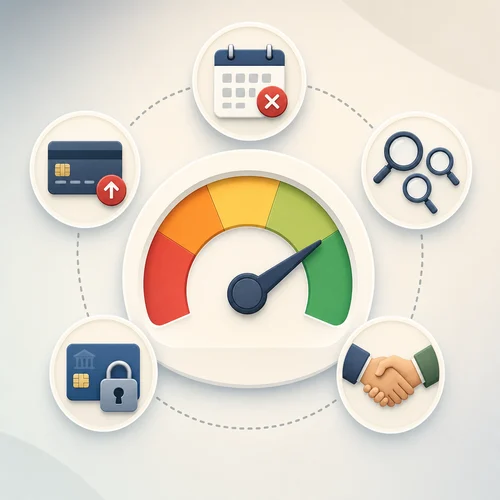
Before you set your sights on the boat of your dreams, it's crucial to understand your financial position. Knowing where you stand financially helps guide you in making informed decisions about how much you can realistically borrow. This knowledge ensures that you're not setting sail on a course toward financial strain.
Calculating your borrowing capacity involves several factors, including your current income, expenses, and existing debts. Lenders will evaluate these financial elements to determine how much you can borrow without overextending yourself. It's a good idea to use online calculators offered by many financial institutions to get a rough estimate.
Over-borrowing can lead to significant financial stress down the line. It can affect your ability to maintain loan repayments, leading to potential penalties or even losing your boat. By thoroughly evaluating your financial situation and borrowing appropriately, you can enjoy your boat ownership experience without the worry of financial troubles looming ahead.
Researching Lenders and Loan Options
Setting out to secure a loan is much like choosing a boat; one size does not fit all. Hence, comparing different lenders is an important step in the loan application process. Each lender offers varying terms, interest rates, and repayment options. By shopping around, you can find a loan that suits your financial situation and preferences.
When exploring loan options, it's important to understand the various structures available. Fixed-rate loans provide certainty with stable repayments, while variable-rate loans may initially offer lower rates but can fluctuate over time. Some lenders also offer interest-only loans for a set period, which might initially reduce your payments but require larger payments later.
Don't just stop at the type of loan; delve into the specifics of interest rates and repayment schedules. A low interest rate might seem attractive but ensure you understand whether it's a promotional rate and how it changes over time. Additionally, consider the flexibility of the repayment schedules - can you make extra payments or adjust terms without penalties?
Conducting thorough research and asking plenty of questions can reveal the true cost of a loan. With the right lender and loan type, you’ll be poised to manage your finances effectively, allowing for smooth sailing well into the future.
Identifying Common Loan Application Errors
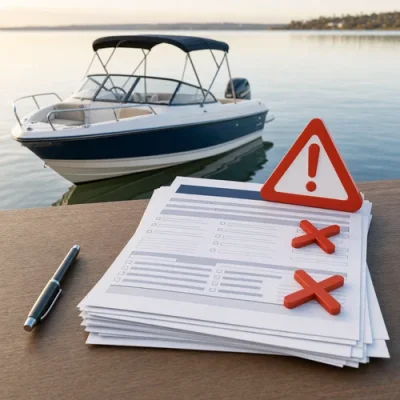
Applying for a boat loan can take you on a challenging voyage if you don't navigate around common pitfalls. One typical error applicants make is providing inaccurate personal information. Whether it's a mistake in your contact details or an error in your employment history, even small discrepancies can delay your application or affect your approval chances.
Another significant misstep is failing to provide full financial disclosures. Lenders need a comprehensive view of your financial situation, including all sources of income, debts, and expenses. Omitting any critical details, intentional or not, can raise red flags for lenders, potentially leading to a loan denial. On the flip side, being transparent can foster trust and smooth out the approval process.
It's also crucial not to underestimate loan-related expenses. Beyond the principal and interest, boat ownership comes with its own set of costs, such as maintenance, insurance, and mooring fees. Overlooking these can strain your budget and limit your ability to keep up with loan repayments. By planning for all associated expenses, you ensure a realistic budget that safeguards your financial stability and keeps your boat ownership journey afloat.
Pre-Approval: A Crucial Step
If you're serious about buying a boat, one of the most strategic moves you can make is seeking pre-approval from a lender. Pre-approval essentially means a lender has agreed, in principle, to lend you a specific amount of money based on a preliminary assessment of your financial situation. It's an advantage that not only clarifies your budget but also strengthens your position when negotiating with sellers.
To get pre-approved, you'll need to submit some documentation to your lender. This typically includes proof of income, details of your expenses, and information about any existing debts. The lender will assess your creditworthiness and determine how much you might reasonably borrow. While not a guarantee, pre-approval can offer you a clearer understanding of what you can afford and potentially speed up the final loan approval process.
Having pre-approval in hand can significantly improve your bargaining power. Sellers are generally more willing to negotiate with buyers who have financing ready to go, as it indicates seriousness and financial readiness. Additionally, with pre-approval, you can act quickly when you find the perfect boat, potentially securing a better deal and avoiding disappointment.
Navigating Loan Terms and Agreements
Once you've decided on a loan, you'll need to get familiar with the terms and agreements associated with it. Loan agreements are packed with crucial details, and understanding them is key to avoiding future financial headaches. Knowing what you're agreeing to can help you steer clear of unexpected costs or commitments.
Start by paying close attention to terms like interest rates, repayment schedules, and any fees that might apply. These elements are the backbone of your financial commitment. Clauses related to penalties for early repayment or missed instalments are especially important. Some lenders might offer favourable early repayment options, while others impose hefty penalties.
It's not uncommon for loan agreements to contain complex language and terms. If you spot anything confusing or if any clause seems unfavourable, don't hesitate to seek clarification. Financial advisers can provide valuable insights and help you navigate these intricacies. They can shed light on the fine print and ensure the terms align with your financial goals and capabilities.
By fully understanding your loan terms and agreements, you'll be better equipped to manage your debt effectively, ensuring smooth sailing throughout your loan repayment journey. Take the time to review, understand, and ask questions - your future self will thank you.
Strategies for a Successful Loan Experience
Embarking on the journey to secure a boat loan involves more than just applications and numbers. Success in this process often hinges on organisation and relationship building.
One crucial step is organising your loan documentation. Keep all related documents, such as income statements, credit reports, and correspondence with lenders, in a single, easily accessible location. This organisation not only makes the process smoother but also helps in quickly addressing any queries from lenders. Consider using digital tools to manage these documents, ensuring they're updated and backed up for ultimate peace of mind.
Next, foster a good relationship with your lenders. Lenders are more than just financial institutions; they're partners in your boat-owning journey. Maintaining open communication can prove invaluable, especially if your circumstances change. Discussing any potential issues with repayments ahead of time often leads to workable solutions rather than penalties.
Lastly, developing a realistic repayment plan is crucial. Align your repayment schedule with your budgetary constraints and cash flow patterns. Prioritise consistency, aiming for a plan that’s sustainable over time without straining your finances. If needed, don't hesitate to adjust your repayment strategy in consultation with your lender to reflect your evolving financial situation. These strategies ensure that your loan experience is as seamless and stress-free as possible, keeping your eyes on the horizon and your boat afloat.
Conclusion
As we drop anchor on our guide to navigating boat loans in Australia, it's evident that understanding the full scope of the loan application process can set you on course for success. From evaluating your borrowing power to meticulously selecting the right lender and loan option, each step equips you with the knowledge needed to make informed decisions. Avoiding common pitfalls and embracing pre-approval can enhance your position in the boat-buying process, setting a solid foundation for ownership.
Throughout this journey, it’s crucial to approach each phase with careful diligence. Assess the terms and conditions of your loan agreements, stay organised with your documentation, and maintain an open dialogue with your lenders. By doing so, you can avoid unexpected challenges that may otherwise tip the scales against you financially.
Remember, due diligence and strategic planning are your best allies as you embark on turning your maritime dreams into reality.