Applying for a boat loan might seem daunting, with its myriad of forms, figures, and financial forecasts to consider. Many Australians rush into the process, only to find themselves entangled in a web of costly mistakes. Understanding these potential missteps is crucial in successfully securing your floating getaway.
In this article, we’ll walk you through the common mistakes people make when applying for a boat loan and share tips on how to avoid them. Our goal is to empower you with some of the general knowledge to help you to sail smoothly through the loan application process
One of the fundamental mistakes that potential boat owners make is not comparing multiple loan offers before making a decision. Shopping around is crucial, as it allows you to choose the loan that best fits your financial situation. Each lender offers different interest rates, terms, and conditions, which can significantly impact the total cost of your boat loan.
Interest rates, in particular, can dramatically affect the overall expense of your loan. Even a small difference in rates can equate to thousands of extra dollars paid over the life of the loan. It's essential to consider the terms offered as well, such as repayment schedules and any associated fees, to gain a clear understanding of what you’re committing to.
Thankfully, there are several tools and resources available to assist Australian consumers in comparing boat loans efficiently. Websites that offer loan comparison calculators or financial service platforms can provide insights into the various options at your disposal. By utilising these resources, you can evaluate potential lenders and select the best plan to finance your boating dream.
Not Understanding the Loan Eligibility Criteria
Diving into the boat loan application process without a clear grasp of the eligibility criteria is a common mistake. Each lender has specific requirements that prospective borrowers must meet, and failing to understand these can lead to unnecessary rejections or delays in the application process.
Common eligibility requirements for boat loans often include a minimum credit score, proof of income, and a stable employment history. Lenders might also consider the applicant's debt-to-income ratio to assess their financial capacity to repay the loan. Depending on the lender, there may be additional conditions, such as age or geographic location, that can impact eligibility.
Typically, the application will require you to gather various financial documents, such as recent payslips, bank statements, and tax returns. Having these documents ready beforehand can streamline the application process and demonstrate your financial stability and creditworthiness.
Before applying, it can be useful to assess your own eligibility. This includes reviewing your credit score and financial situation to ensure you meet the basic requirements set by lenders. By taking the time to understand and prepare for these criteria, you increase your chances of approval and move one step closer to your boating aspirations without unnecessary hurdles.
Ignoring the True Cost of Ownership
When dreaming of your perfect boat, it’s easy to focus solely on the purchase price, overlooking the additional costs associated with ownership. Many Australians find themselves caught off guard by these financial commitments, which extend far beyond the initial investment. Insurance, regular maintenance, dock fees, and fuel are just a few elements that constitute the true cost of owning a boat.
Insurance, in particular, can add a significant recurring expense. The type of coverage, your boat's value, and how frequently you plan to use it all influence insurance premiums. Similarly, maintenance isn't a one-off cost; regular upkeep is vital to keeping your vessel in top condition. This can include everything from seasonal check-ups and cleaning to more substantial repairs over time.
Incorporating these expenses into your budget is crucial for avoiding future financial strain. Begin by estimating your boat’s annual upkeep costs and include them in your financial planning. Assess your current expenses, and ensure you can comfortably afford this lifestyle change without sacrificing other financial responsibilities or goals.
To manage these ongoing costs effectively, consider setting aside a dedicated fund for boat-related expenses. This ensures you’re prepared for routine costs and unexpected repairs that might arise. By adopting such proactive financial habits, you can enjoy your boating experience fully without unexpected financial stress.
Neglecting to Check Your Credit Score
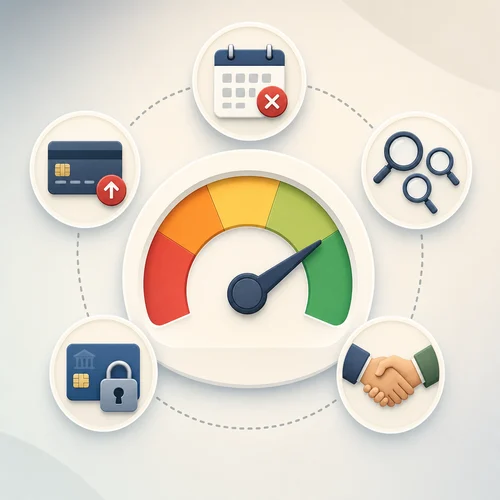
For many Australians, the excitement of purchasing a boat can overshadow the essential step of checking their credit score before applying for a loan. A credit score plays a pivotal role in not only determining your eligibility but also in influencing the interest rates you may be offered. Lenders use this score to gauge your creditworthiness and assess the risk involved in lending you money for your dream vessel.
A higher credit score typically results in more favourable loan terms, potentially saving you thousands over the life of the loan. On the flip side, a lower score can mean higher interest rates, adding to the long-term cost of boat ownership. Therefore, knowing your credit score and taking steps to improve it before submitting a loan application can significantly affect your financial outcomes.
Checking your credit score is relatively straightforward in Australia. You can access your credit report through various online platforms or request a free report annually from credit reporting agencies. Once you have your report, scrutinise it for accuracy. Errors can adversely affect your score, so it's important to dispute any discrepancies you might find.
If your score isn’t where you’d like it to be, there are strategies to enhance it before applying. These include paying down existing debts, making timely bill payments, and avoiding new credit inquiries unless necessary. Be aware that each inquiry can slightly lower your score, so it's wise to be strategic about when and how often you apply for credit.
Overlooking Loan Fees and Charges
When it comes to securing a boat loan, many Australians are caught off guard by the array of fees that accompany the borrowing process. These charges can inflate the overall cost of your loan, making it essential to understand and anticipate them as you negotiate your terms. Ignoring these fees can lead to undue financial strain, taking away from the enjoyment of your new purchase.
Common fees associated with boat loans include application fees, ongoing monthly fees, and early repayment penalties. Understanding these fees is crucial, as they can be a significant part of your total loan cost. For instance, an application fee is typically a one-time charge, while monthly account-keeping fees could accumulate over time, adding to your annual expenses.
It's also vital to scrutinise loan agreements closely to identify any hidden charges. Sometimes these agreements can contain clauses that are not immediately obvious but can affect your finances in the long run. These could include fees for redrawing the loan or charges for switching loan terms.
Fortunately, many fees are negotiable. Open a conversation with your lender about the possibility of waiving or reducing certain charges. Showing financial discipline and a good credit history can strengthen your bargaining position, potentially saving you money. By being proactive and vigilant, you can minimise unnecessary fees and make your boat loan more manageable.
Settling for Inflexible Loan Terms
Securing a boat loan with the right terms is crucial to maintaining financial flexibility, yet many Australians settle for restrictive options. The importance of negotiating flexible loan terms cannot be overstated. Such options can offer breathing room in your budget and accommodate future changes in your financial situation.
Opting for flexible repayment options provides several benefits, including the ability to adjust payment sizes or frequency as needed, potentially pausing payments during financial hardship, or making additional payments without incurring penalties. This adaptability can significantly reduce stress, allowing you to enjoy your boat without constantly worrying about the financial side.
Approaching lenders for better terms doesn't need to be daunting. Start by researching and understanding industry standards to know what's reasonable to request. Clearly present your financial stability through documentation that highlights your reliability as a borrower. Establishing a positive rapport with potential lenders can also enhance your negotiating position.
Being open and honest about your financial goals and constraints can foster a more cooperative negotiation process. Remember, lenders are often willing to work with you to find agreeable terms rather than risk losing your business altogether. By negotiating for flexible terms, you secure a loan that not only fits your current situation but also provides the resilience to adapt to life's ups and downs.
Not Seeking Professional Advice
When navigating the often complicated waters of boat loans, enlisting the help of a professional can make a significant difference. Financial advisors and brokers offer invaluable insights into the lending landscape, helping you make informed decisions tailored to your unique financial circumstances. The advantages of consulting with these experts extend beyond just understanding the fine print - they provide guidance on selecting a loan structure that aligns with your financial goals and long-term plans.
Professional advice can be crucial in securing the best loan available to you. Advisors have the knowledge and tools to compare numerous loan products, often understanding subtleties that laypeople may overlook. They can clarify complex terms, help negotiate better rates, and even identify exclusive deals or incentives that are not widely advertised. Their experience ensures you fully grasp the financial commitments you are entering, thus avoiding potential pitfalls and making your boat purchasing journey smoother and more successful.
Finding reliable financial advisors in Australia is an essential step in this journey. Look for professionals with strong credentials, positive client reviews, and a deep understanding of the local financial laws and lender requirements. Resources such as the Financial Planning Association of Australia can guide you to accredited advisors in your area. They should be transparent about their fees and provide you with a balanced view of various loan options, ensuring their advice is unbiased and in your best interest. By seeking professional help, you enhance your chances of securing a loan that aligns with your financial health, allowing you to focus on the joy of owning a boat.
Conclusion
As you embark on the journey to secure a boat loan, it's essential to keep in mind the key insights discussed throughout this article. Start by evaluating your borrowing power and understanding your financial position to avoid the pitfalls of over-borrowing. From there, researching different lenders and loan options will help you find the best terms that suit your needs.
Avoid the common mistakes of providing inaccurate information, failing to check your credit score, and overlooking additional loan costs. Remember, pre-approval can be a powerful tool, enhancing your bargaining power and streamlining the purchasing process. Don’t forget to navigate loan terms carefully, seek flexible agreements, and consider professional advice for a smoother loan experience.
Taking time for thorough research and preparation is essential. It will not only safeguard your finances but also ensure a satisfying boat ownership experience. We encourage you to act with diligence and confidence, embarking on your boating adventure fully prepared for the journey ahead.