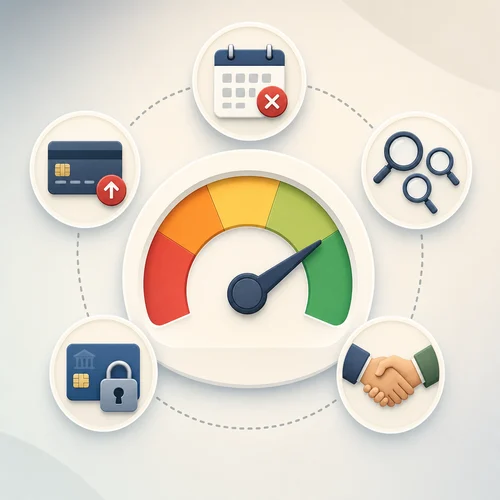
Many homeowners consider refinancing when their financial situation changes, such as an increase in income or a shift in interest rates. A successful refinance requires an understanding of the fees involved, potential penalties for early repayment, and the long-term savings it could offer.
Overview of Mortgage Refinancing in Australia
In Australia, the mortgage market is highly competitive, with various lenders offering enticing deals to attract borrowers. Refinancing can often be prompted by changes in the Reserve Bank of Australia's cash rate, leading to better interest rates from commercial banks.
Australian homeowners have options to refinance with traditional banks, credit unions, and online lenders. Each offers different packages, potentially with costs for appraisals or applications, making it crucial to shop around to find the best option tailored to your financial situation.
The Relevance of Refinancing in Today's Market
Amidst economic fluctuations and evolving fiscal policies, refinancing remains a vital strategy for Australians to manage their home loan commitments effectively. With interest rates constantly changing, it becomes imperative for homeowners to reconsider their plans and stay informed about the best financial products available.
In today's market, refinancing can not only save money but also offer flexibility. Whether you're looking to reduce your monthly repayments or consolidate debt, assessing refinance options can help reinforce financial stability and future planning.
Why Consider Refinancing Your Mortgage?
Opportunity to Lower Interest Rates
One of the primary reasons homeowners consider refinancing is the potential to secure a lower interest rate. Since interest rates can fluctuate over time, a reduction in rates can significantly decrease the total interest paid over the life of the loan.
Locking in a lower rate can lead to substantial savings and free up extra cash in your budget each month. Even a small reduction by half a percentage point could translate into thousands of savings, making refinancing an attractive proposition.
Reducing Monthly Repayments
Refinancing can also help reduce your monthly mortgage repayments. By extending the loan term, you can spread out the debt over a longer period, lowering your monthly financial obligations.
While this might mean paying more interest over the loan's life, it can relieve immediate financial pressure and improve cash flow, especially if your circumstances have changed.
Consolidating Debts Into a Single Payment
If you have multiple debts, refinancing may present an opportunity to consolidate these into a single, more manageable payment. This is particularly appealing for those balancing high-interest credit card debts or personal loans with their home loan.
Consolidation through refinancing can simplify your financial management and often result in lower overall interest rates compared to unsecured loans, helping you achieve a clearer path to financial well-being.
Key Signs It's Time to Refinance
Interest Rates Have Significantly Dropped
One of the clearest indicators that it might be time to refinance is a noticeable drop in interest rates. Even a reduction of a fraction of a percent can yield significant savings over the life of your loan. Lower rates mean lower monthly repayments and reduced total interest, making refinancing a smart financial move.
Keep an eye on the Reserve Bank of Australia's announcements and market trends, as these can indicate when a rate drop could be beneficial enough to consider refinancing.
Your Credit Score Has Improved Since the Initial Loan
If your credit score has improved since you first took out your mortgage, you might be in a better position to refinance at lower rates. Improved credit scores reflect better financial health, making you a more attractive borrower to lenders. This can translate to more competitive loan offerings.
A higher credit score not only increases your chances of loan approval but also opens the door to more favourable loan terms that can enhance your financial strategy.
Current Mortgage Terms Are No Longer Suitable for Your Lifestyle
Life changes, and so do financial priorities. If your current mortgage terms no longer align with your lifestyle—whether you need a different repayment schedule or more flexible terms—refinancing might be the solution. As your circumstances evolve, your mortgage should adapt to your current needs.
This flexibility can be a crucial factor in maintaining financial stability and could lead us to more favourable loan conditions or terms that better fit your life stage.
You Desire to Switch from a Variable to a Fixed Rate or Vice Versa
Another sign it might be time to refinance is a desire to switch from a variable interest rate to a fixed rate, or vice versa. Each setup has its advantages; fixed rates offer stability amidst fluctuating rates, while variable rates might provide savings if the market is favourable.
Consider your financial goals and risk tolerance when determining whether a change would benefit your situation. Consulting with a financial advisor could provide further insight into which option might best suit your circumstances.
Steps to Take Before Refinancing a Mortgage
Evaluating Your Financial Situation
Before jumping into refinancing, it’s vital to thoroughly assess your current financial scenario. Start by reviewing your credit score, as this will significantly influence the interest rates you can access. A higher score could mean more favourable terms.
Additionally, take a close look at your income, expenses, and any debts you may have. Understanding where you stand financially can help you determine what you can realistically afford in terms of new loan repayments. This evaluation will set the foundation for a successful refinancing process.
Comparing Loan Offers and Lenders
Next, shop around and compare various loan offers. Different lenders can provide diverse options in terms of interest rates and loan conditions, so it’s crucial to explore several possibilities. A thorough comparison ensures you are getting the best deal possible.
Don’t hesitate to reach out to multiple lenders to inquire about their offers. Sometimes, negotiating can lead to better conditions. Utilise comparison websites and consult with mortgage brokers who might have access to exclusive deals not advertised publicly.
Considering the Costs Associated With Refinancing
It's essential to be aware of and understand the costs associated with refinancing. Application fees, appraisal costs, and potential exit fees on your current loan can add up. Calculate these expenses to determine if the financial benefits of refinancing outweigh the costs.
Furthermore, consider the possible impact of refinancing on your financial health in the long term. While short-term savings are attractive, ensure that refinancing aligns with your broader financial goals to avoid unnecessary debt burdens later on.
Potential Downsides of Refinancing
Understanding Break Costs and Other Fees
While refinancing your mortgage can offer several benefits, it's important to be aware of the associated costs. Breaking your current mortgage agreement early can incur break costs, which might be significant, particularly if you're on a fixed-rate loan.
Additionally, refinancing involves various fees, such as application and appraisal costs. These expenses can quickly add up, decreasing the overall savings you might expect from a lower interest rate.
Therefore, it’s crucial to conduct a thorough cost-benefit analysis to ensure refinancing aligns with your financial goals and doesn’t unexpectedly strain your budget.
Lengthening the Term and Paying More Interest Over Time
Another potential downside of refinancing is the extension of your loan term. While lowering your monthly payments can offer immediate relief, it often results in paying more in interest over the life of the loan.
By extending the term, you might end up increasing the total cost of your mortgage despite a lower interest rate. This can result in paying significantly more than initially anticipated.
Balancing short-term affordability with long-term costs is crucial to ensuring refinancing is a sound financial decision.
The Risk of Market Shifts Affecting Interest Rates
Refinancing introduces the risk of changes in the market that can affect interest rates. A decision made under favorable conditions might not hold the same benefits if the market shifts suddenly.
If you choose to refinance when rates are low, be aware that they could rise again, potentially impacting your long-term financial outlook. This unpredictability can affect the savings you initially hoped to achieve through refinancing.
Therefore, it's wise to monitor market trends and consult with financial experts to ensure that refinancing remains advantageous under various economic conditions.
Choosing the Right Mortgage Refinance Option
Fixed vs. Variable Rates: Which Suits You?
When refinancing your mortgage, deciding between fixed and variable interest rates is crucial. A fixed rate provides stability by locking your interest rate for a specific period, shielding you from market fluctuations. This predictability makes financial planning easier, ensuring consistency in your monthly payments.
Conversely, a variable rate may fluctuate with market conditions, offering the potential for savings when rates drop. However, it can also mean paying more if rates rise. Deciding between these options requires assessing your risk tolerance and understanding how each scenario might affect your budget and financial goals.
The Role of Offset and Redraw Facilities
Offset and redraw facilities can significantly influence your refinancing decision. An offset account is a transactional account linked to your loan, where savings reduce your payable interest. This can save substantial interest over the loan's life while maintaining accessibility to funds.
Similarly, redraw facilities allow you to make extra repayments on your mortgage and withdraw them later. Both features offer financial flexibility, but it's essential to check for any fees or conditions attached, ensuring they align with your financial strategy.
Considering Split Loan Options
A split loan option combines the benefits of fixed and variable rates, allowing you to partition your loan into portions with different interest types. This approach can offer a balance between security and flexibility, catering to diverse financial circumstances.
With part of your loan under a fixed rate, you'll enjoy stability for a portion of your repayments, while the variable section might provide savings opportunities. Evaluate split loans carefully against your financial objectives to determine if they offer the optimal blend of benefits for your situation.
Conclusion
Recap of Key Refinancing Benefits
As we’ve explored, refinancing your mortgage can bring several potential benefits, from securing a lower interest rate and reducing monthly repayments to consolidating debts and gaining access to better loan terms. These advantages can substantially impact your financial well-being, offering both immediate relief and long-term savings.
Understanding when and how refinancing can be beneficial allows you to optimize your financial strategy. Whether it’s through lowering costs, managing your debt more effectively, or aligning your mortgage with your current lifestyle needs, refinancing can be a key component in managing your financial future.
Encouragement to Review Personal Financial Goals
As life evolves, so too should your financial goals. It’s important to periodically reassess your financial situation, ensuring it reflects your current and future objectives. Refinancing offers a unique opportunity to tailor your mortgage to better fit your life, whether that means adjusting for changes in income, family needs, or economic conditions.
Taking the time to evaluate your goals and circumstances is an important step to ensure that any financial decision, including refinancing, aligns with your broader aspirations.
Call to Action: Consult with a Mortgage Expert for Specific Advice
If you're considering refinancing, seeking professional advice is invaluable. Mortgage experts can provide tailored insights and guidance, helping you navigate the options and potential pitfalls of refinancing. Their expertise can clarify the complexities and help you choose the path that best suits your unique situation.
Don't hesitate to consult with a mortgage advisor to explore your options and secure the financial future you envision. Armed with knowledge and professional support, you can make informed decisions that set you on a path toward financial security and prosperity.