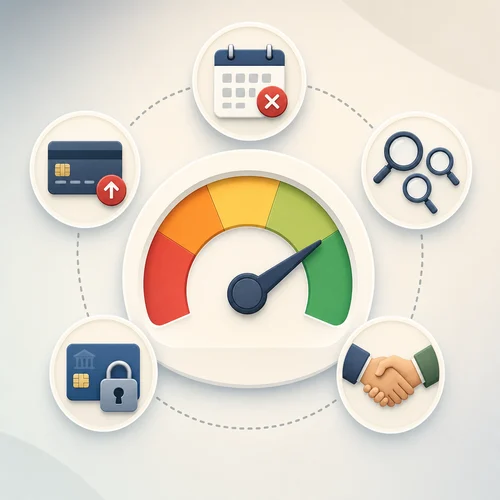
While many focus heavily on the allure of reduced interest rates, refinancing offers a myriad of other benefits. For instance, it can improve monthly cash flow, help consolidate debts, or shorten your loan term, eventually saving on interest. Customizing your mortgage to better fit your financial goals can make a significant difference in the long run.
Choosing the right lender is pivotal when considering refinancing. The lender you select impacts the terms you receive and even the costs associated. Therefore, understanding your options and carefully evaluating lenders is essential to maximize the benefits of refinancing and secure a deal tailored to your needs.
Understanding Your Refinancing Needs
Before diving into refinancing, it's crucial to clearly identify your financial goals. Are you looking to lower your monthly payments, reduce the total interest paid, or access cash from your home equity? Perhaps you're aiming to switch from an adjustable rate to a fixed rate for stability. Pinning down your objectives will guide your refinancing journey.
Next, take a good look at your current loan terms and conditions. Assess interest rates, the remaining loan term, and any penalties for early repayment. Understanding these aspects will help you determine if refinancing can offer a better deal or more favourable terms. A thorough evaluation of your existing mortgage helps in making an informed decision.
Finally, evaluate if refinancing suits your current financial situation. Consider your credit score, employment stability, and future financial plans. If you're uncertain, consulting a financial advisor can provide clarity. Remember, refinancing should align with both your short-term needs and long-term financial health.
Types of Lenders Available
Traditional Banks vs. Credit Unions
When considering refinancing, traditional banks and credit unions are two of the most familiar options. Traditional banks often offer a wide range of mortgage products and have established customer service frameworks, making them a comfortable choice for many. However, they may have stricter qualification criteria and less flexibility in their offerings.
Credit unions, on the other hand, are known for their member-focused approach, often providing personalized service and competitive rates. They might offer more lenient terms and a sense of community. However, to access these benefits, you often need to be a member and adhere to specific eligibility criteria.
Online Mortgage Lenders
Online mortgage lenders have gained popularity due to their convenience and often competitive rates. These lenders tend to streamline the application process, making it easier for tech-savvy consumers to manage refinancing. The absence of physical branches allows for potentially lower overhead costs, which might translate into better deals.
However, the lack of in-person service could be a downside for those who prefer face-to-face interactions, especially when navigating complex financial decisions. Evaluating the credibility and customer reviews of online lenders is crucial.
Mortgage Brokers and Their Role
Mortgage brokers act as intermediaries between borrowers and lenders, helping you find a suitable loan product by comparing offerings from various lenders. Their extensive knowledge and access to a range of products can be advantageous. Mortgage brokers can save you time and potentially secure more favorable terms than you might find independently.
However, it's important to understand the fee structure of mortgage brokers and how they're compensated, as this may impact the advice they provide. Ensuring transparency from the outset is vital to making a fully informed refinancing decision.
Evaluating Lenders: Key Considerations
Interest Rates and Loan Terms
Interest rates are often the first thing borrowers look at when evaluating lenders for refinancing, but they are just one piece of the puzzle. While a lower rate can decrease monthly payments and the total cost of the loan, it’s crucial to also examine the loan terms. Consider how they align with your financial goals. Are you aiming for lower monthly payments or a shorter loan term? Understanding your priorities helps in selecting a lender whose offerings best fit your needs.
Fees and Closing Costs
When refinancing, it's important to account for any fees or closing costs that may accompany the new loan. These can include application fees, appraisal costs, and other charges that add up. While a lender might offer an attractively low interest rate, high fees can lessen the overall savings. Make sure to request a detailed breakdown of costs from potential lenders, enabling you to make an accurate comparison and determine the true value of each refinancing option.
Customer Service and Support
The level of customer service and support provided by a lender can significantly impact your refinancing experience. You want a lender who is responsive, answers your questions thoroughly, and guides you through the process efficiently. Pay attention to reviews and ratings of the lender's customer service, which can reveal how other borrowers have been treated in the past. A lender with strong customer support can alleviate the stress of refinancing and ensure that your experience is smooth and problem-free.
Comparing Offers from Multiple Lenders
How to Request and Compare Loan Estimates
When comparing offers from multiple lenders, your first step is to request loan estimates from each one. These estimates provide a snapshot of the terms they are willing to offer, including interest rates, monthly payments, and closing costs. Obtaining multiple estimates allows you to evaluate your options side by side, making it easier to identify the most favorable deal. It's essential to provide the same information to each lender to ensure accurate comparisons.
Once you have several estimates, lay them out to compare key elements. Look beyond the interest rate; consider the length of the loan, associated fees, and any conditions that may affect your overall cost. This comprehensive examination helps you weigh which offer aligns best with your financial objectives.
Understanding the Fine Print
The fine print in loan offers can contain critical details that impact your refinancing choice. Pay close attention to any clauses about prepayment penalties, fees for late payments, and conditions that could change your interest rate. Understanding these nuances is vital, as they can affect the cost and flexibility of your loan. If any terms are unclear, don't hesitate to ask the lender for clarification.
Ensuring you fully grasp all aspects of a loan offer helps prevent unpleasant surprises down the line, keeping you in control of your refinancing decision.
Negotiating Better Terms
Once you've compared offers and delved into the fine print, you might find room to negotiate better terms. Lenders compete for your business, so use this to your advantage by discussing potential adjustments based on your research. Highlight strengths like a strong credit score or solid financial history to bolster your position.
Be open about other offers you've received, and ask if the lender can match or improve upon them. Even small adjustments, like a slightly lower interest rate or reduced fees, can lead to significant savings over time. Successful negotiation requires confidence and preparation, so come equipped with your research and clear goals to achieve the best possible deal.
Importance of Pre-approval in Refinancing
What is Pre-approval?
Pre-approval involves a lender reviewing your financial situation, including your income, debts, and credit history, to determine how much they would be willing to lend you. This process results in a pre-approved loan amount, interest rate, and terms, giving you a clearer picture of your refinancing options.
With pre-approval, you receive an official document stating the loan amount you qualify for, which can be a crucial step before starting the refinancing process. It's important to note that pre-approval is not a guarantee of final loan approval, but it does provide a strong indication of your borrowing potential.
Benefits of Getting Pre-approved
Securing pre-approval offers several advantages when refinancing. First, it helps you set realistic expectations about what you can borrow, enabling you to make more informed decisions. It also demonstrates to lenders that you are a serious borrower, which can be advantageous when negotiating terms and conditions.
Moreover, pre-approval allows you to lock in interest rates while you shop around, protecting you from rate fluctuations during your search. This can result in significant long-term savings if rates happen to rise before your refinancing is finalized. Additionally, knowing you are pre-approved can boost your confidence and streamline the overall refinancing process.
How It Impacts Your Refinancing Journey
Pre-approval lays a solid foundation for your refinancing journey by clarifying your financial standing and narrowing down viable lender options. This clarity can save time and prevent the frustration of pursuing unattainable loan offers.
With a pre-approval letter in hand, your choices become more targeted. You can compare specific loan offers relevant to your approved amount, rather than wasting time on options beyond your scope. This focused approach aids in keeping your refinancing strategy aligned with your financial goals, ensuring a smoother, more effective experience.
Potential Pitfalls to Avoid
Common Refinancing Mistakes
As appealing as refinancing can be, there are common pitfalls that borrowers should be wary of. One frequent mistake is focusing solely on interest rates while neglecting other crucial factors such as loan term changes, fees, and potential penalties. It's easy to be dazzled by the promise of lower monthly payments, but without a comprehensive view, you might miss hidden costs that diminish your overall savings.
Another mistake is failing to consider the break-even point, which is when the savings from refinancing surpass the initial costs. Without calculating this, borrowers might refinance more frequently than beneficial, incurring unnecessary expenses. Moreover, overlooking lender reputation and service quality can lead to frustrating experiences down the line.
The Impact of a Poor Credit Score
Your credit score significantly influences the terms of your refinancing deal. A higher score often results in more favorable rates and better loan terms. Therefore, rushing into a refinance without first improving a poor credit score can cost you thousands over the life of the loan.
Poor credit can limit access to the best refinancing offers, and even if approved, the higher interest rates negate expected savings. Taking time to improve your credit score before applying can yield considerable financial benefits and expand your range of options.
The Importance of Timing in Refinancing
Timing plays a crucial role in maximizing the advantages of mortgage refinancing. Jumping into a refinance at the wrong time can mean missing out on potential savings. For instance, locking in a new rate when interest rates are peaking or unstable might not be advantageous long-term.
Furthermore, refinancing too soon after obtaining your original mortgage could mean you're not far enough into your loan to truly benefit. Paying attention to market trends and your financial readiness ensures that your refinancing decision supports your goals and enhances your financial position effectively.
Case Studies: Successful Refinancing Examples
Example 1: Lowering Monthly Payments
Let's consider a homeowner who sought to reduce their monthly financial burden through refinancing. Initially, they were locked into a higher interest rate, leading to substantial monthly payments that strained their budget. By exploring refinancing options, they switched to a lender offering notably lower rates.
As a result, their monthly payments decreased significantly, allowing more flexibility in their budget. The savings enabled them to allocate funds towards other financial priorities, such as building an emergency savings fund. This strategic refinancing decision provided immediate and tangible relief, easing financial stress.
Example 2: Switching from an ARM to a Fixed-Rate Mortgage
Another successful scenario involved a homeowner with an adjustable-rate mortgage (ARM). Initially enticed by the lower initial rates, they soon faced increased payments as interest rates climbed. To gain stability, they opted to refinance into a fixed-rate mortgage.
This transition ensured predictable payments and alleviated concerns about future rate fluctuations. Alongside stability, the homeowner achieved peace of mind and better financial planning opportunities. This switch underscores the strategic advantage of stabilizing mortgage costs amid volatile market conditions.
Example 3: Cash-Out Refinancing for Home Improvements
Our final case involves a homeowner interested in leveraging built-up home equity for improvements. By opting for cash-out refinancing, they accessed funds for renovations without resorting to high-interest personal loans. This move improved their home’s value and quality of life while maintaining manageable mortgage payments.
Careful planning ensured the additional loan amount was efficiently used for renovations, enhancing the property’s value. This example illustrates how cash-out refinancing can serve as a powerful tool for achieving dual objectives: enhancing one’s home and optimizing financial resources.
Making an Informed Decision
As we've explored, mortgage refinancing offers numerous benefits beyond just acquiring a lower interest rate. Whether you're looking to reduce monthly payments, access home equity for investments, or switch terms for better predictability, understanding the full potential of refinancing is crucial.
When approaching refinancing, it’s important to align the process with your personal financial goals. Carefully evaluate potential lenders, comparing their terms and asking questions to grasp every detail of their offers. This informed approach ensures that refinancing aligns with your long-term financial plans and needs.
Refinancing can significantly enhance your financial security and flexibility when done thoughtfully. Treat this as an opportunity to tailor your mortgage to your current circumstances, paving a path toward greater economic stability. With diligent research and strategic decision-making, refinancing can be a powerful tool to enhance your financial future.