We will explore several key areas that can be game changers in your home-buying process. From understanding government grants and incentives to navigating lender requirements, the sections ahead promise valuable insights to ease your financial journey. We'll also address common mistakes and share expert tips tailored just for you, the Australian consumer.
Think of this as your personal guide to making informed and confident decisions in the home-buying market. So, let’s embark on this journey together, with a focus on practical strategies and encouraging support to help you achieve your dream of owning a home.
Understanding Your Credit Score
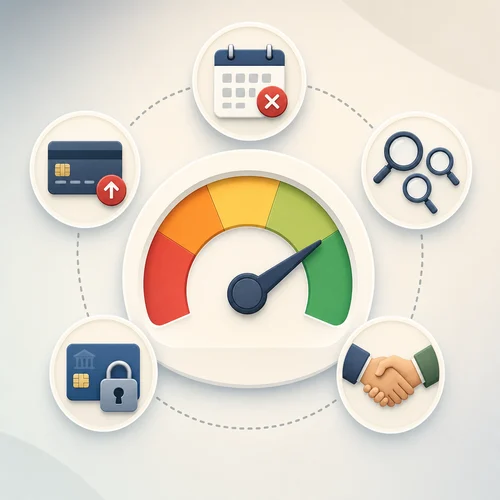
Your credit score is a numerical representation of your creditworthiness, and it's a crucial factor when applying for a home loan. Essentially, it indicates to lenders how reliable you are in repaying debts. In Australia, credit scores range from 0 to 1200, and a higher score generally improves your chances of loan approval.
It's important to check your credit score regularly so you know where you stand. You can access it through credit reporting agencies like Equifax, Experian, or illion. These agencies provide tools to help you interpret your score, offering insights into areas where you might improve.
Improving your credit score takes time, but it's achievable with consistent effort. Start by paying your bills on time and reducing any outstanding debt. Avoid applying for too many new credit accounts, too, as each application can slightly lower your score. Instead, focus on demonstrating responsible financial behavior over time, which will help you build a strong credit profile.
Saving for a Deposit
Having a substantial deposit is a critical step towards boosting your loan approval chances as a first-time homebuyer. Lenders often view a larger deposit as a sign of financial stability and responsibility, making them more willing to approve your loan. It can also reduce the need for Lenders Mortgage Insurance (LMI), saving you money in the long run.
Effective saving strategies can make a significant difference. Start by creating a dedicated savings plan with clear, achievable goals. Consider setting up an automatic transfer from your paycheck into a high-interest savings account to steadily build your deposit. Reducing discretionary spending and cutting unnecessary costs can also accelerate your savings journey.
In Australia, there are several government assistance programs and first-home buyer grants designed to ease this process. The First Home Super Saver Scheme (FHSSS), for instance, allows you to save a portion of your income in your superannuation fund, offering potential tax benefits. It's also wise to explore any state-specific grants that can complement your savings efforts and bring your homeownership dreams within closer reach.
Managing Existing Debts
Existing debts can have a considerable impact on your loan eligibility as lenders assess your ability to manage additional financial commitments. Lenders typically evaluate your debt-to-income ratio to determine how much of your monthly income goes towards paying off debts. A lower ratio indicates a stronger capacity to handle a new loan, making you a more attractive candidate for lenders.
One effective strategy to improve your loan eligibility is debt consolidation. This involves combining multiple debts into a single payment, often with a lower interest rate. Debt consolidation simplifies your financial obligations, potentially allowing for lower monthly payments.
Reducing your overall debt is another essential step. Focus on paying down high-interest debts first, such as credit cards or personal loans. This not only lowers your debt burden but also improves your credit score over time. Maintaining a good credit score is pivotal in presenting yourself as a reliable borrower.
Finally, aim to keep your debt-to-income ratio low, ideally below 30%. This ratio is crucial because it reflects your ability to manage current debts alongside potential home loan repayments. By effectively managing your debts, you improve your chances of loan approval and pave the way for a successful home-buying journey.
Ensuring Stable Employment
Stable employment is a critical factor that lenders look for when assessing your home loan eligibility. Consistent employment demonstrates financial reliability and assures lenders that you have a steady income stream to meet your monthly loan repayments. This stability is particularly important for first-time homebuyers who lack an extensive credit history to vouch for their financial responsibility.
To demonstrate stable income, it's advisable to provide detailed documentation of your employment history and income consistency. Pay slips, bank statements, and employment letters that confirm your length of service can be valuable. It's also beneficial to avoid frequent job changes during your mortgage application process, as this might raise concerns about income stability.
For those who are self-employed or have unconventional income sources, proving stable employment can be a bit more challenging. In such cases, meticulous record-keeping is key. Be prepared to present your tax returns, income statements, and business activity statements over the past two years. It's crucial to show consistent earnings over time and maintain comprehensive track of your financial records.
Ultimately, whether you have traditional employment or unconventional income, the goal is to assure lenders that you have a dependable capacity to meet loan repayments consistently. By showcasing income stability, you significantly enhance your eligibility for securing a home loan.
Choosing the Right Loan Product
As a first-time homebuyer, navigating the different types of home loans can be overwhelming. The right loan product is crucial to your financial health and future payments. In Australia, various options like fixed-rate loans, variable-rate loans, and split loans are available, each with unique features and benefits.
Understanding these options is the first step. Fixed-rate loans provide stability with consistent repayments over the loan term, protecting you from interest rate fluctuations. On the other hand, variable-rate loans may offer lower initial rates and flexibility, but they come with the risk of changing monthly repayments if rates fluctuate. Split loans combine both, letting you fix a portion while the rest remains variable, offering a balance of security and flexibility.
When choosing a loan product, consider your financial circumstances and future plans. Assess your risk tolerance, potential changes in your income, and your ability to manage fluctuating repayments. Pay close attention to interest rates, comparing how they impact your overall repayment amount. Additional features such as offset accounts or redraw facilities can also give you more control over your finances.
Ultimately, the ideal loan product aligns with your financial goals and personal circumstances. Conduct thorough research, use comparison tools, and consult with a mortgage broker if needed. By selecting wisely, you can secure a loan that comfortably fits your needs and supports your journey towards homeownership.
Preparing Your Documentation
One of the most crucial steps in applying for a home loan is ensuring that all your documentation is prepared meticulously. Lenders require a comprehensive list of documents to assess your financial situation, so having these ready can significantly streamline the application process.
Typically, lenders will ask for proof of identity, proof of income, and details of your current financial commitments. This includes your identification documents like a passport or driver's license, pay slips, tax returns, and bank statements. If you're self-employed, you'll also need to provide business financial statements and recent BAS statements.
To make this process smoother, it's essential to organize your documents neatly and logically. Invest in a good filing system — either physical or digital — to keep everything orderly. Label each document clearly and ensure all copies are legible. Presenting a tidy and complete package can create a positive impression with your lender.
Beyond organization, accuracy and completeness are vital in loan applications. Double-check all details for errors or omissions, as inaccuracies can delay your application or lead to rejection. Take the time to verify that all information matches across documents, as consistency is key in lending assessments.
By preparing your documentation thoroughly, you demonstrate to lenders that you are a responsible and serious borrower, enhancing your loan eligibility. A well-organized and complete application not only speeds up the process but also boosts your confidence in navigating the homebuying journey.
Seeking Professional Guidance
When navigating the complexities of home buying, seeking professional guidance can significantly enhance your loan eligibility and ease the process. Working with a mortgage broker or financial adviser offers several advantages, such as access to a wide range of loan products and personalized financial strategies. These professionals can help identify the most suitable loan options and grants according to your unique financial situation.
Mortgage brokers possess extensive knowledge of the lending market and can negotiate on your behalf to secure favorable loan terms. On the other hand, financial advisers offer a broader perspective on managing your finances, ensuring you not only meet immediate goals but also build long-term financial health.
Selecting the right professional for your needs is crucial. Look for someone with a strong reputation, relevant experience, and a comprehensive understanding of the Australian home market. Checking reviews, seeking recommendations, and verifying credentials can help you make an informed decision. Ask about their fee structure and ensure it aligns with the scope of services you're seeking.
Prepare a list of questions to ask prospective advisers or brokers. Inquire about their experience with first-time homebuyers, the range of products they offer, and how they plan to tailor their services to your requirements. Understanding their approach and communication style can also be vital in building a successful working relationship. By doing so, you position yourself to leverage their expertise effectively, making your home-buying journey smoother and more successful.
Conclusion
Purchasing your first home is a momentous occasion, yet it comes with its challenges. Throughout this article, we've explored various strategies and insights to empower you as a first-time homebuyer. From understanding and leveraging government grants to choosing the right loan product, each step aims to enhance your loan eligibility and ease your journey.
Remember the importance of maintaining a healthy credit score, saving diligently for a deposit, and managing existing debts wisely. Ensuring stable employment and preparing meticulous documentation also plays a crucial role in presenting yourself as a reliable borrower. Additionally, never hesitate to seek professional guidance when needed.
Now is the time to take actionable steps. Implement the strategies discussed, and you'll be well on your way to achieving your dream of homeownership. Stay informed, be proactive, and don't shy away from asking questions to further your understanding.
For more resources and personalized assistance, consider reaching out to financial advisers or mortgage brokers who specialize in guiding first-time homebuyers like you. They can provide tailored strategies and keep you updated on any new grants or incentives applicable to the Australian market.