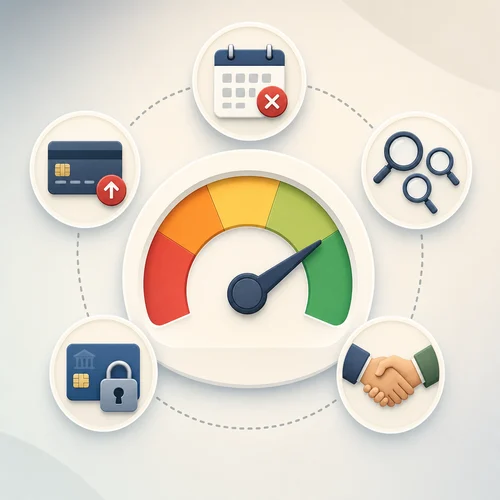
When you're standing on the brink of home ownership, the array of loan options might appear daunting. However, gaining a clear understanding of these options empowers you to make informed decisions. Each loan type comes with its own set of advantages and considerations, catering to diverse financial situations and goals.
Choosing the right home loan isn't solely about securing funds to purchase your house. It's also about aligning with your financial aims and setting up a solid foundation for your future. The loan you choose can significantly impact your long-term financial health, affecting everything from monthly budget adjustments to savings for your retirement.
Understanding Fixed Rate Loans
When considering your home loan options, a fixed rate loan is often one of the first choices to come up. But what exactly is a fixed rate loan? In essence, this type of loan locks in your interest rate for a set period, commonly ranging from one to five years, although longer terms can be available. This means that your repayment amount remains constant during the fixed term, providing predictability and stability in your budgeting.
One of the key advantages of a fixed rate loan is the protection it offers against fluctuations in interest rates. If market rates rise, your loan repayments won't increase, potentially saving you money over time. Additionally, this stability can aid in financial planning, as it allows you to anticipate your monthly outlays with greater certainty.
However, this predictability comes with some trade-offs. Fixed rate loans generally offer less flexibility than variable rate loans, often imposing penalties for early repayments or additional restrictions around refinancing. Moreover, if interest rates fall, you'll still be locked into the higher rate, potentially costing you more in the long run.
Fixed rate loans can be particularly beneficial in situations where interest rates are low and expected to rise, or when you require precise budgeting due to fixed incomes or tight financial circumstances. They can provide peace of mind and financial stability, especially for first-time buyers navigating the uncertainties of home ownership.
Exploring Variable Rate Loans
Variable rate loans are another popular home loan option, often standing out due to their inherent flexibility. Unlike fixed rate loans, the interest rate for variable rate loans can change over time. These fluctuations are typically influenced by the Reserve Bank of Australia's (RBA) cash rate, which means your repayments can rise or fall along with any changes in the RBA's economic policies.
One of the main benefits of choosing a variable rate loan is the potential to save money if interest rates drop. You could enjoy lower monthly repayments, which can ease your financial burden. Variable loans often also allow for extra repayments without penalties, giving you the freedom to pay off your loan faster if your financial situation allows.
However, the key drawback is the unpredictability associated with variable rate loans. An increase in interest rates can lead to higher monthly repayments, which might strain your budget. This variability necessitates careful financial planning and a buffer to accommodate higher costs if they arise unexpectedly.
Variable rate loans can be advantageous in a stable or declining market where interest rates are expected to decrease. They're also suitable for those who have some flexibility in their budget and want the option to make additional payments. For first-time buyers who appreciate flexibility and have room in their budget for potential increases, a variable rate loan can be a fitting choice.
Diving into Interest-Only Loans
An interest-only loan is a unique type of home loan that allows you to pay only the interest on the loan for a specific period, usually between five to ten years. During this time, your monthly repayments are significantly lower, as you're not required to pay down the principal amount. Once the interest-only period concludes, you will need to start paying both the principal and the interest, which raises your monthly repayment amount.
Interest-only loans can be particularly attractive due to their lower initial repayments. This can free up cash flow, making them suitable for borrowers who prefer to keep their monthly expenses low initially. This type of loan can also be beneficial if you plan to sell the property or expect a significant increase in income before the interest-only period ends.
However, it's important to understand the trade-offs involved. Since you're not reducing the principal during the interest-only period, the full amount remains outstanding, which could result in higher overall interest costs in the long run. There's also the risk that property values may not increase as expected, potentially affecting equity.
Interest-only loans are often considered by property investors seeking to maximize tax deductions on income properties, or by individuals expecting a short-term financial boost. They're best suited for those who are confident in their financial planning and understand the potential implications of managing larger payments once the interest-only period transitions to principal plus interest repayments.
An Overview of Low Deposit Loans
For many first-time home buyers, saving for a deposit can be one of the largest obstacles to home ownership. This is where low deposit loans provide an enticing opportunity. With these loans, buyers can secure a property with a smaller initial down payment, sometimes as low as 5% of the property's value. This can help fast-track the home buying journey by allowing you to get on the property ladder sooner than waiting to save up a larger deposit.
Low deposit loans come with both advantages and disadvantages. On the positive side, they make it easier for individuals with limited savings to purchase a home, lowering the financial barrier to entry. It can also mean shorter waiting times and potentially the chance to enter the property market before prices rise further.
However, there are some drawbacks to consider. A smaller deposit often translates into higher interest rates and larger monthly repayments. Additionally, because of the increased risk to lenders, borrowers typically need to pay for Lenders Mortgage Insurance (LMI). This insurance protects the lender in case you default on your loan, but it's an additional cost for you, the borrower.
Lenders Mortgage Insurance can significantly impact the total amount you'll need to borrow and repay. It's essential to weigh the benefits of entering the market sooner with the costs associated with LMI and potentially higher loan repayments. Low deposit loans can be a viable option for those eager to own their first home, provided they fully understand the financial implications and have a solid plan to manage the associated costs.
Demystifying Low Doc Loans
Low doc loans, or low documentation loans, are designed for borrowers who may not have the standard income documentation typically required by lenders. This type of loan is particularly beneficial for self-employed individuals, freelancers, or business owners who have complex or irregular income streams. Instead of traditional proof of income, such as pay slips or tax returns, borrowers often need to provide alternative documentation like business activity statements or an accountant's declaration.
Low doc loans can be a suitable option when traditional income verification isn't possible, yet you are keen to enter the property market. They provide a pathway to home ownership or property investment, even when your income documentation does not fit conventional criteria. This flexibility can be a lifeline for those whose financial situations deviate from the norm but still possess the means to meet repayment obligations.
However, there are several considerations and risks associated with low doc loans that borrowers should be aware of. One main consideration is that these loans often come with higher interest rates and fees, reflecting the increased risk taken on by the lender. Additionally, borrowing limits might be lower, and there may be stricter lending criteria to navigate.
Considering these factors, it's crucial for potential borrowers to thoroughly assess their financial situation and ensure they can manage the commitments of a low doc loan. Consulting with financial advisors or mortgage brokers experienced with low doc loans can provide valuable insights and help you make a well-informed decision that aligns with your long-term financial goals.
Comparing Offset Account Loans
Offset account loans offer a unique method to reduce your home loan interest, providing a financial advantage for savvy homeowners. But how exactly does an offset account work? Fundamentally, an offset account functions like a savings or transaction account linked to your home loan. The balance in this account effectively offsets the balance on your loan, reducing the interest you pay.
To elaborate, if you have a home loan balance of $400,000 and maintain $20,000 in your offset account, you will only be charged interest on $380,000. This reduction in interest charges means you can pay off your loan quicker while potentially lowering your monthly repayments. Essentially, the more money you have in your offset account, the more substantial your savings on interest will be.
Offset accounts offer several appealing benefits, particularly for those who can keep a sizable balance in their account. Besides reducing home loan interest, it provides liquidity, allowing you to access funds at any time without penalty. This can be especially beneficial for managing unexpected expenses or taking advantage of investment opportunities.
However, there are potential limitations to consider. Offset accounts sometimes come with higher fees or interest rates compared to standard loans. The financial benefits largely depend on how much you can maintain in the offset account. For those who tend to operate on a tight budget, the advantages may not outweigh the potential costs. It's crucial to evaluate your financial situation and habits to determine if an offset account loan aligns with your goals. Consulting a financial advisor could provide deeper insights tailored to your circumstances.
Making an Informed Decision
Steps to take when comparing different loan types
Embarking on the journey of selecting your first home loan involves careful consideration and comparison of various loan types. Begin by clearly assessing your financial situation and long-term goals. This involves calculating your budget, understanding your repayment capacity, and deciding how much financial flexibility you require.
Create a detailed list of the features you desire in a home loan, such as fixed interest rates, flexible repayments, or additional features like offset accounts. Shortlist the loan types that align with these prerequisites and conduct thorough research on each one.
Utilizing online resources and professional advice for loan comparisons
The digital age offers countless resources to aid in your decision-making process. Use online loan comparison tools to gauge the costs and features of different options side by side. These platforms often provide valuable insights like comparison rates and estimated repayments.
Consulting with a financial advisor or mortgage broker can also be incredibly beneficial. These professionals bring expertise and can guide you towards options best suited to your unique circumstances. They can also clarify complex terms and conditions you might encounter during your research.
Common mistakes to avoid when choosing a loan
Avoid rushing into a decision without fully understanding the implications of your chosen loan type. Overlooking additional fees and costs, such as exit fees or Lenders Mortgage Insurance, can also negatively impact your finances in the long run.
It's crucial not to focus solely on the interest rate, as the overall structure and flexibility of the loan are equally vital. Lastly, avoid assuming that one type of loan fits all; what works for others may not necessarily be the best option for you. Tailor your choice to your specific financial objectives and lifestyle.
Conclusion
Choosing the right home loan is a crucial step towards securing your financial future and achieving your home ownership dreams. As we've explored in this article, each loan type offers different benefits and considerations, making it integral to assess which fits best with your personal circumstances. Aligning your choice with your financial goals can provide peace of mind and stability.
We encourage you to take proactive steps in evaluating your financial situation. Consider your current budget, future earning potential, and any specific needs or preferences you may have when it comes to loan features. Being informed and prepared can greatly enhance your confidence as you venture into the property market.
For first-time homebuyers in Australia, it's important to stay informed and remain flexible. Stay abreast of market trends and be open to adjusting your plans as needed. Remember, the home loan you choose is not just a financial product; it's a cornerstone of your future. Seeking advice from professionals and using available resources can further empower you to make a well-considered, informed decision. Here's to taking that exciting step towards home ownership, with a loan that truly aligns with your life's goals.
Published: Tuesday 16th December, 2025
Last updated: Tuesday 16th December, 2025