Boating is an exhilarating experience, offering freedom and exploration, but it's not without its responsibilities. Ensuring you understand and adhere to the compliance requirements is crucial for a safe and enjoyable journey.
Before you set sail, it's vital to be aware of all safety measures and legal obligations. In this article, we'll walk you through the basics of boat compliance and help prepare you for every boating excursion.
Understanding Your Obligations Under Marine Regulations
Navigating the waters of marine regulations is essential for any boat owner in Australia. Whether you're piloting a sailboat, motorboat, or personal watercraft, understanding your obligations is the first step towards safe and compliant boating.
The registration requirements vary depending on the type and size of your vessel. Smaller boats may only require a simple registration process, while larger crafts often need a more detailed documentation and inspection regimen. It's important to know where your vessel fits within these categories to ensure full compliance.
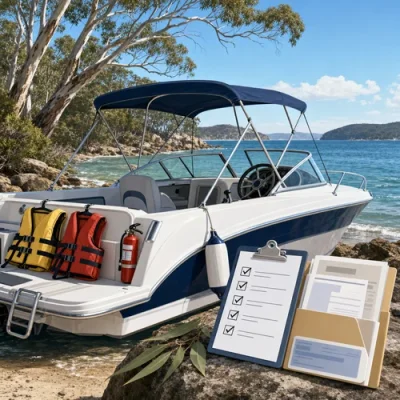
Safety is paramount, and as a boat owner, you must stock your vessel with mandatory safety equipment. Life jackets, flares, and fire extinguishers are just a few items that must be onboard, and regular inspections are necessary to confirm they are in working order.
Environmental regulations also play a crucial role in boating. These rules are designed to protect Australia's diverse aquatic ecosystems. Proper waste management and fuel use are mandatory to minimize environmental impact. Staying informed on these regulations helps preserve the environment for future generations of boaters.
The Process of Obtaining Necessary Permits
Embarking on your boating journey in Australia requires the right permits. Navigating the application process may seem daunting, but breaking it down step-by-step can simplify the task.
First, you'll need to identify the specific type of permit your vessel requires. This is usually determined by the size and use of your boat. Visit the official government website dealing with maritime affairs to get the most accurate information regarding applicable permits.
Once you've identified the necessary permit, gather the required documents, often including proof of ownership, identification, and a safety equipment checklist. Having these documents ready before starting the process can save time and reduce the likelihood of errors.
Submitting the application can typically be done online or via mail, depending on regional regulations. Be prepared for associated fees, which vary depending on the vessel and its intended use. The duration for processing permits also varies, so plan accordingly to ensure you're set for your boating adventures.
Being proactive about understanding the necessary permits and preparing for the application process can pave the way for smooth sailing. Remember, securing the right permits is not only a legal obligation but also crucial for a responsible boating experience.
Complying with Safety Standards and Equipment
Checklist of Essential Safety Equipment On Board
Ensuring your boat is equipped with essential safety gear is not just a legal requirement in Australia—it's a key step in safeguarding those on board. The Australian Maritime Safety Authority mandates that all vessels carry specific safety equipment tailored to the size and nature of the boat and its voyages.
Your safety checklist should include items such as life jackets for every passenger, flares for signaling in emergencies, a working fire extinguisher, and appropriate navigation lights. It’s also advisable to have a first aid kit, an anchor, and a sound signaling device to alert other vessels of your presence.
Importance of Regular Safety Checks and Audits
Even with the right equipment on board, regular checks and maintenance are vital. Conduct systematic audits to ensure all safety gear is in good working condition, and replace items as needed. Periodic inspections can prevent equipment failure during critical moments, keeping you prepared for any situation.
Maintaining an updated safety equipment registry can also be beneficial, providing quick access during audits and ensuring no items are overlooked.
Training Requirements for Safe Boating Practices
Knowledge is power—and safety. Regular training in boating safety and equipment use is invaluable. Understanding how to deploy a life raft, use flares effectively, or administer first aid makes a significant difference in emergencies.
Consider attending safety workshops or courses provided by local marine authorities or boating clubs. They offer practical insights and simulations that can enhance your preparedness on the water.
Managing and Financing Boat Compliance Requirements
Financial Considerations for Maintaining Compliance
Keeping your boat compliant with Australian regulations involves an array of financial responsibilities. From regular maintenance and safety checks to the acquisition of necessary equipment, these costs can add up. It's crucial for boat owners to budget for these expenses as an ongoing commitment, ensuring that your vessel remains seaworthy and compliant at all times.
Planning and prioritizing expenditures help in managing these costs effectively. Allocating funds specifically for compliance-related needs ensures that you're not caught off guard by unexpected expenses, such as emergency repairs or equipment upgrades. A proactive approach to budgeting can alleviate the financial pressures associated with boating.
Available Financing Options for Safety Upgrades and Equipment
If the costs of upgrades or new safety equipment seem daunting, exploring various financing options can provide relief. Many financial institutions offer loans specifically for marine purposes, which can be tailored to include compliance-related items. Look for competitive interest rates and flexible repayment terms that align with your financial situation.
Some lenders may even offer specific loans for safety equipment, making it more accessible to all boat owners to ensure their vessels meet safety standards. It's worthwhile to shop around and consult with financial advisors who understand the nuances of marine finance.
Role of Insurance in Ensuring Compliance
Insurance plays a pivotal role in managing the financial risks associated with boating. A comprehensive insurance policy not only protects against accidents and damage but also reinforces compliance with relevant laws and regulations. Having proper insurance coverage can compensate for financial liabilities arising from non-compliance, whether through fines or unforeseen mishaps.
When choosing an insurance policy, consider one that includes coverage for liability, equipment damage, and legal compliance. This can offer peace of mind, knowing that your financial bases are covered, and your compliance efforts are supported by robust insurance protection.
Impact of Non-Compliance
Legal Consequences of Failing to Comply with Regulations
Boating in Australia is governed by a stringent set of laws and regulations, designed to ensure safety and environmental protection. Failing to comply with these regulations can result in serious legal consequences. These may include hefty fines, suspension of your boating license, or even seizure of your vessel in severe cases of non-compliance.
The Australian Maritime Safety Authority and local maritime agencies enforce these laws diligently. It’s imperative for boat owners to stay informed and adhere to all legal requirements to avoid these repercussions.
Financial Implications, Including Potential Fines and Penalties
Non-compliance doesn't only carry legal consequences—it can also have significant financial repercussions. Fines for violating boating laws can be substantial, potentially costing thousands of dollars. These financial penalties can arise from various compliance failures, such as insufficient safety equipment, lack of proper registration, or environmental infractions.
Beyond immediate fines, ongoing non-compliance might escalate into costlier legal battles. Being proactive about compliance is a crucial financial strategy to avoid these penalties.
Long-Term Effects on Boat Financing and Ownership
Maintaining compliance has long-term impacts on your ability to secure competitive financing for your boat. Lenders may view non-compliance negatively, perceiving it as a risk, which could affect your chances of obtaining favorable loan terms or insurance rates.
Continual non-compliance could lead to increased insurance premiums or even denial of renewal. Additionally, the resale value of a non-compliant vessel may decrease, affecting your investment. Staying compliant not only protects your current financial state but also safeguards your future in boat ownership.
Resources for Australian Boaters
Government Websites and Informational Portals
Australian boaters have a wealth of resources at their fingertips through various government websites. The Australian Maritime Safety Authority (AMSA) offers comprehensive guides on safety standards, registration, and compliance requirements. Their online platform is user-friendly and filled with updated information ideal for new and experienced boaters alike.
Additionally, the Bureau of Meteorology provides essential weather forecasts and tidal information, crucial for planning safe boating trips. Accessing these resources helps ensure that you're informed and prepared for your adventures on the water.
Community Resources and Boating Associations
Involvement in local boating communities can be incredibly beneficial. Joining boating clubs and associations like the Boating Industry Association (BIA) can offer support, advice, and networking opportunities. These communities often host events, workshops, and seminars focused on boating safety, compliance, and environmental stewardship.
Engaging with experienced members can provide insights and tips that aren't always found online, enhancing your knowledge and ensuring you're connected with fellow enthusiasts.
Professional Services for Advice and Assistance
Sometimes, professional guidance can make navigating compliance far more manageable. Marine consultants and legal experts specializing in maritime law offer tailored advice to help you meet all regulatory requirements. Services such as safety audits, equipment checks, and registration assistance are invaluable, particularly if you're new to boating.
Consulting with professionals not only enhances your understanding of compliance but also ensures you're adhering to best practices, which can be essential in avoiding unnecessary fines and penalties while promoting a safer boating environment.
Responsible Boating
As we've explored, meeting your obligations under Australian boating law is essential not only for your safety but also for the safety of the vibrant ecosystems we cherish. From understanding the basics of marine regulations and equipping your vessel with necessary safety gear, each step towards compliance is vital.
Embracing proactive management of these requirements ensures you're not only compliant but also prepared for the myriad conditions you might encounter on the water. This includes conducting regular equipment checks, understanding weather patterns, and staying informed about the latest regulations.
If you're considering purchasing a boat, consulting with experts can provide invaluable insights into the compliance landscape. Engaging with marine professionals, whether they are legal advisors, insurance consultants, or financial experts, can streamline your journey into responsible boat ownership.
We encourage you to reach out, ask questions, and ensure your decisions are informed. Not only does this safeguard your investment, but it also reinforces a culture of safe and enjoyable boating for everyone in the community. Here's to many safe and thrilling adventures on the open water!
Published: Thursday 11th December, 2025
Last updated: Thursday 11th December, 2025