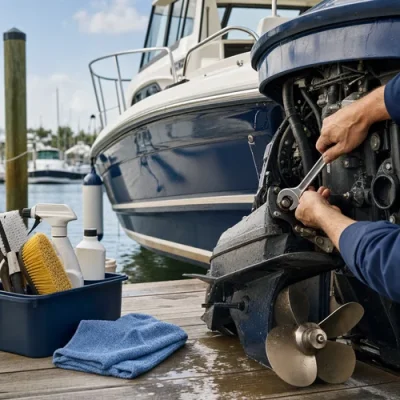
The primary benefits of consistent maintenance are boosting your boat's longevity, improving performance, and enhancing resale value. Longevity ensures your boat remains a reliable friend for years, while optimal performance means smoother trips and fewer technical headaches. Should you ever decide to sell, a well-maintained boat fetches a better price, appealing to discerning buyers looking for value.
So, how often should you maintain your boat? While the frequency varies by usage and type, conducting a thorough check annually is a good rule of thumb. However, whenever your boat experiences heavy use, or the seasons change, smaller maintenance tasks should be on your radar. Keeping a regular schedule aligns with both the natural wear and tear patterns and the Australian seasonal shifts, ensuring your boat is always in tip-top shape.
Inspection and Cleaning
Routine inspection and cleaning are the cornerstones of effective boat maintenance. Before setting sail, it's important to perform visual checks for wear and tear. Assess critical areas such as the hull, deck, and any moving parts. Look for signs of damage, including cracks, scratches, or rust, which may indicate more serious underlying issues. Pay attention to the rigging and fittings, ensuring everything is securely tightened and in good condition.
When it comes to cleaning, a thorough approach keeps your boat looking great and functioning smoothly. Start with the hull by using a boat cleaner compatible with your vessel's material. Scrub the surface to remove algae and grime and rinse thoroughly after washing. For the deck, sweep away debris before scrubbing with a soft brush and appropriate cleaning solution.
Cleaning the interior is just as important. Vacuum carpets, wipe down surfaces, and check for leaks or mildew. Speaking of which, preventing corrosion and mildew is crucial. Use quality marine sealants to create watertight seals, and invest in dehumidifiers to keep the cabin dry. Regularly applying anti-corrosion sprays protects metal parts, prolonging their lifespan and maintaining reliability.
Engine Maintenance and Performance
Your boat's engine is its heart, and keeping it in prime condition is essential for both longevity and performance. A critical step in engine maintenance is conducting regular checks on the oil and fuel systems. Just like with a car, the oil in your boat's engine should be changed according to the manufacturer's recommendations. This helps maintain lubrication and prevents engine wear.
When it comes to the fuel system, ensuring everything is clean and free from debris is crucial. Check for any signs of blockages or leaks that could potentially disrupt performance. If your boat is left idle for an extended period, consider using a fuel stabilizer to prevent the fuel from degrading and clogging the system.
Equally important is the coolant system, which prevents the engine from overheating. Regularly inspect the coolant levels and top up when necessary. Check hoses and connections for any signs of wear, and replace if needed to avoid leaks or bursts.
While regular checks can be done by yourself, professional servicing provides an expert eye for potential issues. Scheduling routine professional maintenance ensures that any emerging problems are addressed early. If you're troubleshooting minor hiccups, such as starting issues or unusual noises, refer to the owner's manual for guidance, but don't hesitate to consult a professional if needed.
Electrical Systems and Battery Care
The electrical systems of your boat play a vital role in ensuring a smooth and enjoyable experience on the water. Regularly checking electrical connections and wiring is an essential safety measure. Look out for signs of frayed wires or corrosion. Any compromised connections can lead to functional failures or pose safety risks.
To ensure all systems are go, inspect the condition of all fuses and switches. Make sure your boat's navigation lights and other electrical components, like bilge pumps and radios, are in good working order. Poorly maintained electrical systems can lead to costly repairs, so early checks are paramount.
Battery maintenance is another crucial aspect of electrical care. Regularly check the charge levels to avoid being stranded unexpectedly. It's advisable to invest in a quality battery charger suitable for marine batteries. When storing your boat for long periods, disconnect the battery and store it in a cool, dry place to prolong its life.
Upgrading your boat’s electronics and navigation systems can enhance your overall boating experience. Whether it's a GPS, depth sounder, or fish finder, ensure all devices are correctly installed and maintained. Keep software updated to benefit from the latest features and improvements. An annual electronics check can save you from unanticipated failures when it's most inconvenient.
Hull and Propeller Maintenance
The hull is the foundation of your boat, and keeping it in excellent condition is crucial for performance and safety. Start by inspecting the hull for any visible signs of damage, such as dents, blisters, or cracks. These can be caused by impacts or prolonged exposure to harsh elements. Regularly examine your hull after each trip and seasonally, especially if you navigate rocky or shallow waters, where the potential for damage increases.
If you find any issues, address them promptly. Minor cosmetic problems can often be remedied with a bit of sanding and a fresh coat of marine-grade paint. For more severe damage, consider consulting a professional to ensure repairs are done correctly, maintaining the integrity of your vessel.
Propeller care is equally important, as it's key to your boat's performance and fuel efficiency. Regularly check the propeller for dings, cracks, or distortion, which can adversely affect the handling and performance of your boat. Ensure the nuts and bolts securing the propeller are tight. Cleaning barnacles and marine growth from the propeller's surface improves efficiency and reduces wear and tear.
Anti-fouling treatments protect your hull from marine growth and extend its lifespan. In warmer Australian waters, marine organisms can quickly accumulate, impacting performance. Applying an anti-fouling paint annually, or more often if needed, reduces growth and protects your investment. Timing can depend on your location and the amount of time your vessel is in the water, so adjust accordingly for optimal results.
Sails, Rigging, and Deck Gear
Inspection and maintenance of your boat's sails and rigging are essential for ensuring your vessel performs optimally and safely. Regular checks allow you to spot potential weak points early, preventing tears or failures at sea. Inspect sails for any signs of wear or damage, such as fraying or holes, and repair them promptly to avoid further deterioration. Pay special attention to stitching and seams, which are prone to stress.
Rigging maintenance is equally important. Examine all cables and fittings for rust, corrosion, or fatigue. Replace any compromised components to maintain tension integrity and ensure your mast remains secure. If you're not confident in your ability to assess the rigging's condition, consider hiring a rigger for a professional inspection.
Routine checks and lubrication of deck gear such as winches, pulleys, and tracks can enhance performance and extend their lifespan. Use marine-grade lubricants to keep moving parts functioning smoothly. Ensure all fastenings are tightened and free of corrosion to maintain reliability under load.
When preparing for off-season storage, winterising your sails and deck gear is crucial. Thoroughly clean and dry sails before folding them away to prevent mildew and rot. Store them in a dry, cool place. Likewise, cover deck gear with weather-resistant tarpaulins to shield it from the elements and reduce wear during periods of inactivity. These careful measures help ensure your boat is ready to set sail when the season resumes.
Storage and Off-Season Maintenance
Proper storage is essential to protect your boat and ensure it's ready for the next season. Whether you choose dry storage or a marina slip, applying best storage practices can greatly affect your vessel's longevity. If opting for dry storage, make sure your boat is cleaned and covered with a high-quality, breathable cover to prevent moisture accumulation and UV damage.
For those storing at a marina, regularly check that moorings and fenders are secure. Ensure that all hatches and windows are sealed tightly to avoid water ingress. Also, consider removing valuable electronics and other appurtenances to prevent theft or weather-related damage during the off-season.
Off-season tasks to prepare for the next boating season
Preparing your boat for the off-season involves a series of important tasks. Drain the fuel or use additives to stabilize it, preventing degradation. Flush out the engine with fresh water to eliminate salt and contaminants, then add anti-freeze if you're in cooler climates.
Ensure all freshwater and waste systems are thoroughly flushed and drained to prevent freezing and bacterial growth. Conduct a final inspection for leaks or damage, addressing any found issues. These preventive actions facilitate a seamless transition back to the water when the boating season recommences.
Insurance considerations for stored boats
While your boat is in storage, it remains vital to maintain comprehensive insurance coverage. Consult with your provider to adjust your policy if necessary. Make sure it covers damage that could occur during storage, including theft, vandalism, and environmental incidents like flooding or storms.
Some policies offer specific off-season storage endorsements, potentially reducing premiums. Confirm your understanding of policy specifications related to storage conditions, and keep documentation updated. These steps ensure peace of mind that your boat investment remains protected year-round.
Conclusion: Keep Your Boat in Top Condition
In conclusion, maintaining your boat is about more than just keeping it afloat—it's about ensuring longevity, enhancing performance, and preserving its value. Regular boat maintenance is a commitment that pays off by protecting your investment, improving safety, and enhancing enjoyment on the water.
Throughout this article, we’ve delved into essential maintenance tasks such as frequent inspections and cleaning, engine and electrical care, and the upkeep of sails, rigging, and hulls. We've also highlighted the importance of proper storage and off-season maintenance, alongside the need for appropriate insurance coverage throughout the year.
By keeping up with routine maintenance, you assure not only the well-being of your boat but also take pride in its condition. This proactive approach reduces the odds of unexpected failures and ensures your vessel is always ready when adventure calls.
For those seeking further guidance, consider reaching out to marine professionals or exploring additional resources. Whether it’s scheduling a service with a marine mechanic or consulting with your local boating community, expert advice is invaluable. Your commitment to regular upkeep keeps both you and your boat cruising smoothly through every adventure.
Published: Thursday 11th December, 2025
Last updated: Thursday 11th December, 2025