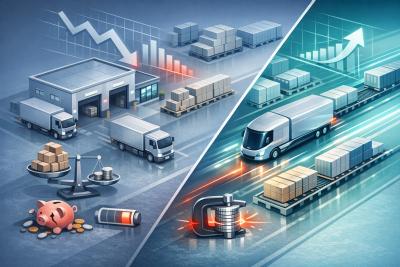

The logistics sector exemplifies this trend, experiencing a 4.2% year-on-year decrease in overall credit demand and an 11.6% drop in business loan demand. This decline suggests that logistics SMEs are shifting their focus from growth initiatives to short-term operational survival strategies.
Several factors contribute to the financial challenges faced by logistics SMEs:
- Interest Rate Increases: Rising interest rates have escalated borrowing costs, making it more expensive for SMEs to access necessary funds.
- Persistent Inflation: Ongoing inflationary pressures have increased operational expenses, squeezing profit margins for small businesses.
- Global Events: International disruptions have further impacted supply chains and operational stability, disproportionately affecting smaller operators.
Brad Walters, General Manager of Commercial at Equifax, notes that smaller operators are likely feeling the cumulative weight of these factors more acutely, as they may lack the resources to absorb potential shocks as easily as their larger counterparts.
To navigate these challenges, logistics SMEs should consider the following strategies:
- Strengthen Financial Management: Implement robust budgeting and forecasting practices to better manage cash flow and anticipate financial needs.
- Explore Alternative Financing: Investigate non-traditional lending options that may offer more flexible terms suited to SMEs.
- Enhance Operational Efficiency: Identify areas where cost reductions can be achieved without compromising service quality, such as optimising supply chain processes.
By proactively addressing these areas, logistics SMEs can better position themselves to withstand the pressures of a two-speed economy and work towards sustainable growth.
Please Note: If this information affects you or is relevant to your circumstances, seek advice from a licensed professional.