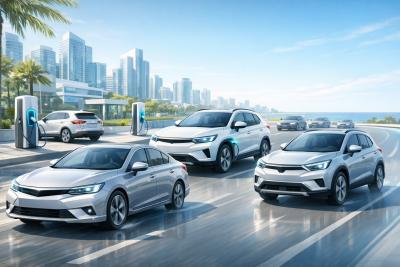

In November 2025, PHEV sales reached 4,768 units, marking an 83.3% increase compared to the same month in the previous year. This substantial growth indicates a growing consumer interest in vehicles that offer both electric and conventional fuel capabilities, providing flexibility and reduced emissions.
Conversely, petrol vehicle sales have seen a notable downturn, decreasing by 18.1% in November 2025 compared to November 2024. This decline reflects a broader trend of consumers moving away from traditional internal combustion engine vehicles in favor of more sustainable alternatives.
Several factors contribute to this shift. The increasing availability of PHEV models across various segments provides consumers with more choices that align with their preferences and needs. Additionally, heightened environmental awareness and the desire to reduce carbon footprints are influencing purchasing decisions.
Government incentives and policies promoting the adoption of low-emission vehicles also play a crucial role. These measures make PHEVs more financially accessible to a broader range of consumers, further driving their popularity.
Industry experts suggest that the trend towards electrified vehicles is likely to continue as technology advances and infrastructure improves. Consumers are encouraged to consider the long-term benefits of PHEVs, including potential fuel savings and reduced environmental impact.
For those contemplating a vehicle purchase, exploring PHEV options could offer a balanced solution between traditional petrol vehicles and fully electric models, combining the advantages of both technologies.
Published: Thursday 5th February, 2026
Please Note: If this information affects you or is relevant to your circumstances, seek advice from a licensed professional.