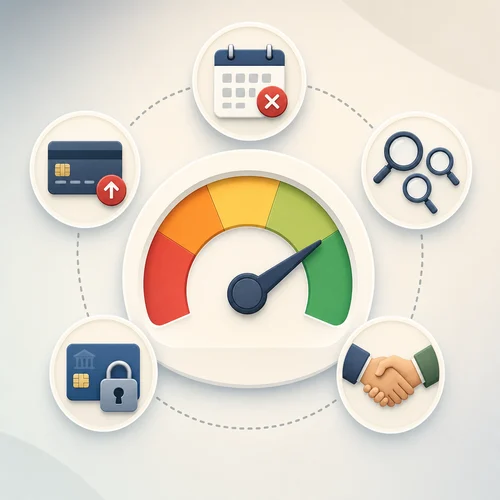
One critical aspect that often gets overlooked by first-time buyers is the importance of understanding your credit score. Your credit score is more than just a number; it's a reflection of your creditworthiness and plays a pivotal role in determining the home loan you might be eligible for. Lenders scrutinize credit scores when considering loan applications, making it imperative for prospective buyers to have a good grasp of their credit standing.
This article aims to shed light on why your credit score matters in your journey to acquiring your first home. We'll explore how a strong credit score can influence the home-buying process, potentially opening up better loan options and even impacting the kind of home you can afford. So, let’s dive in to ensure your home buying experience is a successful one!
What is a Credit Score?
A credit score is a numerical representation of your creditworthiness, essentially reflecting how reliable you are in repaying borrowed money. In Australia, your credit score plays a vital role when it comes to lending scenarios, such as applying for a mortgage. It's a figure that helps lenders assess the risk of lending to you.
Your credit score is calculated based on various factors. These can include your history of making bill and loan payments, the level of debt you currently have, the number of credit applications you have made recently, and any significant negative financial events, such as bankruptcy or defaults. Each of these elements contributes to an overall picture of your financial reliability.
In Australia, credit scores typically fall into ranges that can indicate your level of creditworthiness: excellent, very good, good, average, and below average. Generally, a higher score suggests lower risk to lenders and could result in better loan conditions, like lower interest rates. Understanding where your credit score falls within these ranges is key to knowing what options might be available to you when buying your first home.
Why Your Credit Score Matters When Buying a Home
Your credit score isn't just a number; it's a crucial component in the home-buying process. It significantly influences whether you'll be approved for a mortgage. Lenders rely on this score to determine if you're a trustworthy borrower, capable of repaying the loan on time. A higher credit score can make your application stand out, potentially leading to mortgage approval with less hassle.
Beyond just approval, your credit score plays a pivotal role in the mortgage terms you're offered. It can impact the interest rate you receive. Generally, the higher your credit score, the lower the interest rates you might be eligible for. This can mean substantial savings over the life of your mortgage, making your monthly payments more manageable.
Your credit score also affects your purchasing power and budget planning. A better score can enhance your borrowing capacity, allowing you to consider a broader range of properties. In contrast, a low credit score might limit your options, necessitating a more modest budget. Being proactive about maintaining or improving your credit score can thus expand your home-buying possibilities and ensure that you can plan your finances with greater confidence.
How Lenders View Credit Scores
When considering home loan applications, lenders meticulously assess credit scores as a measure of an applicant's creditworthiness. They don't just look at the score in isolation but evaluate it alongside other financial indicators. The score gives them an overview of your credit history, including how promptly you’ve paid off past debts and how you manage existing credit obligations.
In the eyes of the lender, a credit score is a tool that helps gauge how risky it would be to loan you money. The premise is simple: the higher your credit score, the lower the perceived risk, and vice versa. This risk assessment influences the loan terms you’re offered. A high credit score can lead to more favourable conditions, such as lower interest rates and higher borrowing limits. Conversely, a lower score might result in stricter terms or even denial of loan applications.
To put it in perspective, someone with a credit score classified as 'excellent' might receive multiple loan offers with competitive interest rates, while an individual with a 'below average' score might struggle to secure a loan without stringent conditions. This impact means your credit score doesn't just affect your eligibility but also the financial implications of the mortgage over time. Understanding how lenders interpret these scores can empower you to take steps to improve your score, thereby expanding your financing options when you're ready to purchase your first home.
Steps to Improve Your Credit Score
Improving your credit score is an essential step in preparing to buy your first home. It starts with checking and understanding your current credit standing. In Australia, you can request a free credit report from major credit reporting agencies like Equifax, Experian, or illion. It's crucial to review your report for accuracy, ensuring there are no errors or outdated information that could be affecting your score.
Once you're familiar with your current credit score, the next step is to adopt strategies to boost it. Begin by ensuring all your bills and loan payments are made on time. Consistent, timely payments can have a positive impact on your score over time. Reducing any outstanding debt is another effective strategy; try to pay down credit card balances and avoid accruing new debt whenever possible.
It's equally important to manage your credit applications wisely. Avoid applying for multiple credit lines around the same time, as each application can trigger a hard inquiry, potentially lowering your score. Instead, focus on maintaining a balance between different types of credit and only apply for new credit when necessary.
Lastly, be mindful of common pitfalls that can harm your credit score. These include missing due dates for bill payments and allowing debt to build up without a repayment plan. By being proactive about managing your credit, you can maintain a healthy credit score, positioning yourself more favorably when seeking home financing.
Real-Life Examples
Case Study: A Young Australian Successfully Navigating Credit Challenges
Meet Sarah, a 29-year-old from Sydney. Like many young Australians, Sarah dreamt of owning her first home but faced some credit challenges early in her journey. Several years back, Sarah struggled with managing credit card debts, which led to a lower than desired credit score. Determined to turn her financial situation around, she sought professional advice and began meticulously managing her finances. By sticking to a strict budget and making regular, timely payments, she significantly improved her credit score over two years.
Sarah's efforts were rewarded when she applied for a home loan. Lenders recognized her improved credit standing and offered her competitive interest rates, enabling her to secure a mortgage for her first home. Sarah's perseverance demonstrates that with dedication, young buyers can overcome credit challenges and achieve their home ownership dreams.
Expert Insights and Testimonials
Financial advisors emphasize the importance of understanding your credit score and its impact on home loan applications. According to John, a mortgage expert from Melbourne, "A good credit score not only increases the likelihood of loan approval but also offers leverage in negotiating better loan terms." Testimonials from first-time buyers echo this sentiment. Many share stories of how improving their credit scores opened doors to more favorable housing loan options.
Key Takeaways from Real-World Scenarios
The stories of successful home buyers like Sarah teach us that while credit challenges can seem daunting, they are not insurmountable. Key takeaways include the need for consistent financial discipline, the advantages of seeking expert advice, and the importance of patience and perseverance. These real-world scenarios serve as a reminder that making smart financial choices today sets the foundation for achieving long-term goals, such as buying your first home in Australia.
Conclusion: Taking the First Step Towards Home Ownership
In this article, we delved into the critical role your credit score plays in the journey to buying your first home. We explored how understanding and improving your credit score can lead to better loan conditions and a smoother mortgage approval process. From explaining what a credit score is to sharing real-life case studies, we underscored the direct impact of creditworthiness on your home-buying possibilities.
Beyond just understanding your credit score, we emphasized the importance of proactively managing it. By taking concrete steps to improve your credit standing—such as making timely payments and reducing debt—you can empower yourself with more financing options. This effort not only increases your chances of securing a mortgage but also enhances your negotiating position for more favorable terms.
The journey to home ownership begins with taking control of your financial health. We encourage you to start your credit improvement journey today. Whether it's checking your current score or setting financial goals for the future, every step counts. Remember, informed and proactive financial decisions pave the way for achieving the dream of owning your first home. Reach out to a financial advisor to get personalized guidance tailored to your unique situation and start turning your home ownership dreams into reality.
Additional Resources
Embarking on the journey to buy your first home can feel overwhelming, but leveraging the right resources can make a significant difference. To aid you in understanding and improving your credit score, here are some useful tools and readings:
Links to Credit Score Tools and Calculators
Online credit score tools and calculators are invaluable for tracking and managing your credit standing. Websites like CreditSmart and Canstar offer calculators that help you estimate your potential credit score and evaluate how changes in your financial behavior can impact it. These tools provide a clearer picture of where you stand and what you can do to improve your creditworthiness.
Recommended Readings and Guides
For those looking to deepen their understanding, several resources offer comprehensive insights into managing credit. The Australian Securities and Investments Commission (ASIC) provides a range of materials on its Moneysmart website, offering free, government-endorsed financial guidance tailored to consumers. Books like "The Barefoot Investor" by Scott Pape also deliver practical advice on navigating personal finance, including managing credit.
Contact Information for Professional Advice
If you need personalized help navigating your credit score, consider reaching out to financial advisors who specialize in mortgage preparation. Companies like Aussie Home Loans and Mortgage Choice offer consultations specifically for first-time buyers seeking guidance. Contacting a professional can provide tailored strategies to optimize your credit health, smoothing your path to home ownership.
Published: Wednesday 24th December, 2025
Last updated: Wednesday 24th December, 2025