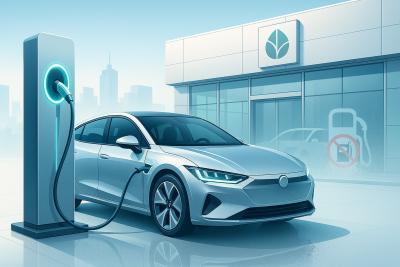

Private passenger cars contribute substantially to Australia's transport emissions, accounting for 42% of the sector's total emissions. Recognizing the pivotal role of EVs in mitigating climate change, Bank Australia aims to expedite the transition from internal combustion engine vehicles to electric alternatives.
While the bank has discontinued financing for new fossil fuel-powered cars, it continues to support customers seeking loans for second-hand petrol, diesel, and hybrid vehicles. This approach acknowledges the current limitations in EV availability and affordability, ensuring that consumers still have access to necessary transportation options during the transition period.
Bank Australia's decision reflects a broader trend within the financial sector to align lending practices with environmental objectives. By prioritizing loans for electric vehicles, the bank not only supports its sustainability goals but also encourages consumers to consider eco-friendly transportation options.
For consumers, this policy shift may influence purchasing decisions, particularly for those considering new vehicle acquisitions. Prospective buyers are encouraged to explore the growing range of electric vehicles available in the market, which offer benefits such as lower operating costs, reduced environmental impact, and potential government incentives.
In conclusion, Bank Australia's move to cease financing for new fossil fuel vehicles marks a proactive step towards a more sustainable future. It highlights the influential role financial institutions can play in driving environmental change and sets a precedent for others in the industry to follow.
Published: Thursday 11th December, 2025
Please Note: If this information affects you or is relevant to your circumstances, seek advice from a licensed professional.