
Understanding the basics of boat loans
A boat loan is a form of finance used to purchase a watercraft. A lender provides funds for the purchase, and the borrower repays the loan amount with interest over an agreed term. Like other forms of consumer finance, the structure of the loan, the interest rate, the fees and the repayment term all affect the total cost.
Boat finance can be used for different types of vessels, but the suitability of any loan structure depends on the borrower, the boat being purchased, the lender's requirements and the overall affordability of ownership. This guide is educational only and does not replace personal financial advice.
Secured and unsecured boat loans
One of the first distinctions to understand is the difference between secured and unsecured boat finance.
| Loan type | How it generally works | Key considerations |
|---|---|---|
| Secured boat loan | The boat is used as security for the loan. | Because the lender has security, interest rates may be lower than unsecured options, but the lender may have rights over the boat if repayments are not met. |
| Unsecured boat loan | The loan is not secured against the boat. | These loans may be more flexible in some circumstances, but they commonly have higher interest rates because the lender is taking on more risk. |
Deposits, valuations and the relationship between the loan amount and the boat's value can also influence how a lender views an application. For more background on this topic, see this guide to secured and unsecured boat loans, deposits and loan-to-value ratios.
Interest rates, loan terms and repayments
The interest rate is the cost of borrowing the loan amount. It can be influenced by market conditions, the lender's criteria, the type of loan, the boat being financed and the borrower's credit profile.
The loan term is the period over which the loan is repaid. A longer term may reduce each regular repayment, but it can also increase the total interest paid over the life of the loan. A shorter term may mean higher repayments, but less total interest if the loan is repaid sooner.
Fixed and variable rates
A fixed-rate boat loan keeps the interest rate the same for the agreed fixed period, which can make repayments easier to budget for. A variable-rate loan can move with market conditions, so repayments and total interest costs may rise or fall over time.
Neither structure is automatically better. The right comparison depends on how much repayment certainty you want, how much flexibility you need and how a change in repayments would affect your budget.
Using repayment estimates
Loan calculators can help you test different loan amounts, deposits, rates and terms before you apply. They do not guarantee approval or final pricing, but they can show how changes to the loan structure may affect repayments. You can use the Boat Loan Repayment Calculator to model repayment scenarios.
Assess your financial position before applying
Before looking closely at boat finance, review your current financial position. Useful areas to check include:
- your income and regular expenses;
- existing loan, credit card and other debt commitments;
- your credit history and credit score;
- how much deposit you may be able to contribute;
- whether repayments would remain manageable if other costs increased; and
- how much you can realistically spend on boat ownership beyond the purchase price.
Lenders may consider your capacity to repay, including how existing debts compare with your income. Reviewing this before applying can help you avoid taking on a loan that places pressure on your wider finances.
Deposit and monthly repayment planning
A larger deposit can reduce the amount borrowed and may reduce the total interest paid. Some buyers prepare for a deposit in the range of 10% to 20% of the boat's price, although the actual amount required depends on the lender, the loan type and the purchase.
When comparing different deposit and repayment options, look at both the monthly repayment and the total cost over the full loan term.
Budget for the full cost of boat ownership
The loan repayment is only one part of the cost of owning a boat. A realistic budget should also account for ongoing and occasional expenses, which may include:
- maintenance and servicing;
- repairs and replacement parts;
- insurance;
- fuel and operating costs;
- registration or other ownership-related costs where applicable;
- storage, marina or docking fees;
- safety equipment and accessories; and
- an emergency buffer for unexpected issues.
Insurance can also be relevant to the loan process, as lenders may require the boat to be insured before funds are released. If you are estimating insurance needs as part of your ownership budget, the Boat Insurance Calculator may help you think through cover levels and costs.
Compare lender offers carefully
Boat loan offers can differ in more than just the headline interest rate. When comparing options, review the full loan package, including:
- the interest rate and whether it is fixed or variable;
- the comparison of repayment amounts across different loan terms;
- establishment, origination, processing or ongoing fees;
- any early repayment or prepayment conditions;
- deposit requirements;
- security requirements;
- insurance requirements; and
- the lender's process for approval, settlement and fund disbursement.
Some borrowers compare offers from banks, credit unions, marine finance providers or brokers. If you are at the stage of comparing available boat finance options or requesting quotes, you can start a boat loan quote enquiry and review the information provided before making a decision.
Be cautious with offers that appear unusually attractive. A very low advertised rate, minimal deposit or long loan term may still involve conditions, fees or repayment structures that increase the overall cost.
Why your credit profile matters
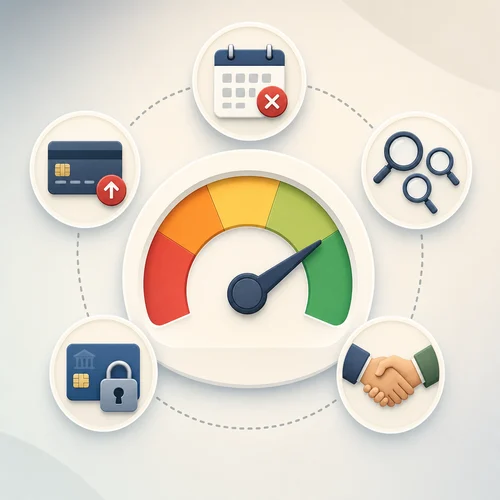
Your credit history can influence the loan options and rates available to you. A stronger credit profile may support access to a wider range of loan options, while a weaker credit profile can limit options or result in higher borrowing costs.
Before applying, it may be useful to check your credit information, correct any errors where possible, pay existing obligations on time and avoid taking on unnecessary new debt. Reducing high credit card balances and managing existing loans responsibly can also help present a clearer financial position to lenders.
Formal loan applications can involve credit enquiries. Multiple applications over time may affect how your credit profile is viewed, so it is sensible to research requirements and compare options before submitting applications.
Documents and details to prepare
Having documents ready can make the loan process smoother. Lenders commonly ask for information that verifies your identity, income, employment and financial position. They may also request details about the boat being purchased.
Examples of information that may be requested include:
- personal identification;
- proof of income;
- employment details;
- information about existing debts and expenses;
- banking or financial history details;
- the boat's make, model and year;
- purchase price and seller or dealer information; and
- details of accessories or extras that may affect the boat's value.
Keeping clear digital copies of key documents can help when providing information to lenders, dealers or finance professionals.
Boat loan terms to understand
Loan contracts can contain terminology that affects your obligations and the cost of borrowing. Important terms include:
| Term | Meaning |
|---|---|
| Principal | The amount borrowed before interest and fees. |
| Interest | The cost charged by the lender for borrowing the principal. |
| APR or annual percentage rate | A yearly measure of borrowing cost that may include interest and certain loan fees. |
| Loan term | The length of time over which the loan is scheduled to be repaid. |
| Amortisation | The way repayments are allocated between interest and principal over time. |
| Default | A failure to meet repayment or contract obligations, which can have serious consequences. |
| Prepayment penalty | A fee that may apply if the loan is repaid early, depending on the contract. |
Borrowers should read the full contract before signing and ask questions about anything unclear. For broader background on borrower protections and credit contracts, see this guide to consumer credit protections for boat loans in Australia.
Common boat financing pitfalls
Focusing only on the purchase price
A boat's purchase price is important, but the full cost includes loan interest, fees, insurance, maintenance, storage and operating expenses. A loan that looks manageable on repayments alone may be less affordable once ownership costs are included.
Not reading the fine print
Fees, default conditions, insurance requirements, early repayment conditions and variable-rate terms can all materially affect the loan. Read the contract carefully and seek clarification before signing.
Overestimating the boat's value
It is easy to be influenced by presentation, accessories or enthusiasm for a particular vessel. Market research, expert input or a professional appraisal can help you assess whether the purchase price and loan amount are reasonable for the boat.
Ignoring future resale and depreciation
Boat values can change over time. Considering future resale value can help you avoid borrowing more than is sensible for the asset being purchased.
Final checks before signing
Before signing a boat loan agreement, check that the contract matches what you understood from earlier discussions. Review:
- the amount borrowed;
- the repayment schedule;
- the interest rate and whether it is fixed or variable;
- the total interest payable over the loan term;
- all fees and charges;
- late payment and default consequences;
- early repayment conditions; and
- any insurance or security requirements.
It is also useful to understand the disbursement process. In many cases, once the loan is finalised, funds are paid to the seller or dealer. Confirm what must happen before settlement, including any final documentation or insurance requirements.
After the loan is in place
Once a boat loan is established, ongoing management matters. Setting up a repayment system, such as scheduled payments and calendar reminders, can reduce the risk of missed repayments and late fees.
Long-term financial planning should also include regular servicing, repairs, storage, insurance and an emergency fund for unexpected costs. These ongoing expenses help protect the boat and support more predictable ownership costs over time.
Boat ownership can also involve a community of clubs, events and experienced boaters. Learning from others can be valuable, but financial decisions should still be based on your own budget, contract terms and obligations.
Key takeaways
Navigating a boat loan involves more than finding a repayment that fits this month's budget. It means understanding the loan type, interest rate, term, fees, deposit, credit requirements and contract obligations.
It also means budgeting for the full cost of ownership, including insurance, maintenance, storage and operating costs. By comparing loan structures carefully and reading the contract in detail, buyers can make more informed decisions before taking on boat finance.