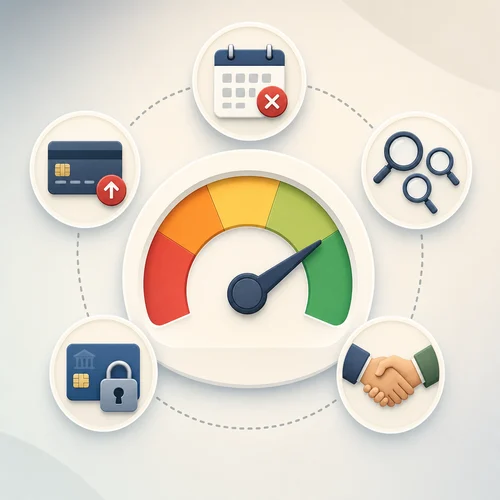
Caravan loan eligibility is not based on one single factor. In Australia, lenders generally look at how affordable the loan appears for your circumstances, the details of the caravan you want to buy, your credit history and the structure of the finance. Understanding these factors before you apply can help you prepare a stronger caravan loan application and avoid surprises during assessment.
This guide explains the main things that may affect caravan loan approval, how pre-approval can work, what documents you may need and the practical steps you can take before speaking with a lender or broker. It is general information only and does not take your personal objectives, financial situation or needs into account.
What does caravan loan eligibility usually involve?
When a lender assesses a caravan loan, they are generally asking two broad questions:
- Can the borrower afford the repayments? This involves looking at income, expenses, debts and financial conduct.
- Is the loan suitable for the asset and risk? This involves looking at the caravan's age, value, condition, security, loan term and loan amount.
Different lenders may apply different criteria. Some may be more comfortable with newer caravans, larger deposits or certain employment types. Others may have specific requirements for used caravan finance, private sales, older vehicles or self-employed applicants. A broker may help you understand which lenders could be more aligned with your situation, but outcomes still depend on lender assessment and your individual circumstances.
If you are still comparing application pathways, you can start with the Australian Caravan Loans homepage to understand the general caravan finance process and broker connection options.
Income and employment stability
Your income is one of the most important parts of a caravan loan approval assessment. Lenders generally want to see that you have enough regular income to manage the proposed repayments alongside your existing commitments.
Income may include salary or wages, business income, investment income, pension income or other regular sources, depending on the lender's policy. The type of income, how long you have received it and how easily it can be verified may all matter.
Employment stability can also be relevant. For example, a lender may look at whether you are employed full-time, part-time, casually, on contract or self-employed. Casual workers, contractors and self-employed borrowers may still be eligible for caravan finance, but they may need to provide different documents or show a longer income history.
Expenses, debts and borrowing capacity
Approval is not just about what you earn. Lenders also consider what you already spend and owe. Your borrowing capacity may be affected by:
- rent or mortgage repayments;
- personal loans, car loans or other finance commitments;
- credit card limits, even if the balance is low;
- buy now pay later commitments;
- child support or other regular obligations;
- household living expenses;
- dependants and family circumstances; and
- the proposed caravan loan repayment amount.
Some borrowers focus only on the advertised repayment, but lenders generally assess whether the loan appears affordable under their own criteria. A repayment that feels manageable to you may still need to pass the lender's serviceability checks.
Before applying, it can be useful to estimate repayments under different loan amounts and terms. The site's caravan loan calculator tools may help you compare repayment scenarios, although calculator results are estimates only and do not confirm eligibility, rates or approval.
Credit history and repayment conduct
Your credit history can influence caravan loan approval and the type of finance you may be offered. Lenders may review your credit report to understand how you have managed previous and current credit accounts.
Factors that may be considered include:
- your history of making repayments on time;
- defaults, serious arrears or hardship arrangements;
- recent credit enquiries;
- the number of open credit accounts;
- credit card limits and utilisation;
- bankruptcies or formal debt arrangements; and
- overall consistency of financial conduct.
A less-than-perfect credit history does not necessarily mean you cannot apply for caravan finance, but it may affect lender choice, interest rate, required deposit, loan term or whether additional information is needed. Some lenders may not accept certain credit issues, while others may assess applications case by case.
Deposit, equity and loan-to-value ratio
A deposit can affect caravan loan eligibility because it reduces the amount being borrowed compared with the caravan's purchase price. This relationship is often referred to as the loan-to-value ratio, or LVR.
A larger deposit may reduce lender risk and could improve the strength of an application, depending on the lender's criteria. However, deposit requirements vary. Some borrowers may seek finance for the full purchase price, while others may contribute savings, trade-in value or proceeds from selling another asset.
It is also worth allowing for costs beyond the purchase price. Depending on the transaction, you may need to budget for registration, insurance, inspection costs, accessories, towing equipment, storage, servicing and travel setup expenses. Borrowing the maximum available amount can create pressure if the ongoing ownership costs are higher than expected.
Caravan details that can affect approval
The caravan itself can play a significant role in the lender's decision, particularly for secured caravan loans. Lenders may consider whether the asset is suitable security for the loan.
Relevant caravan details may include:
- whether it is new or used;
- the make, model and year;
- the purchase price and estimated market value;
- the caravan's condition;
- whether it is being bought from a dealer or private seller;
- whether there is existing finance owing on it;
- the Vehicle Identification Number or chassis details where applicable;
- registration status; and
- any modifications or accessories included in the sale.
Used caravan finance can involve extra checks because the lender may want confidence that the caravan's value, condition and ownership details are clear. A private sale may require more documentation than a dealer sale, such as proof of ownership, payout information if finance is owing, or evidence that the caravan is not encumbered.
If you are still choosing a caravan, the related guide on selecting the perfect caravan for your Australian adventure may help you think through size, towing needs and features before you commit to finance.
Secured versus unsecured caravan finance
The loan structure can also affect approval criteria. Caravan finance may be secured or unsecured, depending on the lender, the asset and the borrower's circumstances.
| Loan type | How it may affect eligibility | Points to consider |
|---|---|---|
| Secured caravan loan | The caravan is generally used as security for the loan. The lender may assess the caravan's value, age and suitability as security. | May have stricter asset requirements. If you default, the lender may have rights in relation to the secured asset. |
| Unsecured caravan loan | The loan is not secured against the caravan. The lender may place more emphasis on income, credit history and overall borrower strength. | May have different rates, limits or approval criteria. Not all borrowers or purchases will suit an unsecured structure. |
Neither option is automatically better for every borrower. The right structure depends on your circumstances, the caravan, the lender's criteria and the total cost and conditions of the loan.
Documents commonly needed for a caravan loan application
Having documents ready can make the application process smoother. Exact requirements vary, but lenders commonly request documents to verify identity, income, expenses and the caravan purchase.
You may be asked for:
- proof of identity, such as a driver licence or passport;
- recent payslips or employment details;
- bank statements;
- tax returns or financial statements if self-employed;
- details of current loans, credit cards and living expenses;
- a purchase invoice, contract of sale or seller details;
- caravan registration or identification details where available;
- evidence of deposit or trade-in value; and
- insurance details before settlement, depending on the lender.
Providing accurate and consistent information matters. If your application shows income, expenses or purchase details that do not match supporting documents, the lender may ask more questions or delay assessment.
How caravan loan pre-approval works
Caravan loan pre-approval is an initial indication that a lender may be willing to lend up to a certain amount, subject to conditions. It can help you understand a possible budget before you shop or negotiate, but it is not the same as final approval.
Pre-approval may still depend on factors such as:
- final verification of income and expenses;
- the caravan being acceptable to the lender;
- valuation or asset checks;
- no material changes to your financial position;
- final credit assessment; and
- meeting any lender-specific conditions before settlement.
It is important not to treat pre-approval as a certainty. If you change jobs, take on new debt, miss repayments or choose a caravan outside the lender's criteria, the final decision may change.
Steps that may improve application readiness
You cannot control every part of a lender's decision, but you can prepare before applying. Consider the following steps:
- Review your budget. Work out what repayment range may be realistic after allowing for ongoing caravan ownership costs.
- Check your credit report. Look for errors or issues that may need attention before applying.
- Reduce unnecessary credit limits where appropriate. Large unused credit limits can affect borrowing capacity, depending on lender assessment.
- Gather documents early. Payslips, bank statements, tax information and purchase details can take time to organise.
- Avoid multiple rushed applications. Several credit enquiries in a short period may affect how lenders view your application.
- Confirm caravan details. For used caravans, check ownership, condition, registration and whether finance is owing.
- Compare loan structure, not just repayments. Look at fees, loan term, security, repayment flexibility and total cost.
These steps do not ensure approval, but they can help you approach the process with clearer information and fewer avoidable delays.
When a broker may be useful
A caravan finance broker may help explain lender requirements, compare available options and identify documents needed for your application. This may be useful if you are self-employed, buying a used caravan, considering a private sale, unsure about credit history or comparing secured and unsecured loan structures.
Brokers do not control lender decisions, and using a broker does not mean an application will be approved. However, they may help you understand which lenders are more likely to consider particular borrower profiles or asset types. You can review the site's broker information if you want to learn more about broker-assisted caravan finance pathways.
Common reasons caravan loan applications may be declined
A lender may decline a caravan loan application for many reasons. Common issues can include:
- insufficient verified income for the requested loan amount;
- high existing debts or living expenses;
- recent missed repayments or serious credit issues;
- inconsistent information in the application;
- unstable employment or income that cannot be verified;
- the caravan not meeting the lender's asset requirements;
- the purchase price appearing high compared with the asset value;
- insufficient deposit for the lender's criteria; or
- concerns about the seller, ownership or existing finance on the caravan.
If an application is declined, it may be worth asking for general feedback before applying elsewhere. Making repeated applications without understanding the issue may not help and can create additional credit enquiries.
Final thoughts before applying
Caravan loan approval in Australia usually depends on a combination of borrower strength, affordability, credit history, loan structure and caravan details. Preparing your budget, documents and purchase information before applying can help you understand where you stand and reduce delays.
Because lender criteria vary, eligibility is never identical from one borrower to another. Take the time to compare your options, understand the total cost of finance and ask questions before committing to a loan.