Small business loans under $10,000 can be useful when a business needs a manageable amount of funding rather than a large commercial facility. For Australian sole traders, contractors, self-employed workers and small business owners, a smaller loan may help cover short-term cash flow gaps, essential equipment, stock, marketing, vehicle costs or other business expenses.
However, a business loan is still a debt. The amount may be smaller than many traditional business finance products, but the lender will still assess your business, income, repayment capacity and risk. This guide explains how small business loans under $10,000 usually work in Australia and what to consider before applying.
What is a small business loan under $10,000?
A small business loan under $10,000 is finance used for business purposes where the loan amount is below $10,000. It may be offered as an unsecured business loan, secured loan, line of credit or another short-term finance product, depending on the lender and the applicant's circumstances.
For some businesses, this type of finance may be used as a bridge between incoming and outgoing cash flow. For others, it may support a specific purchase or project. The right structure depends on what the money is for, how quickly it can realistically be repaid and how predictable the business income is.
If you are exploring available pathways, Small Loans Australia provides information about small business loan options alongside personal loan information. Any application outcome, loan amount, rate, term or condition will depend on the lender's criteria and your individual business and financial position.
Common reasons businesses consider loans under $10,000
Business owners often look at smaller finance amounts when the funding need is specific and relatively short term. Common examples include:
- Buying tools, equipment or technology: such as a laptop, trade tools, point-of-sale equipment or small machinery.
- Purchasing stock or materials: especially where the business expects customer payments after the upfront purchase.
- Managing cash flow timing: for example, covering expenses while waiting for invoices to be paid.
- Marketing or website costs: such as a campaign, booking system or business website improvement.
- Vehicle or work-related repairs: where a vehicle or asset is important to generating business income.
- Short-term operating expenses: such as rent, insurance, supplier bills or seasonal expenses.
A loan should usually be linked to a clear business purpose. Borrowing to cover ongoing losses, repeated cash shortfalls or expenses with no repayment plan can increase financial pressure rather than solve it.
How small business loans under $10,000 usually work
Loan structures vary, but most small business finance products have a few core features: a loan amount, repayment term, interest rate or fee structure, repayment schedule and eligibility criteria. The lender may also decide whether security is required.
| Feature | What it means for the business |
|---|---|
| Loan amount | The amount borrowed, which in this article is under $10,000. Approval for the requested amount is not automatic. |
| Loan purpose | The business reason for borrowing. Some lenders may ask how the funds will be used. |
| Repayment term | The period over which repayments are made. Shorter terms may reduce total interest but can increase each repayment. |
| Interest and fees | The cost of borrowing. Lenders may charge interest, establishment fees, ongoing fees or other costs depending on the product. |
| Repayment frequency | Repayments may be weekly, fortnightly or monthly, depending on the loan contract. |
| Security | Some loans are unsecured, while others may require an asset, personal guarantee or other form of security. |
Before applying, compare the total cost of the loan, not just the advertised rate or repayment amount. Fees, term length and repayment frequency can all affect affordability.
Eligibility: what lenders may look at
Eligibility for business loans Australia-wide varies between lenders. There is no single approval formula that applies to every provider. A lender may consider factors such as:
- your ABN and business structure;
- how long the business has been operating;
- business revenue and cash flow;
- bank account conduct and transaction history;
- existing debts and repayment commitments;
- personal and business credit history;
- whether the business is profitable or trending towards profitability;
- the purpose of the loan;
- whether security or a guarantee is available or required.
Some newer businesses, sole traders or self-employed applicants may have less formal documentation than established companies. That does not mean finance is impossible, but it may affect what lenders are willing to offer, the documentation required and the cost of borrowing.
Sole trader and self-employed business loans
Sole trader loans and self employed business loans can involve extra assessment because business and personal finances are often closely connected. A sole trader may use the same bank account for multiple income sources, have irregular cash flow, or rely on invoices and seasonal work rather than a regular wage.
If you are self-employed, it can help to prepare clear records before applying. Lenders may ask for bank statements, tax information, invoices, business activity records, profit and loss details or other evidence of income. Requirements vary, and not every lender asks for the same documents.
Where business income is irregular, focus on whether repayments remain affordable during quieter periods, not only during strong trading months.
Secured versus unsecured small business finance
Small business loans under $10,000 may be secured or unsecured. An unsecured loan does not require a specific asset as security, although the lender may still assess your credit history, income and business strength. A secured loan is linked to an asset or other security arrangement, which may affect the lender's risk assessment and your obligations if repayments are missed.
Some business finance may also involve a personal guarantee. This means the business owner may be personally responsible if the business cannot repay the debt. Personal guarantees can carry serious consequences, so read the loan contract carefully and consider getting independent advice if you are unsure.
For a broader comparison, see this guide to secured and unsecured loans.
Cash flow matters more than the loan size
A loan under $10,000 may sound small compared with other business finance, but repayments can still affect cash flow. The key question is not only "Can I get the loan?" but "Can the business comfortably repay it while continuing to pay wages, suppliers, tax, rent and other commitments?"
When reviewing affordability, consider:
- average monthly revenue, not just your best months;
- seasonal slow periods;
- upcoming tax or superannuation obligations;
- supplier payment terms;
- invoice delays or late-paying customers;
- existing personal and business debt repayments;
- how the loan will help generate or preserve revenue.
Using loan calculators can help you test different repayment amounts and terms before applying. Calculators provide estimates only, but they can be useful for planning and comparing scenarios.
Documents to prepare before applying
The documents required for small business finance depend on the lender, the product and the applicant. You may be asked for some of the following:
- ABN details and business contact information;
- identification for the business owner or director;
- business bank statements;
- recent tax returns or notices of assessment;
- business activity statements, where relevant;
- profit and loss information;
- details of existing debts, leases or finance contracts;
- invoices, contracts or purchase orders;
- details of the asset being purchased, if the loan is for equipment or a vehicle.
Having accurate records can make it easier to understand your own borrowing position, even if you decide not to proceed. It may also reduce delays if a lender asks for more information.
Business borrowing versus personal borrowing
It is important to distinguish between borrowing for business purposes and borrowing for personal expenses. A personal loan is generally assessed around personal income, expenses and credit history. A business loan may involve business turnover, trading history, commercial bank statements and the intended business use of the funds.
Some business owners consider using personal finance for business costs, especially when the amount is small. This can create complications. It may blur business and personal records, affect tax documentation and expose personal cash flow to business risk. It may also be inconsistent with the loan purpose allowed by a particular lender.
If you are unsure whether a loan should be treated as business or personal borrowing, consider speaking with your accountant, bookkeeper or another qualified professional before applying.
How the application process may work
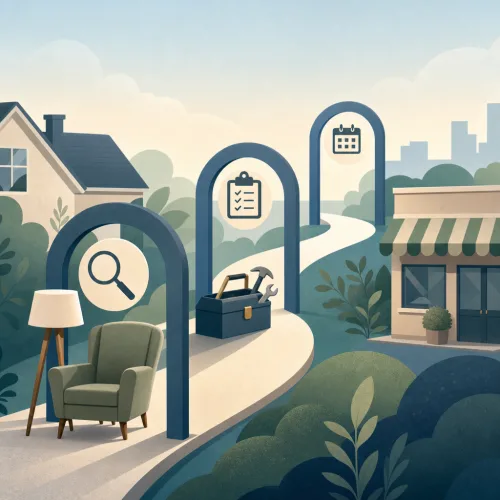
Processes vary between lenders and brokers, but a small business loan application often follows these steps:
- Identify the funding need: Work out exactly how much is required and what it will be used for.
- Review cash flow: Check whether repayments fit within realistic business income and expenses.
- Compare loan structures: Consider term length, repayment frequency, security, fees and flexibility.
- Prepare documents: Gather business bank statements, ABN details and other supporting information.
- Submit an enquiry or application: Provide accurate information about the business and the loan purpose.
- Assessment: The lender reviews eligibility, affordability and risk.
- Review the offer: If an offer is made, read the contract, fees, repayment obligations and default consequences before accepting.
Because criteria can differ significantly across providers, some business owners choose to discuss options through a broker network. A broker may help explain available pathways, but any loan offer still depends on lender assessment and the applicant's circumstances.
Risks to consider before taking business finance
Small business finance can be useful, but it can also create pressure if the repayment plan is unrealistic. Key risks include:
- Overestimating future income: Sales forecasts may not eventuate, especially for newer businesses.
- Using debt for recurring losses: Borrowing to cover repeated shortfalls may delay a bigger financial review.
- Ignoring fees: Establishment, account, late payment or early repayment fees can affect the total cost.
- Mixing personal and business finances: This can make records harder to manage and may increase personal exposure.
- Signing a personal guarantee without understanding it: A guarantee may make you personally liable for the debt.
- Missing repayments: Missed payments can lead to fees, collection activity and credit consequences.
If your business is already struggling to pay essential bills, a loan may not be the safest first step. Consider whether supplier negotiation, payment plans, reducing costs, invoice follow-up or professional business advice may be more appropriate.
Alternatives to a small business loan
Depending on the situation, alternatives may include:
- using business savings or retained earnings;
- negotiating longer supplier payment terms;
- following up overdue invoices more actively;
- leasing equipment instead of buying it outright;
- using a business line of credit where suitable;
- seeking an accountant's help with cash flow forecasting;
- reviewing pricing, margins or recurring expenses.
Not every alternative will suit every business. The aim is to compare the cost, flexibility and risk of each option before taking on debt.
Questions to ask before applying
Before applying for a small business loan under $10,000, ask yourself:
- What exact business purpose will the loan serve?
- Will the loan help generate income, protect income or solve a short-term timing issue?
- Can the business afford repayments during quieter months?
- What is the total cost, including fees?
- Is the loan secured, unsecured or supported by a personal guarantee?
- What happens if the business misses a repayment?
- Are there cheaper or lower-risk alternatives?
- Have I separated business and personal finances clearly enough?
- Should I speak with an accountant or adviser before committing?
Key takeaways
Small business loans under $10,000 can support practical business needs such as equipment, stock, marketing or short-term cash flow. They may be suitable for sole traders, contractors, self-employed workers and small business owners, but suitability depends on the business purpose, income, repayment capacity and lender criteria.
Before applying, understand the loan structure, total cost, documentation requirements and risks. A smaller loan amount can still affect cash flow, so careful planning is essential. Treat the application as a business decision, not just a quick way to access funds.