Introduction to Boat Loans
Understanding your financing options can help you compare different borrowing options when deciding to purchase a boat. Different loan types have different features, costs and risks, so it's important to understand how they work before applying.
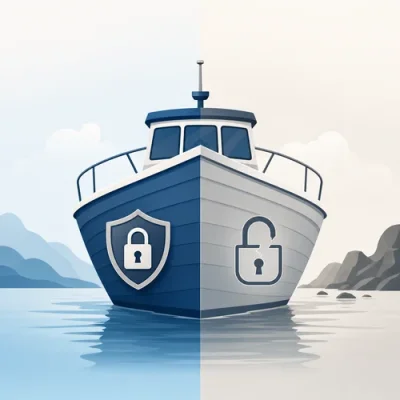
Boat loans typically come in two main forms: secured and unsecured. Each type has its own set of features, advantages, and considerations. Understanding the differences between these loan types can help you compare your options alongside your financial situation and borrowing needs.
What Are Secured Boat Loans?
Secured boat loans are a popular financing option for boat buyers because they offer a straightforward way to borrow money by using the boat itself as collateral. This means that the lender has a security interest in the boat, which can be repossessed if the borrower fails to meet the loan obligations. By offering the boat as security, borrowers often benefit from lower interest rates compared to unsecured loans.
The importance of collateral in a secured loan cannot be overstated. It provides the lender with assurance that they can recover their money in case of default, which typically results in more favorable loan conditions, such as lower interest rates and potentially longer repayment terms. However, it's crucial to understand that missing payments can lead to losing your boat.
Choosing a secured loan comes with its set of advantages and disadvantages. On the plus side, these loans generally offer lower interest rates and potentially better terms. However, the risk of losing your boat if you default on the loan is a significant downside. Depending on the lender and loan terms, secured loans may offer lower interest rates than unsecured loans, but borrowers should also consider the risks associated with using the boat as security.
What Are Unsecured Boat Loans?
Unsecured boat loans provide a flexible financing option without requiring the boat as collateral. Unlike secured loans, unsecured loans are approved based on the borrower's creditworthiness and ability to repay, without a direct claim on the boat itself. This means the lender does not have the right to seize your boat if you default on the loan.
Lenders offering unsecured boat loans will focus on several factors, such as your credit score, income, and overall financial stability, to assess the risk involved. A strong credit history and a steady income can significantly boost your chances of approval and may result in more favourable loan terms.
Opting for an unsecured loan has both advantages and disadvantages. One of the key benefits is that your boat remains safe from repossession if financial troubles arise. Additionally, the application process can be quicker and less cumbersome. However, the lack of collateral also leads to higher interest rates, as lenders take on more risk. Additionally, these loans might have stricter repayment terms and smaller loan amounts compared to secured options. Unsecured loans are an alternative to secured loans and may suit borrowers who prefer not to offer the boat as security, although interest rates and borrowing costs may be higher.
Comparing Secured and Unsecured Boat Loans
When deciding between secured and unsecured boat loans, it's important to compare the differences in interest rates and loan terms. Secured loans typically offer lower interest rates thanks to the collateral provided, making them an attractive option for borrowers looking to minimise interest costs. In contrast, unsecured loans tend to come with higher interest rates to compensate for the increased risk to the lender.
The loan terms can also vary significantly between secured and unsecured options. Secured loans may offer longer repayment periods, giving borrowers more time to pay off the debt. However, this can also result in paying more interest over the life of the loan. Unsecured loans, while potentially having shorter terms, often require higher monthly repayments, which can be challenging for some borrowers.
Evaluating the risks and benefits of each type of loan is crucial. Secured loans carry the risk of losing your boat if you default on payments, but they potentially provide more cost-effective borrowing. On the flip side, unsecured loans protect your boat from repossession but come with higher interest rates and potentially less favourable terms. The right choice often depends on your financial situation, credit history, and comfort with potential risks.
When comparing secured and unsecured boat loans, it's important to consider factors such as interest rates, fees, repayment terms, borrowing capacity and whether you're comfortable providing the boat as security. The most appropriate option will depend on your individual circumstances, financial position and the loan features offered by each lender. Taking the time to compare available options can help you decide which loan best aligns with your needs.
Factors to Consider When Choosing Between Secured and Unsecured Loans
Your Boating Budget and Financial Goals
Your boating budget and financial goals play a crucial role in determining the type of loan that's right for you. Assessing how a loan aligns with your overall financial situation is important to ensure it doesn't stretch your resources too thin. Consider what you can comfortably afford in terms of monthly payments and how a particular loan will fit into your short- and long-term financial plans.
It's vital to factor in not just the purchase price of the boat, but also additional costs such as insurance, maintenance, and registration fees. Considering these additional costs alongside the features of secured and unsecured loans can help you compare which option aligns with your budget, borrowing needs and preferences.
Credit Score and History Considerations
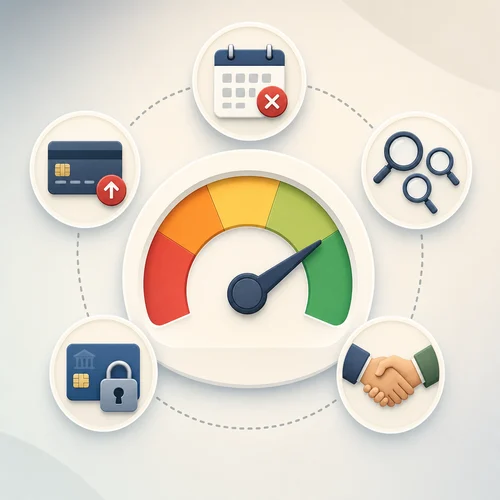
Your credit score and credit history are among the factors lenders may consider when assessing an application for either a secured or unsecured boat loan. Depending on the lender's assessment criteria, a stronger credit profile may improve your eligibility for a wider range of loan options or more competitive loan terms. For borrowers with a lower credit score, some lenders may have different lending criteria or require additional security.
Improving your credit score before applying can potentially lead to better loan offers. Pay down existing debts, make timely bill payments, and avoid new credit inquiries to bolster your financial standing.
Impact of Loan Terms on Long-Term Financial Planning
The terms of a loan can affect both your monthly repayments and the total amount repaid over the life of the loan. Secured loans may offer lower interest rates than unsecured loans, while unsecured loans may not require the boat to be used as security. Interest rates, fees, repayment terms and loan features vary between lenders, so it's important to compare the available options carefully.
Before applying for a loan, consider how the repayments fit within your overall budget and broader financial commitments. Comparing different loan options can help you understand how the features, costs and repayment structure of each loan may affect your finances over time.
Steps to Secure the Best Boat Loan for Your Needs
Tips for Improving Your Credit Score Before Applying
Before applying for a boat loan, it may be worthwhile reviewing your credit score and credit report. Depending on the lender, a stronger credit profile may improve your eligibility for a wider range of loan options or more competitive loan terms. Checking your credit report for inaccuracies, paying down existing debts, making repayments on time and limiting unnecessary credit applications are common ways to maintain or improve your credit profile.
Improving your credit profile may take time, but it can assist when comparing loan options with different lenders. As lending criteria vary, it's worth reviewing the eligibility requirements and loan features offered by each provider before applying.
Strategies for Negotiating Loan Terms with Lenders
Before discussing loan options with a lender, it can be helpful to understand current market interest rates, fees and common loan features. Comparing offers from multiple lenders may provide a clearer picture of the options available. If you have questions about loan features or repayment terms, ask the lender to explain how they apply to your circumstances.
Comparing loan offers from different lenders may help you better understand the range of available rates, fees and repayment options. As loan terms and approval criteria differ between lenders, reviewing multiple options may assist you in making an informed comparison.
Resources for Comparing Loan Offers from Various Providers
A range of online comparison tools and lender websites can help you research different boat loan options. These resources allow you to compare features such as interest rates, fees, repayment terms and borrowing limits, although the information provided may not include every available lender or loan product.
A marine finance broker may also be able to explain different loan options and lender requirements. Comparing information from multiple lenders and reputable sources can help you better understand the features, costs and eligibility criteria of different loan products before deciding which option may be appropriate for your circumstances.
Conclusion: Making an Informed Decision
As we draw this exploration of secured vs unsecured boat loans to a close, it's important to revisit the key considerations we've discussed. Selecting the right loan is pivotal in ensuring that your boating experience remains enjoyable and financially manageable. From understanding the nuances between secured and unsecured loans to evaluating your financial goals and credit profile, each factor plays a role in your overall decision-making process.
Before applying for a boat loan, consider your own financial circumstances and compare the features, costs and risks of the available loan options. If you need help understanding loan features or the application process, you may wish to speak with a lender or marine finance broker. If you're unsure whether a particular loan is appropriate for your personal circumstances, consider seeking independent financial advice.
Comparing available boat loan options and understanding how different loan features work can help you make a more informed borrowing decision. Taking the time to research your options and review lender terms and conditions can help you choose a loan that aligns with your borrowing needs.