Applying for an electric car loan is similar to applying for other vehicle finance, but there can be extra details to consider, including the vehicle's age, battery condition, eligible green loan criteria and any incentives or running-cost assumptions you are factoring into your budget.
This guide explains what lenders commonly consider when assessing electric car loan eligibility in Australia, what documents you may need, how a car loan credit check can affect the process and the typical steps in an electric car loan application. It is general information only, and each lender or broker will apply its own criteria.
What electric car loan eligibility means
Electric car loan eligibility is the process a lender uses to decide whether you meet its basic requirements and whether the proposed loan appears affordable based on your circumstances. For consumer car finance, lenders generally assess whether the loan is suitable and whether you are likely to be able to make repayments without substantial hardship.
Eligibility is not just about whether you like the vehicle or have found an advertised rate. A lender may look at your income, expenses, debts, credit history, deposit, employment situation, the vehicle itself and the proposed loan structure.
If you are still comparing general finance options, you can review electric car loan information on the Electric Car Loans homepage before starting an application.
How electric car finance differs from standard car finance
Many of the core assessment steps are the same as a petrol or diesel car loan. You will usually need to show who you are, what you earn, what you owe and whether the proposed repayment fits your budget.
Electric vehicle finance can differ in a few practical ways:
- Green loan criteria: Some lenders offer finance for low-emission or electric vehicles, but the vehicle may need to meet specific requirements.
- Vehicle valuation: Lenders may consider the model, age, kilometres travelled, battery condition and resale profile when deciding how much they are willing to lend against the car.
- Running-cost assumptions: Lower fuel and maintenance costs may help your household budget, but lenders will still focus on verified income, expenses and debts.
- Incentives and tax treatment: Rebates, exemptions or tax rules may affect your overall ownership cost, but availability and eligibility can change and may depend on your state, territory, employer or tax position.
For most borrowers, the key question remains practical: can you demonstrate that the loan amount, term and repayments are manageable?
What lenders commonly assess for EV loan approval
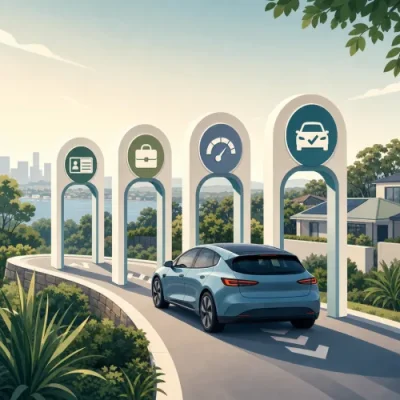
There is no single national checklist that guarantees EV loan approval. However, most lenders consider a similar set of factors when assessing an electric car loan application.
| Assessment area | What lenders may consider | Common evidence |
|---|---|---|
| Identity and residency | Whether you can be identified and whether you meet the lender's residency or visa requirements. | Driver licence, passport, Medicare card, visa details or proof of address. |
| Income | Whether your income is regular, verifiable and sufficient for the proposed repayments. | Payslips, bank statements, tax returns, accountant letters or business financials. |
| Employment or business stability | How long you have been employed, self-employed or operating a business. | Employment details, ABN history, business statements or tax documents. |
| Expenses and existing debts | Your living costs, rent or mortgage payments, credit cards, personal loans and other commitments. | Bank statements, loan statements, credit card limits and declared living expenses. |
| Credit history | Your past repayment behaviour, credit enquiries, defaults or other credit report information. | Credit report information obtained during the lender's assessment. |
| Vehicle suitability | The electric car's price, age, condition, security value and whether it meets any green loan rules. | Dealer invoice, sale contract, vehicle details, registration or inspection information. |
| Loan structure | The loan amount, term, deposit, balloon payment if any, secured or unsecured structure and repayment frequency. | Loan application details and supporting documents. |
Income, employment and serviceability
Serviceability is a lender's assessment of whether you appear able to afford the loan repayments after allowing for your existing commitments and general living costs. This can be one of the most important parts of electric car loan eligibility.
A lender may look at:
- your gross and net income;
- whether your income is stable, seasonal, casual, variable or commission-based;
- your rent, mortgage and household expenses;
- credit card limits, even if you do not use the full limit;
- personal loans, buy now pay later commitments or other finance;
- whether the loan term and repayment amount fit your budget.
Before applying, it can help to estimate repayments under different loan amounts and terms. You can use an electric vehicle finance calculator such as Calculator #13 to test repayment scenarios before submitting an application.
Credit checks for electric car loans
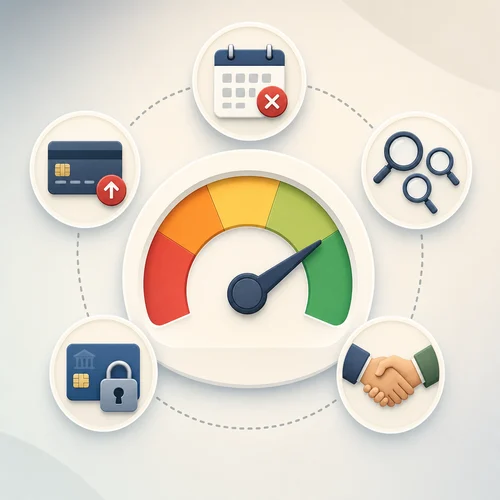
A car loan credit check helps a lender understand your credit history and existing credit commitments. It may show information such as previous credit enquiries, open accounts, repayment history, defaults, court judgments or insolvency information, depending on what applies to your circumstances and what is recorded.
A credit check does not automatically determine the outcome on its own. Some lenders may be more flexible than others, but a stronger credit history can improve the range of options available to you. A weaker credit history may lead to closer assessment, a different interest rate, a smaller approved amount, a request for a larger deposit or a decision not to proceed.
Soft enquiries, quotes and formal applications
Some comparison or pre-qualification processes may use limited information to indicate possible options. A formal loan application usually involves a more detailed assessment and may involve a credit enquiry. Before submitting multiple applications, ask whether the process involves a credit check and how it may appear on your credit file.
Documents commonly needed for electric vehicle finance
The exact electric vehicle finance documents depend on the lender, the loan type and your employment situation. Preparing the basics early can reduce delays and help you answer lender questions accurately.
Personal identification
- Australian driver licence or other government-issued identification;
- Medicare card or passport, if requested;
- proof of current residential address;
- visa or residency details, where relevant.
Income and employment evidence
- recent payslips for employed applicants;
- bank statements showing salary deposits;
- employment contract details, if requested;
- tax returns or notices of assessment for some applicants;
- Centrelink statements or other income evidence, where applicable and accepted by the lender.
Self-employed borrower documents
If you are self-employed, a contractor or operate through a company or trust, the lender may request more detailed information. This can include business bank statements, tax returns, financial statements, BAS records, accountant details or evidence of ABN and GST registration.
Some lenders may offer alternative documentation options for self-employed borrowers, but eligibility, pricing and loan amounts depend on the lender's policy and your circumstances.
Vehicle and sale documents
- dealer invoice or contract of sale;
- make, model, variant and year of the electric vehicle;
- vehicle identification number or registration details, if available;
- odometer reading for used vehicles;
- details of any trade-in or deposit;
- information about accessories or charging equipment included in the sale.
For used electric cars, lenders may pay closer attention to age, kilometres travelled, condition and value. Some may also have maximum vehicle age or loan term rules, particularly where the car is older or has higher kilometres.
How deposits, trade-ins and loan-to-value ratios can affect eligibility
A deposit or trade-in can reduce the amount you need to borrow. This may improve serviceability because the repayment may be lower, and it may also reduce the lender's risk if the loan is secured against the vehicle.
Lenders often compare the loan amount with the value of the vehicle. If you want to borrow more than the purchase price to cover extras, fees or accessories, the lender may apply stricter criteria or decline the additional amount. The treatment of registration, insurance, charging equipment, warranties and on-road costs varies by lender.
Secured, unsecured and green electric car loans
Electric car finance options in Australia can include secured car loans, unsecured personal loans, dealership finance, novated leases and green loans. Each structure can affect eligibility differently.
- Secured car loans: The car is used as security. The lender may have stricter rules about the vehicle but may offer different pricing from unsecured finance.
- Unsecured personal loans: The car is not used as security, but the lender may place more weight on income, credit history and overall borrower profile.
- Green loans: These may be designed for eligible low-emission vehicles, but the vehicle must usually satisfy the lender's environmental criteria.
- Dealership finance: Convenient at the point of sale, but borrowers should still compare rates, fees, loan terms and conditions.
- Novated leases: These involve your employer and salary packaging arrangements. Tax outcomes and eligibility depend on your employment and personal circumstances, so independent tax advice may be appropriate.
No structure is automatically suitable for every borrower. The right option depends on your objectives, cash flow, employment arrangements, credit profile and the vehicle you intend to buy.
Pre-approval and conditional approval
Pre-approval can give you an indication of how much a lender may be prepared to lend before you commit to a vehicle. It can help set a realistic budget, but it is usually conditional. The lender may still need to confirm the vehicle details, verify documents and complete final checks before settlement.
Conditional approval may also come with requirements, such as providing updated payslips, reducing a credit card limit, confirming insurance or supplying a signed sale contract. Do not assume the finance is final until the lender confirms unconditional approval and settlement requirements.
Typical electric car loan application steps
- Set a budget: Estimate the purchase price, deposit, running costs, insurance, charging costs and likely repayments.
- Compare finance structures: Consider secured loans, green loans, dealership finance, personal loans or salary packaging options where relevant.
- Check basic eligibility: Review identity, residency, income, employment and vehicle criteria before applying.
- Gather documents: Prepare identification, income evidence, bank statements and vehicle details.
- Submit an application: Provide accurate information about your finances, debts and the vehicle.
- Complete lender assessment: The lender may verify income, conduct a credit check, assess serviceability and review the car as security.
- Review the loan offer: Check the interest rate, comparison rate where provided, fees, term, repayment frequency, balloon payment and early repayment conditions.
- Finalise settlement: Once approved, the lender arranges payment according to its settlement process, often directly to the dealer or seller.
If you want assistance understanding application options, you can review available support through the Brokers page.
Reasons an electric car loan application may be declined
A declined application can be frustrating, but it does not always mean you can never access finance. It usually means the lender was not comfortable with the application under its current criteria.
Common reasons may include:
- insufficient verified income for the requested loan amount;
- high existing debts or credit card limits;
- irregular income that is difficult to verify;
- recent missed repayments, defaults or adverse credit information;
- too many recent credit applications;
- a vehicle that does not meet the lender's age, value or security requirements;
- incomplete or inconsistent documents;
- requested loan terms that do not fit the lender's policy.
If your application is declined, ask the lender or broker whether they can explain the main reason. You may need to reduce the loan amount, increase your deposit, wait until your income is easier to verify, correct credit report errors or consider a different vehicle or loan structure.
How to prepare a stronger application
You cannot control every part of the assessment, but you can improve the quality and clarity of your application.
- Check your budget first: Make sure repayments fit comfortably alongside insurance, charging, servicing and registration.
- Review your credit file: Look for errors or unexpected listings before applying.
- Reduce unnecessary debt where practical: Lower credit card limits or outstanding balances may improve serviceability for some borrowers.
- Avoid multiple rushed applications: Submitting several formal applications in a short period may affect how lenders view your file.
- Prepare complete documents: Missing or inconsistent documents can slow the assessment.
- Be realistic about the vehicle price: A less expensive model or larger deposit may be easier to service.
- Disclose information accurately: Lenders may verify income, debts and employment details.
Where incentives and EV running costs fit into eligibility
Electric vehicles can have different running costs from petrol or diesel vehicles, and some buyers may be eligible for incentives, concessions or tax treatment. These factors can affect your overall ownership cost, but they should not be treated as a substitute for affordability.
A lender will generally rely on verified income, debts, living expenses and loan details rather than assuming that every borrower will receive the same EV-related benefit. If an incentive, employer arrangement or tax treatment is important to your budget, confirm the details before relying on it.
Questions to ask before applying
- Does the lender finance the specific electric vehicle I want to buy?
- Is the loan secured or unsecured?
- Does the vehicle need to meet green loan eligibility criteria?
- What documents are required for my employment type?
- Will the application involve a credit check?
- Are there application, monthly, early repayment or discharge fees?
- Is there a balloon payment, and how would that affect the total cost?
- What happens if the vehicle valuation is lower than the purchase price?
- How long is any pre-approval valid?
Key takeaway
Electric car loan eligibility in Australia depends on more than the vehicle being electric. Lenders commonly assess your identity, income, expenses, credit history, existing debts, loan structure and the vehicle's suitability as security. Preparing documents early, checking your budget and understanding the approval steps can make the process clearer and reduce avoidable delays.
Approval, interest rates, loan amounts and terms depend on your individual circumstances and the lender's criteria. Consider seeking professional guidance if you are unsure how a loan fits with your broader financial situation.