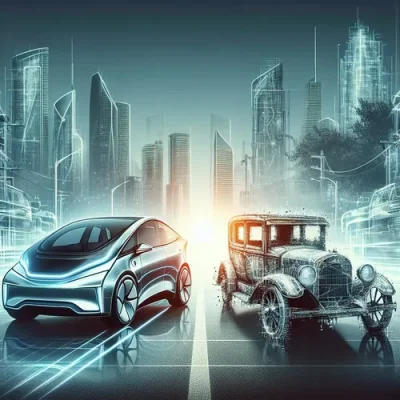
However, beyond the excitement of owning an electric car, it's crucial to understand the true cost of ownership. While the initial purchase price is a significant consideration, the long-term expenses associated with both electric and fossil fuel cars can drastically impact financial decisions. This is especially important in a country like Australia, where distances can be vast and fuel efficiency can make all the difference.
The decision to choose between electric cars and those powered by traditional fossil fuels is not just about upfront costs. It's about considering factors like maintenance, longevity, and, yes, environmental impact. In this article, we'll take a detailed look at these aspects and see what it really costs to own an electric car compared to its fossil-fueled counterparts.
Initial Costs and Purchase Considerations
When it comes to buying a car, the sticker price is often the first thing on a buyer’s mind. In Australia, electric cars can have a higher sticker price compared to traditional fossil fuel cars. This is due to the cost of battery technology and the current scale of production. For some potential buyers, the initial cost difference can be a deal breaker.
However, price tags don’t always tell the whole story. There are government incentives and rebates available for electric cars (EVs) that can significantly offset the purchase price. These incentives are designed to encourage the adoption of greener transportation options. Buyers should explore what state and federal incentives are available to them, as these can make EVs much more competitive in terms of purchase cost.
Besides incentives, considering financing options is a vital part of the purchase process. Many financial institutions are now offering specific electric car loans which can feature lower interest rates or other benefits. These financing options can play a major role in making an electric car more affordable in the long run. Therefore, it’s essential for buyers to shop around and consider how these elements can affect the overall affordability of their car choice.
Ongoing Maintenance and Operation Costs
Maintenance needs: fewer moving parts in electric cars
One of the significant advantages of electric cars is the reduced need for maintenance compared to their fossil fuel counterparts. Electric cars have fewer moving parts, which means there are fewer components that may need repairs or replacements over time. This can lead to reduced maintenance costs overall.
For instance, electric cars don’t require oil changes, exhaust system repairs, or timing belt replacements. These are common maintenance tasks associated with internal combustion engines. This simplicity results in fewer trips to the mechanic and potentially lower overall maintenance bills, contributing to long-term savings for EV owners.
Fueling costs: electricity vs. petrol/diesel expenses
When considering the operation costs, fueling an electric car can be significantly cheaper than filling up with petrol or diesel. Electricity rates in Australia are generally more stable and often less expensive than fluctuating fuel prices, resulting in cost savings for EV drivers.
Charging an electric car at home can be particularly economical, especially if utilizing off-peak electricity rates. Additionally, with the increasing number of public charging stations, some of which offer free charging, the savings on fuel can add up quickly. These considerations make the day-to-day running costs of electric cars lower than those of traditional cars.
Warranty and service packages available for electric cars
To further entice buyers, many electric car manufacturers offer comprehensive warranty and service packages. These packages are designed to cover crucial parts like the battery and electric drivetrain, providing peace of mind to new owners.
Longer warranties on battery packs and generous service terms can help mitigate the fear of unexpected repair costs. This assurance is particularly important given the investment in an electric car, allowing owners to focus more on driving and less on potential repair expenses. As more manufacturers enter the electric car market, these warranties and service offerings are likely to become even more competitive, further reducing potential ownership costs.
Environmental and Social Impacts
Carbon emissions: electric cars' contribution to a cleaner environment
One of the most compelling reasons to switch to electric cars (EVs) is their potential to reduce carbon emissions significantly. Unlike fossil fuel cars, electric cars produce zero tailpipe emissions. This means that they help to cut down the amount of carbon dioxide and other harmful gases being released into the atmosphere, contributing towards a cleaner environment.
While the production of electric cars and electricity generation can still have an environmental footprint, studies suggest that over their lifetime, EVs result in lower emissions than traditional cars, especially when powered by renewable sources. By driving electric, individuals can reduce their personal carbon footprint, supporting broader efforts to tackle climate change.
The use of renewable energy sources in charging stations
The environmental benefits of electric cars are further enhanced when charging is done using renewable energy. In Australia, there is a growing shift towards integrating solar, wind, and other renewable energy sources into the electricity grid. This transition can make charging EVs even more sustainable.
Many charging stations now feature solar panels, and some households with electric cars are opting for solar installations to charge their cars with the power of the sun. This not only helps in cutting down emissions but can also lead to savings on energy bills, making renewably charged electric cars an eco-friendly and cost-effective choice.
Community and lifestyle benefits of reducing fossil fuel reliance
Beyond environmental benefits, switching to electric cars can also improve community health and lifestyle. Reducing reliance on fossil fuels can lead to cleaner urban air, decreasing pollution-related health issues and promoting overall wellbeing. This is crucial in densely populated areas where air quality can be a significant concern.
Additionally, the quiet operation of electric cars can contribute to less noise pollution, making neighborhoods more pleasant places to live. By embracing electric cars and reducing fossil fuel dependence, Australians can enjoy healthier, quieter, and more sustainable communities, enhancing quality of life for all.
Resale Value and Depreciation
Current trends in the resale market for electric cars
In recent times, the resale market for electric cars in Australia has shown promising growth. As more Australians become aware of the benefits of electric cars, demand in the second-hand market is increasing. Buyers are beginning to appreciate the long-term savings and environmental benefits, making used electric cars more attractive options.
Previously, concerns about battery lifespan and technological advancements made potential buyers hesitant. However, with manufacturers offering better warranties and improving battery technology, these concerns are gradually dissipating. Consequently, electric cars are holding their value better than they did a few years ago, and this trend is expected to continue as the market matures.
Depreciation rates: electric cars vs. conventional cars
Depreciation is a key factor when discussing car resale value. Although electric cars tend to have higher initial depreciation rates, recent data indicates that this gap is narrowing. As acceptance and infrastructure for electric cars improve, their depreciation is beginning to stabilize, comparing more favorably with conventional cars over time.
While petrol and diesel cars also depreciate, rising fuel costs and increasing environmental awareness are affecting their long-term value. Electric cars, by contrast, may benefit from future advancements in technology and extended battery lifespans, offering better investment potential in the long run.
Factors that influence the long-term value of electric cars
Several factors can influence the long-term value of electric cars. Technological advancements in battery efficiency and charging infrastructure play a significant role. As these areas improve, electric cars may become more appealing, increasing demand and bolstering resale values.
Additionally, government policies and incentives can influence market perceptions and value retention. As Australia moves towards a greener future, policies favoring electric car adoption may enhance their market appeal. Lastly, brand reputation and model-specific reliability can also impact residual values positively.
Infrastructure and Technological Advancements
Growth of charging infrastructure across Australia
In recent years, Australia has seen significant growth in its electric car charging infrastructure. This expansion is crucial in supporting the uptake of electric cars, ensuring they're a practical choice for a wider range of consumers. From city centers to regional areas, the increase in public charging stations is helping to alleviate range anxiety, making it more feasible to own and drive electric cars.
The government's investment in charging stations, combined with initiatives from private companies, has led to a more accessible network across the country. New fast-charging technologies have also been implemented, enabling quicker charging times, which further adds to the convenience of owning an electric car. This expanding network is pivotal in making electric cars a viable option for long-distance travel across Australia's vast landscapes.
Innovations in battery technology and their impact on cost
Battery technology continues to be a focus of innovation in the electric car industry. Advances in this area have led to longer battery life, faster charging times, and improved overall performance of electric cars. As battery efficiency improves, the cost of production is expected to decrease, ultimately lowering the purchase price of electric cars.
These innovations not only affect upfront costs but also enhance the car's long-term value. Batteries with longer lifespans and better reliability translate to fewer replacements and repairs, adding to the overall savings associated with electric cars. As these technologies mature, they will play a crucial role in making electric cars more economical for Australian consumers.
Future developments expected in the electric car sector
The electric car sector is poised for substantial developments in the coming years. One anticipated area of progress is the integration of renewable energy sources with charging infrastructure, further reducing costs and increasing sustainability. The use of smart grid technologies could enable more efficient use of electricity and even allow electric cars to feed energy back into the grid.
In addition, autonomous driving features are likely to become more common, offering enhanced convenience and safety. Investment in local manufacturing and partnerships between Australian companies and global EV leaders may also boost the sector. These advancements, combined with government incentives, position the electric car market for growth, making it an exciting area to watch in the coming decade.
Conclusion: Making an Informed Decision
Summary of key points for eco-conscious Australian consumers
As we've explored, the cost of owning an electric car in Australia goes beyond just the initial purchase price. Electric cars offer potential savings in terms of ongoing maintenance, fuel costs, and favorable depreciation trends. Additionally, their environmental benefits, such as reduced carbon emissions and the use of renewable energy for charging, contribute to a cleaner, healthier planet.
Furthermore, government incentives and the growing charging infrastructure make EVs increasingly accessible. Technological advancements in battery life and charging efficiency also improve the long-term value and convenience of electric cars. These factors collectively highlight a promising future for electric cars, making them a viable option for eco-conscious consumers.
Encouragement to weigh personal preferences and values
When deciding between an electric car and a fossil fuel car, it's essential to weigh your personal needs and values. Consider how much you drive, the availability of charging stations in your area, and your stance on environmental impact. For some, the reduced noise, emissions, and maintenance may outweigh initial cost considerations.
A call to action: Consider an electric car for your next purchase
We encourage you to explore electric cars as a practical and environmentally friendly alternative. With evolving technologies and expanding infrastructure, there has never been a better time to consider this switch. By choosing an electric car, you can contribute to a sustainable future while potentially saving money over the car's lifetime. Whether you're driven by environmental concerns, financial considerations, or both, the shift towards electric is worth considering for your next car purchase.