Introduction: Understanding the Debate Between New and Used Truck Loans
Whether you're eyeing that sparkling new model or leaning towards a trusted used vehicle, understanding the financial implications is crucial. Each option comes with its own set of benefits and drawbacks, and making the right choice involves weighing them against each other.
By the end of this article, you'll have a clearer picture of which type of truck loan aligns best with your needs and where your personal finances fit into the puzzle. Let's dive into the journey of discovering the ins and outs of both new and used truck loans!
Understanding Credit Scores
What is a Credit Score?
A credit score is a numerical representation of your creditworthiness, essentially giving lenders an idea of how reliable you are in managing borrowed money. It ranges between 300 to 850, and it's based on your credit history.
Lenders use credit scores to determine how likely you are to repay a loan. A higher credit score means you're a lower risk for lenders, which can lead to more favorable loan terms.
Breakdown of Credit Score Ranges
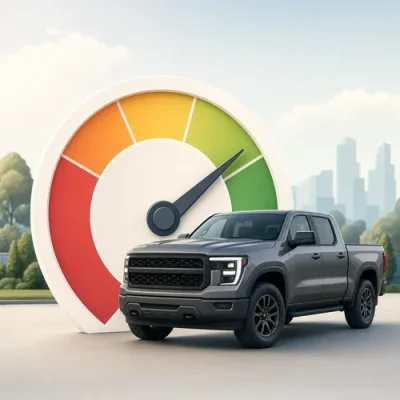
Credit scores are generally grouped into ranges. An "excellent" score is typically 800 and above. A "good" score falls between 740 and 799. A "fair" score ranges from 670 to 739, while a "poor" score is often considered to be below 670.
Understanding where you stand can help you anticipate the kind of interest rates and loan terms you might be offered when shopping for a truck loan.
Factors That Influence Credit Scores
Your payment history is a major factor, accounting for about 35% of your score. This includes on-time payments or any late or missed payments in the past.
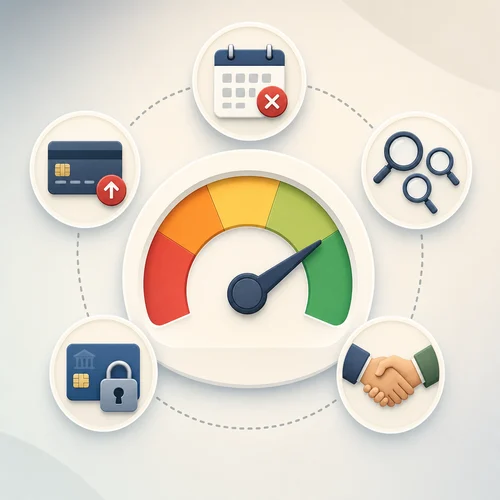
Other influential factors include the amount of money you owe compared to your credit limits, the length of your credit history, the types of credit accounts you have, and any recent credit inquiries.
It's important to be aware of these factors, as they can affect your ability to secure the best loan terms for your truck purchase.
Minimum Credit Score for a Truck Loan
Industry Standards for Credit Scores
When it comes to applying for a truck loan, understanding industry standards for credit scores can greatly influence your approach. Most lenders in Australia typically look for a minimum credit score of around 620 to 650. This range is generally considered a "fair" score, and it's often the baseline for many standard truck loan approvals.
Scores above this range, particularly those classified as "good" or "excellent," can improve your chances of not only securing a loan but also getting more attractive terms. However, if your score is below this threshold, you might find it more challenging to get approved for a truck loan.
Impact on Interest Rates and Approval
Your credit score directly affects the interest rates and loan amounts that lenders are willing to offer. A higher credit score often means lower interest rates, resulting in lower monthly payments and less interest over the life of the loan.
Conversely, a lower credit score can lead to higher interest rates and more stringent loan conditions. This makes it essential to understand your credit score before starting the loan application process, as it can significantly impact your truck purchasing power.
Exceptions and Alternative Lending Options
If your credit score isn't where you'd like it to be, don't lose hope. Some lenders specialise in providing loans to those with lower credit scores, though these might come with higher interest rates. Additionally, guarantor loans can be a viable option, where a friend or family member agrees to back your loan.
You might also consider working on improving your credit score over time before applying for a loan, or exploring credit unions and community banks that might offer more flexible lending criteria.
Improving Your Credit Score Before Applying
Steps to Take to Improve Credit Scores
Improving your credit score can make a significant difference when applying for a truck loan. One of the first steps you can take is to ensure all your bills are paid on time. Timely payments account for a substantial portion of your credit score, so set up reminders or automatic payments to avoid missing due dates.
Reducing your credit card balances is another effective strategy. Aim to use less than 30% of your available credit, as this can positively impact your score. Additionally, avoid applying for new credit accounts frequently, as each application triggers a hard inquiry, which can briefly lower your score.
Importance of Credit Score Monitoring and Reporting
Regularly monitoring your credit report helps you track your progress and identify areas for improvement. It's important to review your credit report for errors or inaccuracies that could be negatively affecting your score. You are entitled to one free report per year from each of the major credit bureaus, so take advantage of this service.
Disputing any errors you find is crucial, as correcting them can instantly boost your score. Many online services and banks offer free credit score monitoring, making it easier than ever to stay informed about your credit status.
Timeline Expectations for Credit Score Improvement
Improving your credit score is a process that requires time and patience. While some changes, like correcting errors, can have an immediate impact, other efforts, such as reducing debt and making consistent payments, can take several months to reflect on your score.
Generally, you can expect noticeable improvements within three to six months if you're actively working on boosting your score. However, the exact timeline can vary depending on your current credit status and the specific actions you take. Being proactive and diligent will help you build a stronger credit profile over time.
Financial Benefits of a Good Credit Score
Lower Interest Rates and Better Loan Terms
A good credit score is often rewarded with lower interest rates when applying for a truck loan. This means you'll pay less over the life of the loan, freeing up more of your budget for other expenses. Lenders view you as a lower risk, and this trust translates into more favourable loan terms.
These better terms can include not just a lower interest rate but also more flexible repayment options. When you have a solid credit score, lenders are more willing to accommodate your financial needs, which can lead to a smoother loan repayment experience.
Potential for Higher Loan Approval Amounts
Having a strong credit score can also influence the amount you are eligible to borrow. Lenders are generally more comfortable offering larger loan amounts to borrowers who demonstrate financial responsibility through their credit history. This can be particularly beneficial if you're eyeing a top-of-the-line truck model with a higher price tag.
A higher loan amount coupled with favourable terms could mean the difference between settling for a model with fewer features and investing in the truck you've always wanted.
Trustworthiness and Financial Health Indicators
Your credit score acts as a representation of your financial reliability. A high score indicates to lenders that you are trustworthy and manage your finances well, which can open doors not only in borrowing but also in other financial areas such as insurance rates and rental agreements.
Beyond loans, a strong credit score serves as a general indicator of good financial health, benefiting you in various aspects of financial decision-making and planning.
Steps to Apply for a Truck Loan
Pre-application Checklist: Documents and Information Needed
Before you begin the truck loan application process, it's important to gather all necessary documents and information. First, ensure you have valid identification, such as a driver's license or passport. You may also need to provide recent pay slips or bank statements to demonstrate your income and financial stability.
Additionally, prepare details of any existing debts or financial obligations, as lenders will assess your entire financial picture. Having all this information on hand can speed up the application process and help you meet the lender's requirements efficiently.
The Application Process: What to Expect
When applying for a truck loan, you can expect a series of steps including pre-approval, formal application, credit checks, and final approval. Initially, you might start with a pre-approval process, which helps you understand how much you can borrow and provides a clearer idea of your budget.
Once pre-approved, you proceed to fill out a formal application. This involves submitting your collected documents and details. Lenders will conduct a credit check and assess your application based on their criteria before providing a final decision.
Tips for a Successful Loan Application
To enhance your chances of a successful truck loan application, ensure that all your documents and information are accurate and up-to-date. It’s also beneficial to review your credit report ahead of time to address any discrepancies.
Consider seeking pre-approval to understand your financial limits better, and don't hesitate to ask your lender any questions about the process or terms. Lastly, compare offers from different lenders to find the most favorable loan terms that suit your financial situation.
Conclusion: Weighing the Pros and Cons
As we wrap up this exploration of credit scores and truck loans, remember the key points we've discussed. Understanding your credit score and its impact on loan conditions is vital, as it dictates not only the interest rates you might face but also the terms and feasibility of the loan you can secure.
Whether you're aiming for a new or used truck, having a strong credit score expands your options and can lead to significant savings over the lifespan of the loan.
However, don't despair if your score isn't where you'd like it to be. By taking proactive steps to improve your financial standing, monitoring your credit, and making informed decisions, you can enhance your borrowing potential over time.
Empower yourself by taking control of your financial destiny. Reflect on your specific needs, and pursue truck loan opportunities that align with your broader financial goals.
Ultimately, it's about achieving the best balance between your immediate desires and long-term financial well-being. Whether you're upgrading to a new truck or investing in a reliable used model, the right loan and thoughtful financial planning can drive you towards achieving your personal objectives.
For those looking for personalized advice, consider reaching out to a financial advisor to explore tailored strategies and make the most of your truck purchasing experience.