Introduction to Truck Financing
With the ever-present challenges in the transport industry, such as fluctuating fuel prices, maintenance costs, and regulatory changes, selecting the right truck finance option is vital. Smart truck financing can provide businesses with the flexibility and cash flow management needed to overcome these hurdles and thrive.
This article will delve into the nuances of smart truck financing, examining various options available to meet the needs of both owner-drivers and larger fleet operators. We'll explore the benefits of choosing modern financing approaches over traditional methods, offering insights into how they can support your business growth and operational efficiency.
Understanding Owner-Driver Needs
Owner-drivers are the backbone of the transport industry, facing unique financial and operational demands. Typically, they invest not just in their vehicles but also in their livelihoods, which makes understanding their specific needs crucial. Tailoring financial solutions to suit individual drivers is key to ensuring their success and sustainability.
One of the primary financial challenges that owner-drivers encounter is managing cash flow. With fluctuating workloads, maintaining a reliable income stream can be difficult. Additionally, individual truck owners bear the full brunt of operational expenses, from routine maintenance and repairs to insurance costs.
The significance of budget-friendly and flexible financing options can't be overstated for these operators. Flexible financing can help manage cash flow effectively, ensuring that repayments align more closely with income patterns. Affordable financing allows owner-drivers to allocate funds towards other crucial aspects of their operations, such as vehicle maintenance and personal savings, fostering better financial security.
Exploring Fleet Operator Requirements
Fleet operators manage a wide array of vehicles, requiring a strategic approach to both operational and financial management. Their operational scope often includes coordinating logistics across multiple routes, maintaining a diverse fleet of vehicles, and ensuring seamless service delivery. This expansive operation necessitates robust financial planning and flexibility.
Due to their larger financial scale, fleet operators need financing solutions that are not only comprehensive but also scalable. Financing a fleet involves considerations beyond individual vehicle loans, such as line of credit agreements and asset-based lending solutions. These options allow fleet operators to adjust their strategies responsively to market demands and operational needs.
Long-term strategies for fleet operators revolve around fleet expansion and technological upgrades. Smart financing can facilitate these growth plans by offering solutions that cater to immediate capital needs while supporting long-term goals. This may include flexible repayment terms, competitive interest rates, and options to refinance. Ultimately, an effective financing strategy is integral to maximizing fleet efficiency and optimizing expansion efforts.
Truck Financing Options for Owner-Drivers
For owner-drivers, choosing the right financing option is crucial for managing cash flow and ensuring long-term operational success. Leasing is a popular choice among owner-drivers due to its flexibility and lower initial costs compared to purchasing a vehicle outright. A lease allows drivers to use a truck without incurring the full cost upfront and can often include maintenance and servicing within the terms, reducing unexpected expenses.
When weighing leasing options against loans, owner-drivers should consider their long-term financial goals and usage patterns. A loan offers the advantage of eventual vehicle ownership, giving drivers an asset at the end of the repayment term. However, loans may require larger down payments and higher monthly repayments compared to leasing. Understanding the total cost of ownership, including interest, fees, and depreciation, is essential when comparing these options.
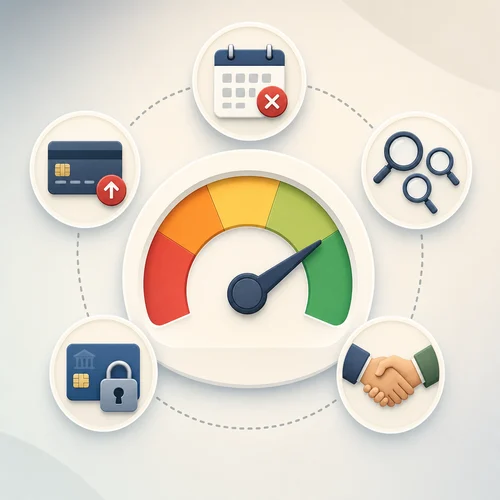
Interest rates and credit scores significantly affect the affordability of financing for owner-drivers. A higher credit score typically grants access to more competitive interest rates, reducing overall loan costs. Drivers should monitor their credit health and work towards improving their scores before applying for financing. Additionally, understanding how interest rates fluctuate with market conditions can help drivers choose the most opportune time to secure financing, ensuring their repayments remain manageable.
Truck Financing Options for Fleet Operators
Fleet operators looking to finance a large number of vehicles have access to several distinct options that can enhance their bargaining power and operational efficiency. Bulk leasing is a particularly attractive choice, as it often comes with volume discounts, making it more cost-effective than financing each vehicle individually. By negotiating favorable lease terms, fleet managers can optimize their expenditure and enhance their fleet management capabilities.
Customized loan packages offer another avenue for fleet operators seeking tailored financial solutions. These packages are designed to cater to the specific requirements of large fleets, with features such as deferred payment options and adjustable interest rates. Additionally, financial institutions may offer incentives, such as reduced rates or added services, to secure the business of larger operators who manage extensive fleets.
Asset management and maintenance financing are also key components of comprehensive fleet financing solutions. These options can cover the costs associated with the upkeep and servicing of a fleet, ensuring that vehicles remain in optimal condition without straining operational budgets. By integrating maintenance costs into financing packages, fleet operators can achieve smoother cash flow and better allocate resources, ultimately improving their operational efficiency and profitability.
Comparative Analysis: Owner-Drivers vs Fleet Operators
When considering truck financing options, it's crucial to understand the differing needs between owner-drivers and fleet operators. Owner-drivers typically prioritize flexibility and lower initial costs to maintain cash flow, often leaning towards leases or low-deposit loans. In contrast, fleet operators require large-scale financial solutions with options like bulk leasing and asset-based lending to support their expansive operations.
Each type of financing bears its own opportunity costs and benefits. For owner-drivers, opting for flexible leasing arrangements allows immediate access to trucks with minimal upfront investment. Although they may miss out on ownership equity, the savings on initial costs and maintenance can be significant. On the other hand, fleet operators benefit from bulk leasing discounts and strategic financial planning but may face higher complexity in managing debt and interest structures.
Analyzing the return on investment (ROI) is essential for both owner-drivers and fleet operators when choosing a financing option. Owner-drivers should consider the long-term value and maintenance costs of leased versus owned vehicles, while fleet operators may assess how financing affects fleet expansion and service improvement. Understanding these factors helps businesses make informed decisions that optimize both financial health and operational efficiency.
Industry Trends in Truck Financing
As the transport industry evolves, so do the financing options available to truck operators. One emerging trend is the increasing use of technology to streamline financing processes. Digital lending platforms and online application tools have made truck financing more accessible and efficient, reducing approval times and enhancing customer experience. Additionally, data analytics and machine learning are being utilized to better assess credit risk and tailor financing packages to each customer's unique needs.
Market changes, such as fluctuating economic conditions and changing interest rates, also impact financing options. For instance, during periods of economic uncertainty, lenders might tighten credit criteria or adjust interest rates, affecting both owner-drivers and fleet operators. Staying informed about market trends is crucial for those seeking financing, as it can influence the terms and accessibility of financial products.
Looking ahead, the truck financing industry is poised for continued transformation. Sustainable practices are becoming more integral, with lenders offering green financing options that support eco-friendly vehicle choices. Additionally, as technological advancements continue, innovative financing products that combine traditional lending with modern technology will likely emerge. Businesses that stay ahead of these trends can not only secure the best financing terms but also position themselves for sustainable growth in an ever-changing market.
Tips for Choosing the Best Financing Option
Selecting the right financing package is a critical decision that can significantly impact your business's financial health and operational capability. To choose the best truck financing option, consider your specific business needs and future goals. Factors such as the total cost of the financing package, repayment terms, and flexibility should be at the forefront of your evaluation.
One essential consideration is understanding your cash flow and how it will align with the repayment schedule. Ensure that the finance package's terms allow you to manage repayments without straining your finances. Additionally, look for options that offer competitive interest rates and customizable payment plans that fit your operational dynamics.
Common Pitfalls to Avoid
Avoid common pitfalls like neglecting to account for hidden fees or not thoroughly understanding the terms and conditions. Overlooking these aspects can lead to unforeseen expenses. Another mistake is making hasty decisions based solely on the lowest monthly repayment, which might not always offer the best financial outcome in the long run.
Resources and Tools for Making Informed Decisions
Utilizing available resources can greatly aid in making informed financing decisions. Online comparison tools and calculators can help you understand different packages and their costs. Additionally, consulting financial advisors or leveraging industry networks for recommendations can provide valuable insights.
By considering these factors and avoiding common mistakes, truck operators, whether owner-drivers or fleet managers, can secure the most beneficial financing solution to suit their business needs.
Conclusion
Truck financing is a critical component for growth and success in the transport industry, whether you're an owner-driver or a fleet operator. We've explored various financing options, highlighting the importance of understanding your specific needs and the distinct financial products available to you. Smart financing offers flexibility, cost-efficiency, and the ability to scale your operations effectively, making it a preferred choice over traditional methods.
For owner-drivers, the key is to focus on financing that aligns with their cash flow and personal financial health. Leases and low-deposit loans can provide the necessary flexibility and minimize initial costs, allowing drivers to maintain stability and security. On the other hand, fleet operators need scalable solutions that support large-scale operations, such as bulk leasing and customizable loan packages that drive growth and efficiencies.
Ultimately, selecting the right truck financing option involves evaluating your business goals, financial metrics, and the long-term impact of the financing decision. By staying informed about market trends, leveraging technology, and seeking expert advice, businesses can make strategic decisions that secure their financial future and position them for sustained success. We encourage readers to explore these financing paths thoughtfully and strategically to thrive in this dynamic industry.