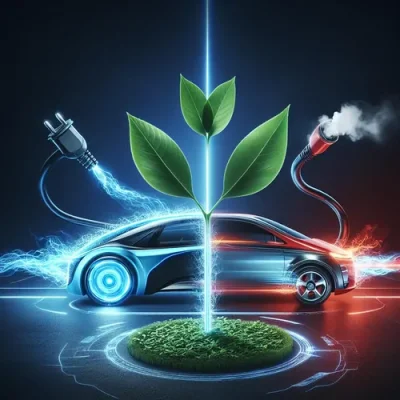
Introduction to Vehicle Sustainability
In Australia, both electric and petrol vehicles have a significant presence. Petrol vehicles have long been the norm due to their availability and the well-established infrastructure supporting them. However, electric vehicles (EVs) are rapidly gaining traction as a cleaner alternative, offering lower emissions and contributing to reduced air pollution.
For eco-conscious consumers, making informed choices about vehicular purchases is crucial. Understanding the differences between electric and petrol vehicles can help ensure that your decision aligns with both your ecological goals and financial needs. This article aims to provide insights into electric and petrol vehicle sustainability, guiding you to make an informed choice that benefits not only you but the environment as well.
Understanding Vehicle Emissions
When we talk about emissions from petrol vehicles, we're typically referring to pollutants released during fuel combustion. Petrol vehicles emit carbon dioxide (CO2), which contributes to global warming, and other pollutants like nitrogen oxides (NOx) and particulate matter that affect air quality.
Electric vehicles (EVs), on the other hand, don't produce tailpipe emissions. This means, during operation, they don't release harmful gases like traditional petrol cars do. However, it's important to consider the emissions generated during the manufacturing process of EVs, including those from battery production. Battery manufacturing can be energy-intensive, contributing to carbon emissions if the energy used isn't sourced sustainably.
When comparing lifecycle emissions, which account for the total emissions from manufacturing, use, and disposal, EVs often have an edge over petrol cars, particularly if they're powered by renewable energy. Despite higher initial emissions from production, the lack of tailpipe emissions can lead to a lower overall environmental footprint over the vehicle's life span, making EVs a more sustainable choice long-term.
Energy Efficiency: Fuel vs. Electricity
Energy efficiency, in the context of vehicles, refers to how effectively a vehicle converts its fuel or energy source into kinetic energy to move. For petrol cars, this is typically represented by fuel consumption rates, measuring how many litres of fuel are used per 100 kilometres driven. On the other hand, electric vehicles (EVs) gauge efficiency in terms of the amount of electricity (measured in kilowatt-hours) required to travel the same distance.
Petrol cars generally convert only about 20-30% of the fuel's energy into motion, with much of the rest lost to heat and other inefficiencies. Electric vehicles, conversely, are known for their high efficiency, converting over 60% of electrical energy from the grid to power at the wheels. This fundamental efficiency advantage means that EVs often cost less to operate per kilometre traveled compared to their petrol counterparts.
The efficiency of electric vehicles can also depend significantly on the energy source. EVs powered by renewable energy sources such as wind, solar, or hydropower tend to have much lower environmental impacts compared to those relying on electricity from fossil fuels. The cleaner the grid, the more sustainable the electric vehicle becomes, emphasizing the importance of renewable energy development in enhancing EV efficiency and sustainability.
Long-term Cost Considerations
Purchase Cost Comparison: Upfront Price Differences
When evaluating the upfront costs, electric vehicles (EVs) often come with a higher price tag compared to their petrol counterparts. This is largely due to the cost of battery technology, which remains a significant factor in the total vehicle price.
However, it's important to consider that prices for EVs have been decreasing as technology advances and production scales up. While the initial purchase cost may be higher, the potential for savings in other areas could offset this difference over time.
Maintenance and Repair Costs Over Vehicle Lifespan
Electric vehicles are often touted for their lower maintenance costs in comparison to petrol vehicles. Without components like an internal combustion engine, transmission, or exhaust system, EVs have fewer parts that require regular servicing or replacement.
This reduction in complexity means fewer breakdowns and potentially lower repair costs, providing savings that add up over the vehicle’s life. Conversely, petrol vehicles can incur higher maintenance expenses due to routine services, such as oil changes and other engine-related upkeep.
Resale Value Projections for Electric vs. Petrol Vehicles
The resale value of a vehicle can significantly impact the long-term cost analysis. Currently, petrol vehicles might hold stable resale values due to their familiarity and established market presence. However, as interest in sustainable transportation grows, it's expected that EVs will begin to command stronger resale values.
Factors such as government incentives, environmental regulations, and the pace of technological advancements in EV batteries are likely to influence their future market value. As the market matures, electric vehicles could potentially offer competitive, if not superior, resale value over time.
Infrastructure and Accessibility
Availability of Charging Stations for Electric Vehicles
One of the key factors for the adoption of electric vehicles (EVs) is the availability of charging infrastructure. In Australia, the number of charging stations is expanding as public and private sectors invest in building a reliable network. Major cities are increasingly equipped with fast chargers, and regional areas are starting to see more installations aimed at supporting long-distance travel.
Despite the growth, some consumers may find the current distribution of charging stations challenging, especially in rural or less developed regions. However, initiatives are underway to improve EV charging accessibility, ensuring future EV owners can charge conveniently no matter where they reside.
Accessibility of Petrol Stations and Convenience
Petrol stations are deeply entrenched in Australia's infrastructure, providing convenient fueling options for drivers nationwide. With an extensive network spread across cities, suburban areas, and even remote locations, petrol stations are often just a short drive away for most Australians.
This accessibility and the quick refueling time are seen as major advantages of petrol vehicles, contributing to their ongoing appeal for drivers who prioritise convenience and immediate availability of services.
Impact of Infrastructure on Vehicle Choice
The state of infrastructure plays a critical role in consumer decisions about whether to choose an EV or stick with traditional petrol vehicles. Drivers consider not only the current availability but also the expected future advancements when making a purchase decision.
As Australia continues to develop its EV charging network, such enhancements may sway more consumers towards electric vehicles. However, the robust and established infrastructure supporting petrol cars continues to cater to those who seek immediate practicality and convenience, highlighting the diverse needs of today's automobile users.
Environmental and Social Impact
Overall Environmental Benefits of Electric Vehicles
Electric vehicles (EVs) offer a significant reduction in environmental impact compared to traditional petrol vehicles. One of the main benefits is the elimination of tailpipe emissions, which reduces local air pollution and contributes to cleaner city environments. This makes EVs an attractive option for those living in urban areas, where air quality can be a significant health concern.
Moreover, as the electricity grid becomes greener with the increased use of renewable energy sources like solar and wind, the overall lifecycle emissions of electric vehicles are expected to decrease further. This transition to cleaner energy sources enhances the sustainability of EVs, making them a more eco-friendly choice over the long term.
Societal Impacts Related to Electric Vehicle Battery Production and Disposal
While EVs are beneficial in reducing emissions during operation, the production and disposal of their batteries present societal challenges. Battery manufacturing requires mining of raw materials like lithium and cobalt, processes that can have detrimental effects on the environment and local communities, particularly those in developing countries.
Disposal and recycling of electric vehicle batteries also pose challenges, as improper handling can lead to environmental contamination. However, advancements in recycling technologies and initiatives to create a more circular economy for battery components are underway, aiming to mitigate these issues over time.
Long-term Sustainability Considerations
The long-term sustainability of electric vehicles hinges on addressing the environmental and social concerns associated with battery production and disposal. As technological advancements continue to improve battery efficiency and recyclability, the overall footprint of EVs should decrease.
Additionally, broader adoption of sustainable practices in manufacturing and greater reliance on renewable energy sources for electricity can further bolster the sustainability of electric vehicles. As both governments and industries invest in this green transition, the future of EVs looks increasingly promising both environmentally and socially.
Conclusion: Making the Right Choice for You
As we've explored throughout this article, both electric and petrol vehicles come with their unique sets of advantages and challenges. Electric vehicles provide significant environmental benefits with zero tailpipe emissions and the potential for reduced lifecycle emissions, especially when powered by renewable energy. In contrast, petrol vehicles offer convenience and accessibility, backed by a well-established infrastructure across Australia.
While electric vehicles are often more expensive upfront, their lower maintenance and potential long-term savings present appealing economic incentives. Petrol cars, though generally cheaper to purchase, can incur more frequent costs through fuel and maintenance.
Deciding between these vehicles involves weighing personal priorities, such as environmental concerns, budget considerations, and driving convenience. It's crucial to reflect on your driving habits, access to charging or petrol stations, and long-term plans before making a decision.
The ongoing evolution of the automotive industry means that more options, technologies, and incentives will continue to emerge for both electric and petrol vehicles. Staying informed and open to new developments will enable you to make the best possible choice for your needs and lifestyle.