Plastic surgery finance with bad credit: what to know first
Cosmetic and plastic surgery can involve a significant upfront cost. For some people, the procedure is planned for personal confidence, appearance-related goals or other individual reasons. When savings are not available, a loan or payment plan may seem like a practical way to spread the cost over time.
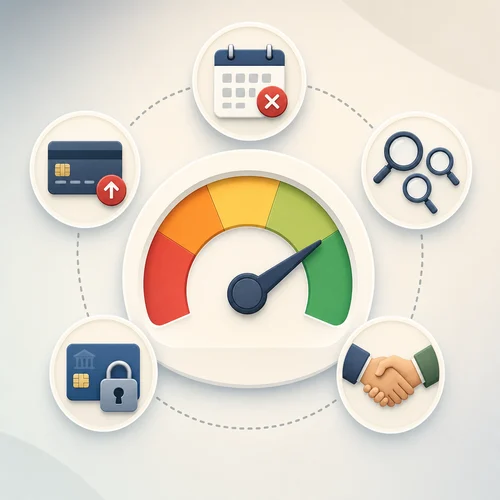
Bad credit changes the decision. Lenders generally use your credit history, income, expenses and existing debts to assess whether you are likely to repay. If your credit file shows missed repayments, defaults, high debt levels or bankruptcy history, a lender may view the application as higher risk. This can lead to a declined application, a smaller loan amount, higher interest rates or stricter loan terms.
This guide explains common finance options for cosmetic or plastic surgery when your credit history is not ideal. It is general information only and does not recommend that a loan is suitable for your circumstances.
What does bad credit mean for a cosmetic surgery loan?
Bad credit usually means your credit history shows past difficulty managing borrowed money. Examples can include late payments, loan defaults, high credit utilisation or bankruptcy. It is different from having no credit history, where there may simply be limited information for a lender to assess.
For cosmetic surgery finance, bad credit may affect:
- Approval: some lenders may decline applications that do not meet their credit criteria.
- Interest rates: higher-risk borrowers may be offered higher rates, increasing the total cost of borrowing.
- Loan terms: repayment periods, fees, loan amounts or conditions may be less flexible.
- Security requirements: a lender may prefer a secured loan backed by an asset.
- Need for support: some borrowers may consider a guarantor or co-signer, although this creates serious obligations for that person.
Before applying, it is worth checking your credit report and understanding what a lender is likely to see. If there are errors, addressing them before an application may help you avoid unnecessary complications.
Loan options for plastic surgery with bad credit
There is no single loan type that suits every borrower. Each option has trade-offs, particularly when your credit history is weak.
Unsecured personal loans
An unsecured personal loan does not require collateral such as a car or property. This can be appealing because you are not directly pledging an asset. However, because the lender has no security to rely on, the assessment may place greater weight on your credit history and capacity to repay.
With bad credit, unsecured personal loans may come with higher interest rates or may be harder to obtain. It is important to compare the full loan cost, not only the advertised repayment amount.
Secured loans using collateral
A secured loan is backed by an asset such as a car or other acceptable property. Because collateral can reduce the lender's risk, secured loans may sometimes be considered where an unsecured loan is not available or is too expensive.
The main risk is serious: if you default, the asset used as security may be at risk. A secured loan should only be considered after carefully assessing whether repayments remain manageable under realistic conditions.
Peer-to-peer lending
Peer-to-peer lending platforms connect borrowers with individual investors or lenders. These platforms may have different assessment methods from traditional lenders and may offer more flexible options for some borrowers.
However, fees, rates and conditions still matter. As with any finance agreement, read the terms carefully and check whether platform fees or other charges increase the total cost.
Medical credit cards and healthcare finance
Some credit products are designed for healthcare expenses, including cosmetic procedures. They may advertise interest-free periods or payment flexibility. These features can be useful only if the balance can be repaid within the required timeframe and the terms are understood.
If the interest-free period ends before the balance is repaid, interest charges can become expensive. Approval may also be difficult with poor credit, and missed payments can create further financial pressure.
Clinic payment plans
Some cosmetic surgery clinics offer in-house payment plans. These may allow instalments instead of paying the whole procedure cost upfront. In some cases, clinic plans may feel simpler than applying through a separate lender.
Before agreeing, ask for the full terms in writing. Check whether interest, administration fees, late fees or third-party finance providers are involved. A payment plan is still a financial commitment, even if it is arranged through a clinic.
Using a guarantor or co-signer
A guarantor or co-signer with stronger credit may improve a lender's confidence in the application. This can sometimes help a borrower with bad credit access finance or obtain different terms.
This arrangement creates risk for both people. If you do not make repayments as agreed, the guarantor or co-signer may become responsible for the debt, and their credit record may be affected. Both parties should understand the repayment obligations before signing anything.
Improving your chances before applying
There is no guaranteed way to be approved, but preparation can reduce avoidable issues and help you make a more informed decision.
- Review your budget: compare your income, essential expenses, existing debts and realistic spare cash.
- Check your credit report: understand your credit standing and dispute any inaccuracies you identify.
- Pay bills on time: a pattern of on-time repayments can support better credit management over time.
- Reduce existing debt where possible: lowering debt commitments may improve repayment capacity.
- Prepare documents: lenders may ask for proof of income, bank statements, tax information or details of current debts.
- Avoid multiple rushed applications: comparing options first can help you avoid applying for unsuitable products.
If surgery is not urgent, delaying the procedure while you save or improve your credit position may reduce the need for high-cost borrowing.
Affordability checks for bad-credit cosmetic surgery finance
Bad-credit finance can become expensive, so affordability should be assessed using the total cost of the loan rather than the procedure price alone.
| Cost or risk area | What to check |
|---|---|
| Interest rate | How much interest will be charged over the full loan term? |
| Fees | Are there application fees, platform fees, late payment fees or early repayment penalties? |
| Repayment schedule | Can you afford the repayments alongside rent, mortgage, bills, debts and living costs? |
| Procedure-related extras | Have you allowed for consultation fees, anaesthesia, post-operative care or medical supplies if applicable? |
| Unexpected events | Could you keep paying if income fell or another expense arose? |
| Collateral | If the loan is secured, what asset is at risk if repayments are missed? |
A realistic financial plan should include the loan repayments, procedure-related costs and an emergency buffer. If the loan leaves no room for unexpected expenses, it may create repayment stress.
Alternatives to borrowing
A loan is not the only way to fund cosmetic surgery. Alternatives may take longer, but they can reduce or avoid interest costs.
Saving gradually
Setting up a dedicated savings account for the procedure can help you build funds over time without taking on debt. This approach can also give you more time to consider the procedure, compare clinics and plan for recovery-related expenses.
Adjusting the timing of the procedure
Postponing surgery may be financially sensible if it allows you to reduce existing debts, improve your credit record or save for a larger deposit.
Clinic instalment arrangements
Clinic payment plans may be an alternative to a separate loan, but they should still be treated as a credit commitment if fees, interest or third-party finance are involved.
Insurance possibilities
Most cosmetic procedures are not covered by insurance. However, where a procedure is reconstructive or medically necessary, it may be worth checking your policy or speaking with your insurer to understand whether any cover may apply.
Support from family, friends or crowdfunding
Some people consider help from family, friends or crowdfunding. These options avoid a conventional lender, but they can still carry personal obligations and should be approached carefully.
Warning signs of risky lenders or scams
Borrowers with bad credit can be targeted by lenders or schemes promising easy access to money. Be cautious of:
- guaranteed approval claims with no meaningful assessment;
- pressure to sign quickly before you have read the terms;
- requests for upfront fees before any loan is provided;
- unclear lender details or limited contact information;
- loan documents that do not clearly explain interest, fees and repayment obligations.
Research any lender or finance provider before applying. If the terms are unclear, ask questions or seek independent financial guidance before signing.
Questions to ask before signing a loan agreement
- What is the total amount I will repay, including interest and fees?
- Are repayments fixed, and how often are they due?
- What happens if I miss a repayment?
- Is the loan secured against an asset?
- Are there early repayment fees or other penalties?
- Does the surgery quote include related costs such as consultation, anaesthesia and post-operative care?
- Could I delay the procedure and save instead?
- If a guarantor or co-signer is involved, do they fully understand their obligations?
Final thoughts
Getting a loan for plastic or cosmetic surgery with bad credit may be possible, but it can involve higher costs, stricter conditions and greater repayment risk. Options may include unsecured personal loans, secured loans, peer-to-peer lending, medical credit products, clinic payment plans or support from a guarantor.
The key is to understand the full financial commitment before proceeding. Compare terms carefully, read loan documents in full, allow for procedure-related extras and consider whether saving or delaying the procedure would reduce financial pressure. If you are unsure, consider seeking professional financial advice before entering a loan agreement.