The Australian car finance market offers a variety of options suitable for different financial situations and needs. Whether you're considering purchasing a new vehicle or a used one, understanding your financing options is essential. This means knowing what lenders are looking for, what terms are available, and how different financing products work.
Being an informed car buyer doesn't only save you money; it can also influence your long-term financial stability. As you dive into the car financing world, staying informed and prepared will empower you to make decisions that align with your financial goals and lifestyle. In this article, we'll explore the impact of your credit score on the car financing options available to you, ensuring you're well-equipped with the knowledge needed to secure a favorable deal.
Understanding Credit Scores
Definition of a Credit Score
A credit score is a numerical representation of your creditworthiness, a crucial factor lenders consider when evaluating your car loan application. It reflects your financial habits and your reliability in repaying borrowed money. This score helps lenders assess the risk associated with lending to you and influences the terms and conditions you may receive.
How Credit Scores Are Calculated
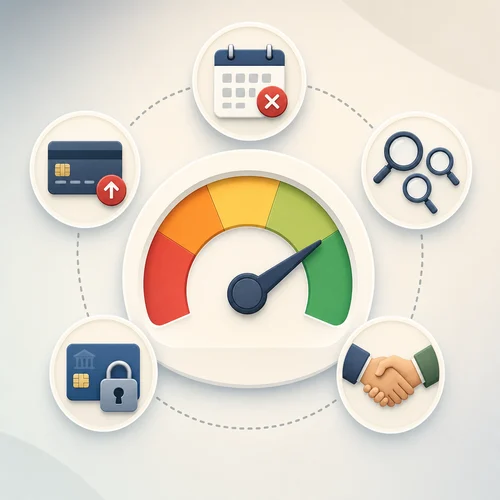
Credit scores are calculated using data from your credit report. This report includes your payment history, the amount of debt you have, the length of your credit history, recent credit inquiries, and the types of credit accounts you have. Each of these elements contributes to your overall score, and understanding how they do can help you manage and improve your credit score.
Factors Influencing Your Credit Score
Various factors influence your credit score. Your payment history is one of the most significant factors. Consistently paying your bills on time positively impacts your score. Conversely, missed payments or defaults can negatively affect it. The amount you owe compared to your credit limits, often referred to as your credit utilisation ratio, also plays a crucial role.
Other factors include the length of your credit history, indicating your experience with credit, and the diversity of your credit portfolio. Each inquiry for new credit lines can lower your score slightly as well, so it's important to manage how often you apply for new credit. By being aware of these factors, you can take strategic steps to maintain or improve your credit score.
Why Your Credit Score Matters for Car Financing
Impact on Loan Approval
Your credit score plays a pivotal role in the car financing process. It is often the first thing lenders look at when determining your eligibility for a loan. A higher credit score signals to lenders that you are a reliable borrower, increasing your chances of loan approval. Conversely, a low credit score may raise red flags, causing lenders to deny your application or require a guarantor.
In Australia, lenders use your credit score as a benchmark to evaluate your financial responsibility and predict the likelihood of you meeting your loan obligations. Therefore, maintaining a healthy credit score is essential, especially when you're ready to finance a vehicle.
Influence on Interest Rates
The interest rate you receive on a car loan is significantly influenced by your credit score. Lenders offer better interest rates to individuals with higher credit scores, effectively lowering the overall cost of the loan. This means that by improving your credit score, you could save a substantial amount of money over the life of your car loan.
If your credit score is on the lower side, you may still get approved for a loan, but expect to pay higher interest rates. This is because lenders perceive you as a higher risk, and they compensate for this risk by charging more interest.
Effects on Loan Terms and Conditions
Your credit score can also affect the terms and conditions of your car loan. A strong credit profile often provides leverage to negotiate more favourable loan terms, such as a longer loan duration or flexible repayment options. In contrast, a poor credit score could limit your options and result in stricter lending terms.
Lenders might impose additional conditions, such as requiring a larger down payment or offering shorter repayment periods to mitigate risk. Understanding how your credit score influences these aspects can help you prepare better when negotiating your car financing options.
Options for Car Financing Based on Credit Score
Options for Individuals with High Credit Scores
Individuals with high credit scores often find themselves in an advantageous position when it comes to car financing. Lenders view these borrowers as low-risk and typically offer them the best financing terms available. This might include lower interest rates, which translate to lower monthly payments and significant savings over the loan's duration.
Moreover, a strong credit score might offer greater flexibility in choosing loan terms and even the option for zero-deposit financing. With a higher credit score, you may also have more bargaining power, allowing you to negotiate additional perks or discounts on your loan.
Opportunities for People with Average Credit Scores
If your credit score is average, you still have access to a variety of car financing options, though they might not be as favorable as those available to people with higher scores. Lenders might offer reasonable interest rates, though they could be slightly higher to compensate for perceived risks.
Consumers with average credit scores should shop around and compare offers from different lenders to find the most competitive rate. It might also be beneficial to consider a secured car loan, where the vehicle itself serves as collateral, thereby reducing the lender's risk and potentially lowering your interest rate.
Financing Strategies for Those with Low Credit Scores
Having a low credit score doesn't mean car financing is out of reach, but it does require a strategic approach. Lenders may be hesitant and could offer loans with higher interest rates or require a larger down payment to offset the risk.
To improve your chances, consider working with lenders who specialize in loans for individuals with bad credit. Additionally, taking steps to improve your credit score before applying can make a significant difference. Demonstrating financial responsibility by paying off existing debts and avoiding new credit inquiries can boost your score over time, leading to better financing options.
Improving Your Credit Score for Better Financing Offers
Tips for Building a Healthier Credit Score
Building a healthier credit score is a proactive way to enhance your car financing options. Start by ensuring you pay all your bills on time, as timely payments are critical in boosting your score. Even small late payments can adversely affect your credit, so strive for consistency.
Keep your credit card balances low relative to your credit limits. This is known as maintaining a low credit utilization ratio and it positively impacts your credit score. If possible, aim to pay off your credit card balances in full each month to avoid accumulating debt.
Common Pitfalls to Avoid
Avoiding common pitfalls is crucial when looking to improve your credit score. One such pitfall is applying for multiple credit accounts in a short period, which can be perceived as financial instability by lenders. Limit new credit inquiries to maintain your score.
It's equally important not to close unused credit accounts, as having a longer credit history can benefit your score. Additionally, regularly check your credit report for errors. Any inaccuracies could unjustly lower your score, so dispute them promptly.
Resources for Credit Improvement
Numerous resources are available to assist Australians in improving their credit scores. Credit counseling services provide personalized advice to help you manage debt and improve your credit. Many banks and financial institutions offer tools and educational materials online.
You can also obtain a free copy of your credit report to monitor your progress. Being informed and proactive about your credit management is key to securing better car financing offers in the future.
Alternative Car Financing Solutions
Using a Co-signer for Better Terms
One alternative car financing solution for individuals with less-than-ideal credit scores is to use a co-signer. A co-signer, typically someone with a higher credit score, agrees to take responsibility for the loan payments if the primary borrower defaults. This reduces the risk for lenders and can result in more favorable loan terms.
With a co-signer, you might qualify for a lower interest rate and more flexible loan conditions, effectively lowering the cost of your car loan. It's crucial to choose a co-signer who understands the responsibility and is willing to help. Both parties should be clear about the loan obligations to avoid any potential misunderstandings.
Exploring Buy Here, Pay Here Dealerships
Buy here, pay here (BHPH) dealerships provide another alternative financing option, especially for those who struggle to secure a traditional loan. These dealerships offer in-house financing, meaning they act as both the seller and the lender. This can be advantageous if you have a low credit score, as the approval process may be less stringent.
However, it's important to note that BHPH loans often come with higher interest rates and shorter loan terms. Potential buyers should carefully read the terms and conditions to ensure they can comfortably manage the payments. Despite the higher costs, this option can be a stepping stone to vehicle ownership for those with limited options.
Investigating Lease Options if Purchasing Is Not Feasible
Leasing a vehicle can be an attractive alternative to buying, particularly if purchasing a car outright or securing a loan isn't feasible. Leasing generally requires lower monthly payments compared to a traditional loan, as you're essentially paying for the vehicle's depreciation over the lease term.
While leasing doesn't build equity in a vehicle, it allows you to drive a new or near-new car without the large upfront costs of buying. At the end of the lease, you'll have the option to purchase the vehicle or lease another one. This can be a practical solution for those prioritizing low monthly payments and flexibility.
Conclusion
Your credit score holds significant influence over the car financing options available to you. It impacts not only your eligibility for a loan but also the interest rates and terms you may receive. Throughout this article, we've emphasized how a strong credit score can unlock a wider range of favorable financing options, potentially saving you money over the life of your car loan.
While a low credit score can present challenges, it's important to remember that individuals in this situation still have options. By taking actionable steps to improve your credit score, such as making timely payments and managing credit inquiries wisely, you can enhance your financial profile and expand your car financing prospects in the future.
As you consider your next car purchase, approach the process with confidence. Empower yourself with knowledge, explore all available options, and don't hesitate to take proactive measures towards credit improvement. Your financial health plays a crucial role in achieving your car ownership goals, so stay informed and prepare the groundwork for favorable financing opportunities.
For further insights and resources, we invite you to delve into our additional articles and tools available on our website. By staying informed and proactive, you can navigate the car financing landscape with ease and confidence.
Published: Wednesday 25th March, 2026
Last updated: Wednesday 25th March, 2026