Understanding caravan financing
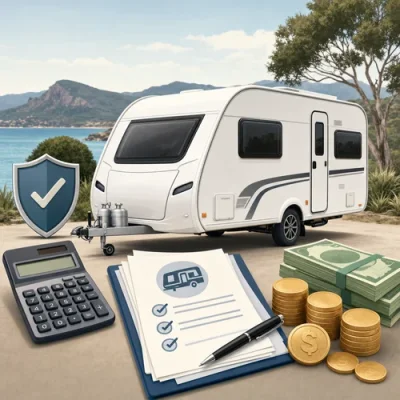
For many Australians, buying a caravan outright can be a substantial upfront cost. Caravan financing allows a buyer to purchase a caravan and repay the amount borrowed over an agreed loan term, rather than paying the full purchase price at once.
Finance can support cash flow, but it also creates an ongoing repayment commitment. Before choosing a loan, it is important to understand how different finance types work, what affects the cost of borrowing and how the loan fits with the broader costs of caravan ownership, including insurance, registration, maintenance and travel expenses.
Common caravan finance options
Australian caravan buyers may consider several types of finance. The most suitable structure depends on the caravan being purchased, the lender's criteria and the borrower's financial circumstances.
| Finance option | How it works | Key considerations |
|---|---|---|
| Personal loan | A personal loan provides funds that can be used toward the caravan purchase. | May be secured or unsecured. Interest rate, fees and loan term affect the total amount repaid. |
| Dealership finance | Finance is arranged through the caravan dealer, often as part of the purchase process. | Can be convenient, but buyers should compare the total purchase price, fees, rate and conditions against other finance options. |
| Secured caravan loan | The loan is secured against an asset, often the caravan itself. | May offer different rates or terms from unsecured borrowing, but the secured asset can be at risk if repayments are not met. |
| Unsecured loan | The lender does not take security over the caravan or another asset for the loan. | May involve higher interest rates than secured finance, depending on lender criteria and the borrower's profile. |
| Home loan refinance | Some borrowers consider refinancing or increasing a home loan to fund a caravan purchase. | This can spread repayment over a longer period and may increase total interest paid. It should be considered carefully. |
Personal loans
Personal loans can be a straightforward way to finance a caravan. They may offer predictable repayments, particularly where the interest rate is fixed. A personal loan can also provide flexibility where funds are needed for the purchase rather than being tied to dealer finance.
However, borrowers should compare the total repayment amount over the full term, not only the monthly repayment. A longer term may reduce each repayment but can increase the amount of interest paid overall.
Dealership finance
Dealership finance may appeal to buyers who want to arrange the caravan purchase and finance in one place. Some dealers may have relationships with lenders and may promote particular finance offers for new caravans.
Convenience should be weighed against the full cost of the deal. Buyers should review the contract carefully, including the caravan price, fees, repayment schedule, interest rate and any conditions that apply.
Secured and unsecured loans
A secured loan is backed by an asset, such as the caravan itself. This can affect the rate and terms offered by a lender, but it also means the asset may be at risk if the borrower defaults.
An unsecured loan does not use the caravan or another asset as security. This may be preferred by borrowers who do not want to offer security, although rates and eligibility criteria may differ. For more detail on this structure, see this guide to secured caravan loans and borrower obligations.
Assessing affordability before you borrow
Before applying for finance, review your income, regular expenses and existing debts. The aim is to understand what repayment amount could fit within your budget without creating pressure on essential living costs or other commitments.
Caravan ownership also involves costs beyond the loan repayment. These can include insurance, maintenance, registration and travel-related expenses. If insurance is part of your planning, this overview of caravan insurance in Australia explains common cover types and comparison points.
A repayment estimate can help you compare different loan amounts, rates and terms before speaking with a lender. You can use the caravan loan repayment calculator to model repayment scenarios and consider how the numbers may affect your budget.
How credit history may affect caravan finance
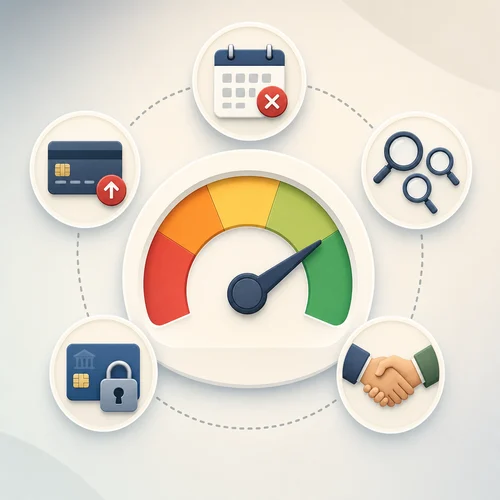
Lenders commonly consider credit history when assessing a finance application. This may influence whether finance is offered and what interest rate, term or conditions may apply.
Factors that may be relevant include repayment history, existing debts, income stability and the lender's assessment of affordability. If your credit history is not strong, taking steps such as reducing outstanding debts and making repayments on time may improve the way future applications are assessed. However, no single step guarantees approval or a particular rate.
Comparing caravan loan rates and terms
When comparing caravan finance, it is useful to look beyond the advertised rate. The total cost of borrowing can be affected by the interest rate, loan term, fees, repayment frequency and whether the loan allows extra repayments.
- Interest rate: A lower rate can reduce interest costs, but fees and loan structure also matter.
- Loan term: Shorter terms may mean higher repayments but less interest over time. Longer terms may reduce repayments but increase total interest.
- Fees: Establishment fees, ongoing fees or early repayment costs can affect the overall cost.
- Repayment flexibility: Some loans allow additional repayments, while others may limit them or charge fees.
- Lender service and transparency: Clear communication and understandable loan documents can make the process easier to manage.
If you decide to make an enquiry or compare available options, you can compare caravan finance options through the site's quote-start page.
Fixed versus variable interest rates
A fixed interest rate stays the same for the agreed fixed-rate period, which can make repayments easier to budget for. This may suit borrowers who prefer repayment certainty.
A variable interest rate can move with market conditions or lender pricing changes. This may result in repayments changing over time. Borrowers considering a variable rate should think about whether their budget could handle repayment increases.
The caravan finance application process
The process varies between lenders, but most applications involve providing information about your identity, income, expenses and existing financial commitments. Being prepared can help the lender assess the application more efficiently.
Documents you may need
- Proof of identity, such as a driver licence or passport
- Proof of income, such as recent payslips or tax returns
- Details of existing loans, credit cards or other commitments
- Information about the caravan being purchased, where available
- Bank statements or other supporting documents if requested by the lender
Assessment and timing
After an application is submitted, the lender reviews the information provided, checks the applicant's financial position and decides whether to offer finance and on what terms. Timing can vary depending on the lender, the complexity of the application and whether further documents are required.
If an application is declined
If a finance application is declined, it can be useful to understand the reason before applying elsewhere. The issue may relate to credit history, income, existing debts, affordability or the amount requested.
Possible next steps include reviewing your credit file, reducing existing debts, adjusting the loan amount or considering a different finance structure. These steps may help improve a future application, but they do not guarantee approval.
Managing a caravan loan after settlement
Once a loan is in place, good repayment management can help keep the finance on track. A practical budget should include the loan repayment as well as caravan running costs and other household commitments.
- Set reminders or automatic payments to reduce the risk of missed due dates.
- Review statements so you understand how much is being paid toward interest and principal.
- Check whether extra repayments are allowed and whether fees apply.
- Keep insurance, registration and maintenance costs in the budget so they do not disrupt loan repayments.
Early or extra repayments
Making extra repayments may reduce the loan balance faster and may lower total interest costs, depending on the loan structure. Before paying extra, check whether the lender allows additional repayments and whether early repayment fees or limits apply.
If repayments become difficult
If you are struggling to meet repayments, contact the lender as early as possible. Lenders may have hardship processes or temporary arrangements that can be discussed. A free financial counsellor may also be able to provide guidance based on your situation.
Key takeaways
Caravan finance can make a caravan purchase more manageable by spreading the cost over time, but it should be compared carefully. The main points to review are the type of loan, whether it is secured or unsecured, the interest rate, fees, term, repayment flexibility and the ongoing costs of caravan ownership.
Taking time to assess affordability, prepare application documents and understand the loan conditions can help you make a more informed decision before committing to finance.