Applying for commercial truck finance is rarely just about the truck. Lenders usually want to understand the borrower, the business, the income behind the repayments, the condition and value of the vehicle, and the overall risk of the transaction. If you are self-employed, have variable income, cannot provide full financial statements, or have past credit issues, the assessment may involve extra questions.
Limited documentation and credit concerns do not necessarily mean a commercial truck loan is out of reach. However, they can affect which lenders may consider your application, the evidence requested, the deposit required, the interest rate offered, the loan structure and the time it takes to assess the deal. The right preparation can help you present your situation more clearly and avoid avoidable setbacks.
This article explains how low doc truck loans and bad credit truck loans are commonly assessed in Australia, what lenders may look for, and practical steps commercial truck buyers can take before applying. For a broader overview of commercial and private truck loan pathways, you can also visit Truck Loans Australia.
What commercial truck loan approval usually involves
For a standard commercial truck loan application, lenders commonly assess several broad factors:
- Capacity to repay: whether the business or applicant appears able to meet the proposed repayments alongside existing expenses and debts.
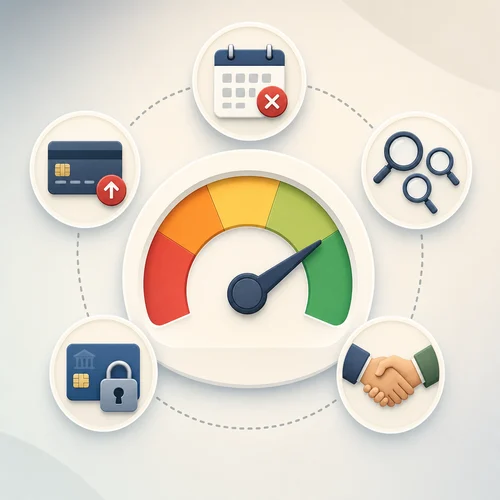
- Credit history: how the applicant has handled previous loans, credit cards, trade accounts, defaults, arrears or other obligations.
- Business strength: trading history, industry experience, contracts, cash flow, business bank account conduct and stability of income.
- Asset quality: the type, age, condition, kilometres, value and intended use of the truck being financed.
- Loan structure: deposit, trade-in, term, balloon payment, security, repayment frequency and whether the structure suits the business cash flow.
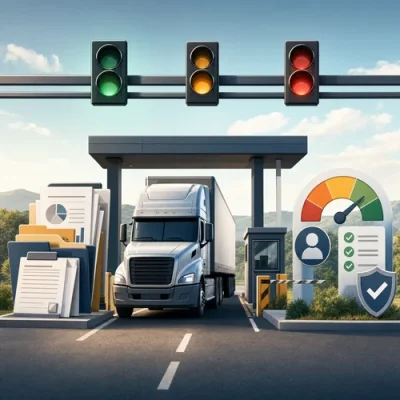
- Documentation: the evidence available to verify identity, business activity, income, expenses, taxation position and vehicle details.
When documentation is limited or credit history is impaired, lenders may place more weight on the other parts of the application. For example, a larger deposit, stronger bank statements, a suitable truck, stable recent trading and a clear explanation of past credit problems may all be relevant. Outcomes still depend on individual circumstances and each lender's criteria.
What limited documentation means in truck finance
Limited documentation does not mean no documentation. In commercial truck finance, low documentation truck finance generally refers to applications where the borrower cannot provide the full set of financial records that a traditional lender might request, such as completed tax returns, accountant-prepared financial statements or several years of business accounts.
This can happen for many legitimate reasons. A sole trader may have variable seasonal income. A new owner-driver may have only recently started trading. A growing business may have current turnover that is stronger than its last lodged tax return suggests. A self-employed applicant may have business bank statements and BAS records but not fully finalised annual accounts.
In these situations, lenders may consider alternative evidence. This might include recent business bank statements, BAS, accountant letters, invoices, signed work contracts, ATO portals or other records that help demonstrate business activity and cash flow. The exact evidence required varies by lender and loan type.
How credit issues can affect commercial truck loan eligibility
Credit history is a major part of commercial truck loan eligibility because it gives lenders insight into how previous financial commitments have been managed. Credit issues can include missed repayments, defaults, court judgments, debt agreements, bankruptcy history, excessive recent credit enquiries, unpaid tax debts or ongoing arrears with existing lenders.
Credit issues may affect an application in several ways:
- Fewer lender options: some lenders have strict credit policies and may not consider certain credit events.
- Higher pricing: if a lender considers the application higher risk, the interest rate, fees or total cost may be higher.
- Greater deposit requirements: the lender may ask for more equity upfront to reduce the amount borrowed against the truck.
- More evidence required: the applicant may need to explain what caused the issue and show how circumstances have improved.
- Different loan conditions: the lender may adjust the loan term, balloon, security requirements or repayment structure.
Truck finance with bad credit is not a single product with one set of rules. It is a broad term used for applications where the borrower has past or current credit concerns and is seeking a lender willing to assess the full situation. Some lenders may consider these applications; others may not. Approval, pricing and terms depend on the details of the credit history, the current financial position and the lender's risk appetite.
Low doc and bad credit are different issues
Limited documentation and bad credit are often discussed together, but they are not the same problem. A borrower may have excellent credit but limited current financial documents. Another borrower may have complete accounts but a history of defaults. Some applicants may have both.
| Issue | What it means | What may help |
|---|---|---|
| Limited documentation | The applicant cannot provide the full financial documents usually requested, such as complete tax returns or accountant-prepared accounts. | Recent bank statements, BAS, invoices, accountant confirmation, contracts, trading history and evidence of consistent cash flow. |
| Credit issues | The applicant has past or current credit concerns such as defaults, arrears, excessive enquiries or formal debt events. | A clear explanation, evidence that the issue is resolved or being managed, recent repayment conduct, reduced debts and realistic loan sizing. |
| Both issues together | The lender has less traditional income evidence and also sees higher credit risk. | Stronger deposit, conservative vehicle choice, clear business case, organised records and guidance before submitting applications. |
Understanding which issue applies to your situation can help you prepare the right evidence. It can also help avoid applying to lenders whose criteria are unlikely to match your circumstances.
Documents and evidence lenders may request
The exact requirements vary, but commercial truck loan applicants are often asked for information across several categories. If you are seeking low doc truck loans or have credit concerns, being organised can reduce delays and improve the quality of the application.
- Identification: driver's licence and other identity documents as required by the lender.
- Business details: ABN, business name, entity structure, GST registration details if applicable, and trading history.
- Income evidence: business bank statements, BAS, tax returns, financial statements, invoices, contracts or accountant information.
- Existing debts: current loans, leases, credit cards, overdrafts, trade accounts and repayment obligations.
- Credit explanation: details of any defaults, arrears or adverse credit events, including whether they have been paid or resolved.
- Vehicle information: dealer invoice, private sale details, make, model, year, kilometres, condition, valuation and intended business use.
- Deposit or trade-in: evidence of funds available or details of any vehicle being traded.
If paperwork is your main concern, a structured document process can make a practical difference. The related guide, The Ultimate Checklist for Managing Truck Loan Paperwork in Australia, covers document organisation in more detail.
How to strengthen an application with limited documents
If you cannot provide full financial statements, the goal is to help the lender understand your income and repayment capacity through other reliable evidence. The following steps may help, depending on your circumstances.
Show recent cash flow clearly
Recent business bank statements can be important because they show money moving through the business in real time. Lenders may look for regular income, manageable expenses, limited dishonours, and a pattern that supports the proposed repayment. If income is seasonal, explain the cycle rather than leaving the lender to guess.
Prepare a practical business summary
A concise business summary can help explain what the truck will do for the business. Include the type of work performed, major clients or contract types, how long the business has operated, where the truck will be used, and how the vehicle is expected to support income. Avoid inflated forecasts or unsupported claims.
Keep tax and BAS records as current as possible
Even where a lender offers low documentation truck finance, outdated tax or BAS records may still raise questions. If your records are behind, consider speaking with your accountant before applying. Lenders may take a more cautious view if they cannot see enough recent financial activity or if tax obligations appear unmanaged.
Match the truck to the business need
A truck that is suitable for the job, priced reasonably and aligned with the business income may be easier to assess than a purchase that appears excessive. Lenders may consider whether the asset type, age, condition and cost make sense for the proposed use.
How to prepare if you have bad credit
Bad credit truck loans require careful preparation because multiple unsuccessful applications can create further credit enquiries and may make the situation harder to explain. Before applying, it is worth understanding what appears on your credit file and whether any issues can be corrected or resolved.
Review your credit file before applying
Check your credit report for errors, outdated information or accounts you do not recognise. If something is incorrect, you may be able to dispute it with the relevant credit reporting body or credit provider. If the information is correct, prepare an honest explanation of what happened and what has changed.
Explain the cause and the recovery
Lenders may distinguish between an isolated past issue and a pattern of ongoing repayment problems. For example, a paid default from a difficult period several years ago may be viewed differently from current arrears or repeated unpaid debts. Provide context, but keep it factual and concise.
Reduce avoidable risk before applying
Where possible, bring existing accounts up to date, avoid unnecessary new credit, reduce short-term debts and ensure current repayments are being made on time. A recent pattern of stable repayment behaviour may help support the application, although it does not guarantee approval.
Avoid making many applications at once
Submitting several applications in a short period may result in multiple credit enquiries. This can affect how some lenders view your application. If credit preservation is a concern, read Truck Loan Approval: Strategies to Avoid Credit Damage before approaching lenders.
Deposit, security and loan structure may matter more
When a lender sees limited documents or credit issues, the structure of the loan can become more important. A larger deposit or trade-in may reduce the lender's exposure. A shorter loan term may reduce risk but can increase regular repayments. A balloon payment may reduce regular repayments but leaves a larger amount due at the end of the term.
There is no single structure that suits every business. A repayment that looks manageable on paper may become difficult once fuel, insurance, registration, maintenance, tyres, tolls, wages and downtime are included. Before applying, it can be useful to model different repayment amounts and terms using a truck finance calculator. Treat calculator outputs as estimates only, not as an approval or quote.
Risks to understand before choosing low doc or bad credit truck finance
Low doc truck loans and bad credit truck loans can provide access to finance where a standard application may be difficult, but they may also involve trade-offs. Before proceeding, consider these risks:
- Higher total cost: interest rates, fees or charges may be higher where the lender considers the application higher risk.
- Less flexibility: some loan structures may have tighter conditions, shorter terms or restrictions around early payout.
- Asset risk: if the truck is used as security and repayments are not maintained, the lender may have rights in relation to the vehicle.
- Cash flow pressure: repayments that are too high can affect fuel, maintenance, wages and other operating costs.
- Balloon risk: a large end-of-term payment may be difficult if resale value, refinance options or business cash flow do not meet expectations.
- Credit impact: missed repayments on the new loan can further affect credit history and future borrowing options.
Read the loan contract carefully and ask questions about fees, early repayment, balloon payments, default consequences, security and any personal guarantees. If you are unsure, consider seeking independent financial, legal or tax advice before signing.
When to consider getting help before applying
If your situation is straightforward, you may feel comfortable comparing lender requirements yourself. If you have limited documentation, past defaults, complex business income, multiple entities, tax debt, a private sale vehicle or urgent settlement timing, it may be worth discussing the application before submitting it.
A finance broker may help identify which lenders are more likely to assess certain situations, what documents are worth preparing, and how to present the application clearly. Broker involvement does not guarantee approval or a particular rate, and any outcome will depend on your circumstances and lender criteria. If you want support reviewing documents and eligibility pathways, you can start with the site's broker information.
Practical checklist before you apply
Before submitting a commercial truck loan application with limited documents or credit concerns, work through this checklist:
- Check your credit report and identify any issues that may need explanation.
- Gather recent business bank statements and any available BAS, tax, invoice or contract records.
- Prepare a short explanation of your business, trading history and how the truck will generate or support income.
- Confirm the truck's price, age, kilometres, condition and suitability for the intended work.
- Calculate repayments under several loan terms and include running costs in your budget.
- Decide how much deposit or trade-in equity you can realistically contribute.
- Avoid submitting multiple applications without understanding the likely credit impact.
- Ask about fees, rates, balloon payments, early payout terms, security and default consequences.
- Consider professional advice if the loan is large, the structure is complex or your financial position is uncertain.
Final thoughts
Limited documentation or credit issues can make commercial truck loan approval more complex, but a well-prepared application can still give lenders a clearer picture of your situation. The key is to be realistic, organised and transparent. Low doc truck loans still require evidence, and truck finance with bad credit still requires a lender to be satisfied that the loan is manageable.
Focus on showing current repayment capacity, explaining past issues honestly, choosing a truck that suits the business, and understanding the full cost of the finance before signing. This information is general in nature and does not take into account your objectives, financial situation or needs. Eligibility, pricing, approval and loan terms depend on your circumstances and the criteria of the lender or finance provider.