Startup loan vs business line of credit: the key difference
A startup loan generally provides a lump sum that is repaid over an agreed term. It is often used for defined, larger expenses such as equipment, fit-out costs, initial stock, lease costs or launch marketing.
A business line of credit provides access to an approved credit limit that can be drawn on as needed. Instead of receiving all funds at once, the business can borrow, repay and, where the facility is revolving, borrow again up to the available limit.
The practical difference is purpose. A startup loan is usually more structured and predictable. A line of credit is usually more flexible and is often used to manage short-term working capital, cash flow gaps or unexpected expenses.
| Feature | Startup loan | Business line of credit |
|---|---|---|
| How funds are accessed | Lump sum paid upfront | Draw funds as needed up to an approved limit |
| Typical use | Large setup or one-off expenses | Cash flow, short-term expenses and flexible working capital |
| Repayment style | Scheduled repayments over a set term | Repayments vary by facility; interest may be charged on drawn funds |
| Flexibility | Lower once funds are advanced | Higher, because funds can be drawn when required |
| Common assessment focus | Business plan, projections, credit history and capacity to repay | Revenue, creditworthiness, operating history and facility management |
| Main risk to manage | Fixed repayments may be difficult if revenue is uneven | Easy access to funds can lead to overuse if not controlled |
What is a startup loan?
A startup loan is finance intended to help a new or early-stage business cover establishment costs. Depending on the lender and product, it may take the form of a term loan or another structured business finance facility.
The funds are usually advanced as a lump sum. The business then repays the borrowed amount, plus interest and any applicable fees, over the agreed loan term. Some loans have fixed repayments, while others may have variable-rate or more flexible repayment structures.
What startup loans are commonly used for
- Purchasing business equipment or essential tools
- Leasing or fitting out commercial premises
- Buying initial stock or inventory
- Funding launch marketing or early operating costs
- Hiring staff or contractors during the setup phase
Common benefits of startup loans
- Structured funding: The business receives a defined amount for planned expenses.
- Predictable budgeting: A regular repayment schedule can make it easier to forecast cash flow.
- Useful for one-off purchases: A lump sum can be practical where a business needs to pay for major setup costs upfront.
- Potential credit history benefit: Meeting repayment obligations may help establish a repayment track record, although outcomes depend on the lender, credit reporting and the business’s conduct.
Common drawbacks of startup loans
- Qualification can be demanding: Lenders may ask for a business plan, financial projections, credit history and evidence that repayments are affordable.
- Approval may take time: A lender may need to review documents, assess credit history and understand the business model.
- Repayments are less flexible: Scheduled repayments can place pressure on a new business if revenue is irregular or slower than expected.
- Security or guarantees may be required: Some lenders may require collateral or a personal guarantee, depending on the product and applicant profile.
For more background on what lenders commonly look at, see this guide to business loan eligibility criteria in Australia.
What is a business line of credit?
A business line of credit is a flexible finance facility with an approved credit limit. The business can draw funds when required, repay amounts drawn and, if the facility is revolving, access the available limit again without applying for a new loan each time.
This structure can be useful where funding needs are uncertain or recurring. Rather than borrowing a lump sum before the business knows exactly what it needs, a line of credit allows the business to draw only the amount required at a particular time.
Secured and unsecured lines of credit
Business lines of credit may be secured or unsecured. A secured facility requires security such as business assets, or may involve a personal guarantee. An unsecured facility does not rely on specific collateral in the same way, but lenders may apply different limits, pricing or eligibility criteria.
Security requirements, interest rates, fees and limits vary by lender and by the business’s financial position.
Common uses for a line of credit
- Managing cash flow during slower trading periods
- Covering short-term operating costs
- Paying suppliers while waiting for customer receipts
- Handling unexpected expenses
- Taking advantage of short-term business opportunities
Common benefits of a business line of credit
- Flexible access: Funds can be drawn as needed up to the approved limit.
- Interest may apply only to drawn funds: Depending on the facility, interest is commonly charged on the amount used rather than the full approved limit.
- Useful for seasonal businesses: A line of credit can help manage timing gaps between expenses and income.
- Revolving access: Where the facility is revolving, repaid amounts may become available to draw again.
Common drawbacks of a business line of credit
- Variable costs: Some facilities have variable interest rates, which can make costs less predictable.
- Risk of overuse: Flexible access can lead to unnecessary borrowing if the facility is not managed carefully.
- Possible renewal reviews: A line of credit may need to be renewed or reassessed periodically, and the lender may review the business’s creditworthiness and financial position.
- Fees may apply: Depending on the lender, there may be establishment, ongoing, draw or other facility fees.
Eligibility and application requirements
Eligibility differs by lender and product, but the assessment is usually based on whether the business can reasonably service the finance. A lender may consider both the business and the people behind it, particularly where the business is new and has limited trading history.
For startup loans, lenders may review:
- A business plan and explanation of how the funds will be used
- Financial projections and expected revenue
- Personal and business credit history
- Available security or guarantees, if required
- The owner’s experience and ability to operate the business
For business lines of credit, lenders may review:
- Business revenue and cash flow history
- Existing debts and repayment conduct
- Creditworthiness of the business and owners or directors
- Length of time trading and stability of income
- Security, guarantees or other risk mitigants where relevant
Because a line of credit is often used for short-term working capital, lenders may pay close attention to how reliably the business generates income and manages cash flow.
Interest, fees and repayment structures
The cost of either option depends on the lender, loan amount or credit limit, risk assessment, security position, interest rate type and fees. Startup loans may have fixed or variable rates. Business lines of credit often have variable rates, although terms vary by product.
With a startup loan, repayments are usually scheduled over a defined term. This can support budgeting, but it also means the business must be ready to meet repayments even if revenue is uneven.
With a line of credit, repayments depend on the terms of the facility. Some arrangements may require interest payments while funds are drawn, with principal repaid separately or at the end of a draw period. Others may require regular reductions in the outstanding balance. The detail matters because two facilities with the same limit can have very different cash flow impacts.
Before comparing options, it can help to estimate the effect of different loan amounts, rates and terms using a business loan repayment calculator. For more detail on pricing factors, see this explainer on how business loan interest rates work in Australia.
When a startup loan may be more suitable
A startup loan may be worth considering where the business has a clear, defined funding need and the owner wants a structured repayment plan.
Examples include:
- A new retail business that needs initial inventory, fit-out costs and point-of-sale equipment
- A trade business purchasing essential tools or equipment before taking on work
- A business leasing premises and needing funds for upfront setup expenses
- A startup with planned launch costs and a budget that can support scheduled repayments
The main advantage is clarity. The business knows how much it is borrowing, what the funds are intended for and how repayments are expected to work. The trade-off is that the repayment obligation may be less adaptable if trading conditions change.
When a business line of credit may be more suitable
A business line of credit may be worth considering where the business needs flexibility rather than a single lump sum. It can be particularly useful when expenses and income do not occur at the same time.
Examples include:
- A seasonal business that needs to cover expenses before peak-season revenue arrives
- A business waiting for customer invoices to be paid while supplier bills are due
- A growing business that needs working capital for short-term opportunities
- A business that wants access to funds for unexpected but necessary operating costs
The main advantage is adaptability. The business can draw what it needs and may only pay interest on the amount used. The trade-off is that costs can be less predictable and easy access to credit requires discipline.
How to compare the two options
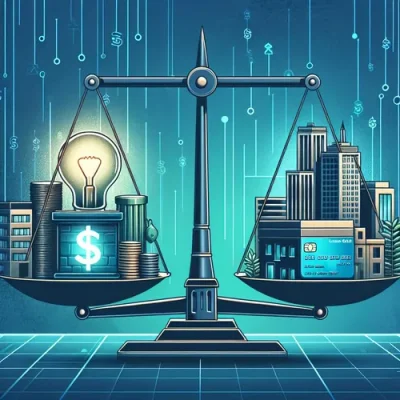
Neither a startup loan nor a business line of credit is automatically better. The right structure depends on the purpose of the finance, the business’s cash flow and the level of certainty around future expenses.
Questions to ask before choosing
- Is the funding need a one-off expense or an ongoing working capital need?
- Does the business need all funds immediately, or only access when required?
- Can the business manage fixed repayments from the start?
- How predictable is revenue over the next few months and years?
- What fees apply in addition to interest?
- Is the facility secured or unsecured, and are guarantees required?
- What happens if the business repays early, draws again or needs to renew the facility?
If you decide to compare available business finance options, keep the comparison focused on the total cost, repayment structure, flexibility, eligibility requirements and how well the facility matches the purpose of the funds.
Managing borrowing risk
Both options can help a business access capital, but both also create repayment obligations. A clear repayment plan is important before taking on debt.
- Use borrowed funds for planned business purposes rather than non-essential spending.
- Model repayments against conservative revenue assumptions.
- Review whether fees, interest and renewal terms could change the total cost.
- Keep records showing how funds are used and how repayments will be managed.
- For a line of credit, set internal limits so the facility does not become a substitute for ongoing profitability.
Business owners who are uncertain about the structure, security requirements or repayment obligations may benefit from professional guidance. You can also learn more about the role of business finance brokers when reviewing finance options.
Bottom line
A startup loan is generally more structured and may suit large, planned setup costs. A business line of credit is generally more flexible and may suit short-term working capital or cash flow fluctuations.
The decision should be based on the purpose of the funds, repayment capacity, flexibility required and the terms offered by the lender. Comparing the full cost and the practical cash flow impact is more useful than focusing on the product name alone.
Published: Sunday 3rd November, 2024
Last updated: Wednesday 19th August, 2026