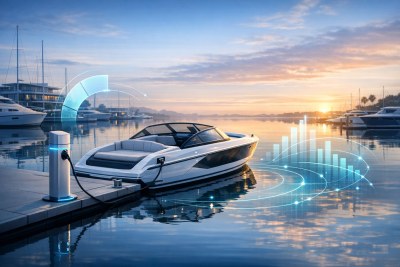

The first issue is total cost, not just purchase price. Electric and hybrid craft may appeal because of quieter operation, lower emissions and potentially reduced fuel use, but the upfront price can be higher than a comparable conventional model. Buyers also need to consider charging access, battery maintenance, warranty length, software updates, specialist servicing and the likely resale market. Those factors can influence how much to borrow, how long to finance the vessel and whether the repayments remain comfortable if other ownership costs change.
This is where careful loan planning becomes more valuable. A buyer comparing an electric day boat with a petrol-powered runabout should not only look at the advertised rate. They should model repayments across different loan terms, deposit levels and interest rate assumptions. A longer term may reduce monthly pressure, but it can also increase the total interest paid. A larger deposit may improve affordability, but it can reduce the savings buffer needed for storage, insurance, safety gear and unexpected repairs.
Lender assessment may also vary as newer propulsion systems become more common. Some lenders may be comfortable with mainstream marine brands and clear valuation data, while less familiar models could require more detail about the boat, battery system, supplier support and intended use. Used electric or hybrid boats may attract additional questions around battery health and remaining warranty, much like older petrol craft are assessed for condition, service history and market value.
For households considering the switch, the practical approach is to compare the lifestyle benefit with the financial commitment. Quiet operation and lower fuel use can be attractive, particularly for inland waterways, short coastal trips or regular marina-based use. However, buyers should still compare finance options, check fees and confirm whether the loan structure matches the asset, the budget and the expected ownership period. As electric boating gains attention, the smartest buyers will treat innovation as one part of the decision, not a substitute for disciplined borrowing.
Please Note: We do not endorse any specific products or companies. Some content is sourced from third parties, including press releases, and may not be independently verified for accuracy or completeness.