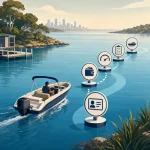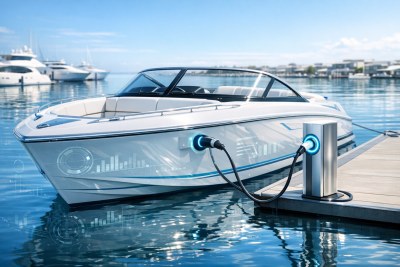

The appeal is easy to understand. Electric propulsion can reduce fuel use, lower noise on the water and simplify some aspects of maintenance. For day boats, tenders, marina-based cruising and short-range recreational use, these benefits may become increasingly attractive as charging infrastructure, battery performance and dealer knowledge improve. Buyers who mostly travel predictable distances could find that electric or hybrid options suit their lifestyle better than they expected.
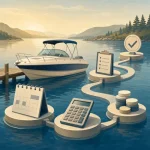
However, the finance conversation needs to be grounded in numbers. Newer technology can carry a higher upfront purchase price, and that may affect the deposit required, the amount borrowed and the loan term a buyer chooses. A boat that looks cheaper to run each weekend may still produce higher monthly commitments if the financed amount is larger. Before signing a contract, buyers should estimate repayments under several scenarios, including different rates, loan terms and deposits.
There are also ownership costs beyond the motor itself. Insurance, storage, servicing, software updates, batteries, charging equipment and resale expectations should all be considered. Some costs may reduce over time as technology matures, but early adopters should avoid assuming that lower fuel use automatically offsets every other expense. As with any boat purchase, the best approach is to compare the full cost of ownership rather than focusing only on the showroom price or the promise of lower running costs.
For lenders, newer marine technology may also require clearer documentation around the vessel, battery system, valuation and intended use. Buyers considering innovative models should be prepared with detailed specifications, dealer information and a realistic budget. Comparing finance options early can help clarify whether a secured boat loan, unsecured loan or alternative structure is likely to suit the purchase.
The broader message is positive: more propulsion choice gives Australian boaters more ways to match a vessel to their lifestyle. But choice also adds complexity. Electric boating may make the time on water quieter and cleaner, yet the smartest buyers will still begin with affordability, loan structure and long-term ownership planning.
Please Note: We do not endorse any specific products or companies. Some content is sourced from third parties, including press releases, and may not be independently verified for accuracy or completeness.