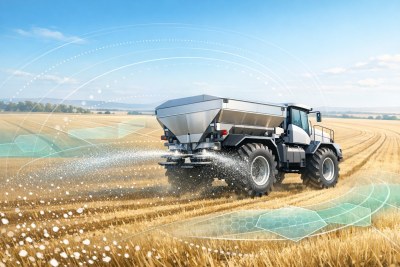
Newer machines are increasingly being promoted with features such as variable-rate capability, weigh cells, section control, boundary spreading, improved metering and integration with prescription maps. The practical attraction is clear: apply fertiliser where it is needed, reduce waste at paddock edges, improve record keeping and make better use of every tonne purchased. In seasons where fertiliser prices or availability are uncertain, those gains can carry real financial weight.
For farm businesses, however, the upgrade case needs to be tested carefully. A more advanced spreader may support improved nutrient efficiency, but it can also bring higher purchase costs, software requirements, calibration demands and operator training. The value of the investment depends on hectares covered, fertiliser program complexity, soil variability, existing guidance systems and how consistently the technology will be used across the enterprise.
This is where finance planning becomes important. Rather than treating a spreader upgrade as a simple replacement purchase, growers may need to assess the equipment as part of a broader input-management strategy. That includes considering whether the machine will reduce overlap, support variable-rate applications, improve timing, or free up labour during peak periods. It also means checking how repayments align with seasonal cash flow, fertiliser purchasing cycles and expected production returns.
There is a useful parallel with precision spraying, where the strongest business cases are often built around both operational benefits and input savings. Fertiliser technology can follow a similar pattern, but assumptions should be conservative. Before committing, growers may want to model repayments under different deposit, trade-in, term and balloon scenarios, especially if the purchase is being bundled with other machinery or guidance upgrades.
The broader message is that nutrient application equipment is moving into the same capital-planning category as seeders, sprayers and harvest gear. The technology may help farms become more precise and efficient, but the finance structure still needs to suit the business. For many growers, the best outcome will come from matching the machine’s agronomic benefits with a repayment plan that protects working capital through the season.
Please Note: We do not endorse any specific products or companies. Some content is sourced from third parties, including press releases, and may not be independently verified for accuracy or completeness.