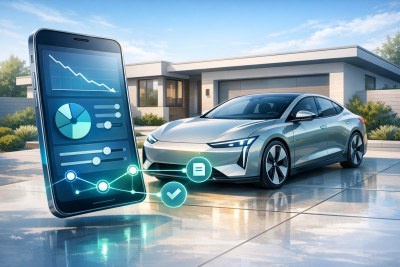
The change is being driven by several forces at once. More electric vehicles are now reaching the used market through ex-demonstrator stock, early adopters trading up, novated lease turnover and fleet replacement cycles. At the same time, new-car price competition, particularly from newer entrants, has put pressure on the resale values of some existing models. When a new vehicle becomes cheaper, the second-hand version often has to adjust as well.
For borrowers, lower used EV prices can reduce the amount that needs to be financed, potentially improving affordability and lowering interest paid over the life of the loan. It may also help buyers who previously found electric vehicles out of reach move into the market with a smaller deposit. This builds on earlier coverage of electrified vehicles moving into the mainstream, but the used market adds a different layer of risk and opportunity.
The main issue is depreciation. If prices keep falling after purchase, borrowers with small deposits or long loan terms may find the car?s market value drops faster than the loan balance. This does not automatically make the finance unsuitable, but it does make loan structure more important. Buyers should be cautious about borrowing the full purchase price plus on-road costs, especially if they expect to sell or refinance within a few years.
Before committing, it may be worth looking at options to compare:
- the drive-away price against similar used and new EV alternatives;
- battery warranty coverage and remaining manufacturer support;
- charging needs, insurance costs and likely resale demand;
- the effect of different deposits, rates and loan terms on repayments.
A lower purchase price is helpful only if the full ownership cost fits comfortably into the household budget. Buyers can estimate repayments under different scenarios before applying, including shorter loan terms that may reduce depreciation exposure.
The takeaway for Australian car finance borrowers is clear: cheaper used EVs may open the door to lower-emission motoring, but they should not be treated as a guaranteed bargain. The best outcome is likely to come from checking the vehicle's condition, understanding the battery warranty, leaving a buffer in the loan structure and comparing finance options carefully rather than focusing only on the advertised price.
Please Note: If this information affects you or is relevant to your circumstances, seek advice from a licensed professional.