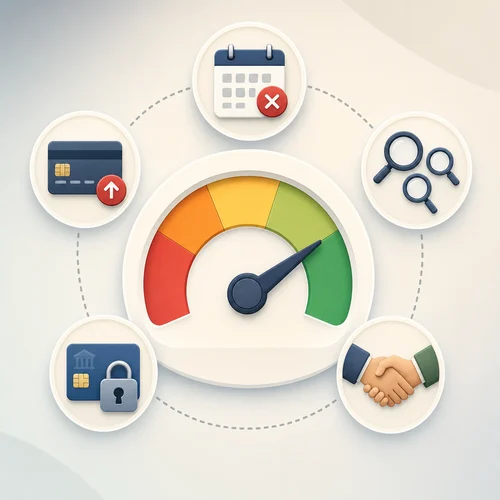
Personal loans in Australia are a common way to borrow a set amount of money and repay it over an agreed period. They can be used for purposes such as buying a car, funding a large purchase, consolidating debts, covering repairs or managing an unexpected expense.
Before applying, it helps to understand how personal loans work, how lenders assess applications, what fees and repayment obligations may apply, and how to compare options beyond the advertised interest rate. This article provides general information only and does not take your personal objectives, financial situation or needs into account.
What is a personal loan?
A personal loan is a credit product that allows an individual borrower to access funds from a lender and repay the amount borrowed, plus interest and any applicable fees, over time. Personal loans are usually repaid through regular instalments, often monthly, fortnightly or weekly depending on the lender and product.
Unlike a credit card or line of credit, many personal loans are structured as a fixed loan amount with a set loan term. Once the loan is approved and funded, you generally receive the amount agreed, then repay it according to the loan contract.
Personal loans in Australia may be offered by banks, credit unions, non-bank lenders and finance providers. Broker support may also be available where a borrower wants help understanding available finance pathways and application requirements.
Common uses for personal loans in Australia
Borrowers may consider a personal loan for a range of reasons. Common uses include:
- Vehicle purchases: funding a car, motorbike, caravan or other personal-use vehicle.
- Debt consolidation: combining several eligible debts into one loan repayment, where appropriate.
- Home improvements: paying for renovations, repairs, appliances or upgrades.
- Large purchases: funding furniture, technology, travel or major household costs.
- Unexpected expenses: covering costs that cannot be paid from savings, such as urgent repairs or medical-related expenses.
A personal loan is still a debt obligation, even when used for a practical purpose. It is important to consider whether the loan purpose justifies the cost of borrowing and whether repayments can be managed over the full term.
Secured and unsecured personal loans
One of the first distinctions to understand is the difference between a secured personal loan and an unsecured personal loan.
| Loan type | How it works | Key considerations |
|---|---|---|
| Secured personal loan | The loan is linked to an asset, such as a vehicle, which the lender may use as security. | May have different pricing or borrowing limits than an unsecured loan. If you default, the lender may have rights in relation to the secured asset, subject to the contract and law. |
| Unsecured personal loan | The loan is not secured against a specific asset. | Approval and pricing may rely more heavily on income, expenses, credit history and overall risk. Interest rates may differ from secured options. |
A secured personal loan is not automatically cheaper or more suitable, and an unsecured personal loan is not automatically better because no specific asset is pledged. The right structure depends on the purpose of the loan, your financial circumstances, lender criteria and the total cost and conditions of the loan.
How personal loan repayments work
Personal loan repayments usually include part of the amount borrowed, known as the principal, plus interest and any applicable fees. The repayment amount is influenced by several factors:
- Loan amount: borrowing more generally increases repayments and total interest cost.
- Interest rate: the rate affects how much interest accrues over the loan term.
- Loan term: a longer term may reduce each repayment but can increase total interest paid over time.
- Repayment frequency: weekly, fortnightly or monthly repayments may affect budgeting and cash flow.
- Fees: establishment, monthly, annual, early repayment or late payment fees can affect the overall cost.
Using a calculator can help you test different loan amounts, terms and rates before applying. Any estimate is only a guide, because actual repayments depend on the final loan offer and lender terms. You can explore available loan calculators to model repayment scenarios and consider whether a proposed repayment fits your budget.
Fixed and variable personal loan interest rates
Personal loans may have fixed or variable interest rates, depending on the lender and product.
A fixed rate generally means the interest rate is set for the agreed period. This can make repayments more predictable, although the loan may have conditions around extra repayments, redraw or early payout.
A variable rate can move up or down over time. This may provide more flexibility in some cases, but repayments or interest costs can change if the rate changes.
When comparing rates, look beyond the headline number. The comparison should include fees, the repayment schedule, loan features, early repayment rules and the total amount payable over the loan term. For a broader explanation of common contract wording, see this guide to understanding loan terms.
Personal loan fees and charges to check
Personal loan fees vary by lender and product. Do not assume a loan with a lower interest rate will necessarily have the lower overall cost. Fees can make a meaningful difference, especially on smaller loan amounts or shorter loan terms.
Fees and charges to check may include:
- Application or establishment fee: a cost for setting up the loan.
- Ongoing account fee: a regular monthly or annual fee.
- Early repayment or early payout fee: a fee that may apply if you repay the loan ahead of schedule.
- Late payment fee: a fee if repayments are missed or made after the due date.
- Direct debit dishonour fee: a fee that may apply if a scheduled payment fails.
- Variation fee: a fee for changing agreed loan arrangements, where available.
Always read the loan contract and fee schedule before accepting an offer. If anything is unclear, ask the lender or broker to explain it in plain language before you sign.
How lenders assess personal loan applications
Lenders assess personal loan applications against their own credit policies and legal obligations. Approval is not guaranteed, and eligibility, loan amount, pricing and conditions depend on individual circumstances and provider criteria.
Common assessment factors may include:
- Income: your regular earnings and whether they are sufficient to support the proposed repayments.
- Employment or income stability: whether income is ongoing, variable, casual, self-employed or otherwise verifiable.
- Expenses: living costs, rent or mortgage payments, dependants and other recurring commitments.
- Existing debts: credit cards, buy now pay later arrangements, other personal loans, car finance or home loan repayments.
- Credit history: repayment behaviour, credit enquiries, defaults, hardship arrangements and other credit file information.
- Loan purpose: what the funds will be used for and whether the loan type matches that purpose.
- Security: for secured loans, the value, age, type and condition of the asset may be relevant.
Some lenders may request documents such as payslips, bank statements, identification, employment details, tax records for self-employed applicants or information about existing debts. Requirements vary, so check what is needed before submitting an application.
Steps in a typical personal loan process
The exact process varies, but a personal loan application often follows these broad steps:
- Define the purpose and amount: decide how much you need to borrow and avoid adding unnecessary amounts.
- Review your budget: assess whether repayments remain manageable if your expenses rise or income changes.
- Compare loan structures: consider secured versus unsecured, fixed versus variable, loan term, fees and repayment flexibility.
- Check eligibility indicators: review income, debts, credit history and documentation before applying.
- Submit an application: provide accurate personal, income and financial information.
- Assessment and verification: the lender reviews your application and may request more information.
- Review the offer: check the interest rate, comparison rate where provided, repayments, fees and conditions.
- Accept and manage the loan: if you proceed, keep repayments on time and contact the lender early if you experience difficulty.
If you want help understanding different options or preparing an application, a finance broker may be able to assist. Broker services, lender access, fees and commissions can vary, so it is worth asking how they work before proceeding. AnyLoan provides information about available broker support for borrowers who want to discuss finance options.
Debt consolidation with a personal loan
Debt consolidation is one common reason Australians consider a personal loan. It involves using one new loan to pay out multiple eligible debts, leaving a single repayment to manage.
This can simplify budgeting, but it does not automatically reduce the total cost of debt. The outcome depends on the new interest rate, fees, loan term and whether you avoid building up new debts after consolidating.
Before using a personal loan for debt consolidation, compare:
- the total cost of your existing debts if you keep paying them as they are;
- the total cost of the proposed consolidation loan, including fees;
- whether the new loan term extends your debt for longer;
- whether you can close or reduce credit facilities that contributed to the debt; and
- how the new repayment fits your budget.
Debt consolidation can be useful in the right circumstances, but it can also create a false sense of progress if spending habits do not change.
Risks to understand before applying
A personal loan can provide access to funds, but it also creates a legal repayment obligation. Risks to consider include:
- Over-borrowing: borrowing more than needed can increase repayments and interest costs.
- Repayment stress: repayments that seem affordable today may become harder if income falls or expenses rise.
- Credit impact: missed repayments, defaults or multiple unsuccessful applications can affect your credit profile.
- Asset risk: with a secured loan, default may put the secured asset at risk under the loan agreement.
- Longer-term cost: a longer loan term can make repayments smaller but may increase total interest.
- Fees and restrictions: some loans may limit extra repayments or charge fees for early payout.
If you are already struggling with bills or debt repayments, taking on a new personal loan may not solve the underlying issue. Consider speaking with your lender, a financial counsellor or another qualified professional before committing to more debt.
Questions to ask before choosing a personal loan
Before applying or accepting an offer, it may help to ask:
- What is the total amount I will repay over the full loan term?
- Is the loan secured or unsecured, and what does that mean for me?
- Is the interest rate fixed or variable?
- What fees apply upfront, during the loan and if I repay early?
- Can I make extra repayments without penalty?
- What happens if I miss a repayment?
- Will the lender perform a credit enquiry, and at what stage?
- What documents are required to assess the application?
- Does the repayment remain affordable if my circumstances change?
The cheapest-looking repayment is not always the most suitable option. A longer term can lower the regular repayment while increasing the overall amount paid. A loan with more flexibility may cost more but provide features that matter to your situation. The key is to compare the whole loan, not just one feature.
Final thoughts
Personal loans can be a practical finance option for Australian borrowers who understand the costs, obligations and alternatives. The main points to check are the loan purpose, secured or unsecured structure, interest rate type, fees, repayment amount, loan term, eligibility requirements and what happens if circumstances change.
Before applying, take time to compare options, model repayments and read the contract carefully. If you need support, consider asking questions before you sign and seek guidance where appropriate. A personal loan should fit within a realistic budget and be used for a purpose that justifies the cost of borrowing.