
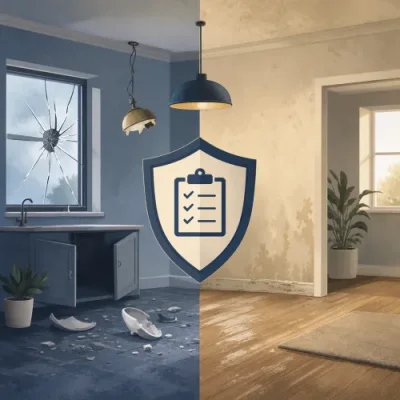
Tenant damage is one of the main reasons Australian rental property owners consider landlord insurance. But a common source of confusion is where tenant damage ends and ordinary wear and tear begins.
In general, landlord insurance may respond to certain insured events such as accidental damage, malicious damage or loss of rent, depending on the policy. Ordinary wear and tear, gradual deterioration and poor maintenance are commonly excluded. The exact position depends on the insurer, the Product Disclosure Statement (PDS), optional extras selected, exclusions, evidence available and the circumstances of the claim.
This article explains how insurers may distinguish tenant damage from wear and tear, what landlords can do to reduce disputes, and some things you may wish to check before choosing insurance for a rental property.
Tenant damage vs wear and tear: the basic difference
The practical difference is usually whether the issue was sudden, unexpected or caused by a specific incident, compared with gradual deterioration from normal use over time.
| Issue type | General meaning | How landlord insurance may treat it |
|---|---|---|
| Accidental damage | Unintended damage caused by a sudden mishap, such as a tenant accidentally breaking a fixture. | May be covered if the policy includes accidental damage and the event is not excluded. |
| Malicious or deliberate damage | Intentional damage caused by a tenant, occupant or guest, such as smashed fittings or intentional vandalism. | May be covered by some landlord policies, often subject to specific conditions, limits and evidence requirements. |
| Tenant neglect | Damage or deterioration that may arise from failure to take reasonable care, such as not reporting a leak. | Treatment varies. Some policies may exclude neglect, gradual damage or preventable loss. |
| Ordinary wear and tear | Expected deterioration from normal use and ageing, such as minor carpet flattening, faded paint or scuffed surfaces. | Commonly excluded because it is considered part of owning and maintaining a rental property. |
| Poor maintenance or gradual deterioration | Issues caused or worsened by age, lack of upkeep or delayed repairs. | Commonly excluded or limited, even if the issue becomes expensive to fix. |
These categories can overlap in real claims. For example, a stained carpet might be accidental damage if there is evidence of a sudden spill, but wear and tear if the stain reflects gradual soiling over years of normal use. The outcome will depend on the policy wording and the available facts.
What counts as tenant damage in landlord insurance?
Tenant damage is not a single standardised insurance category. Policies often use more specific terms, such as accidental damage, malicious damage, intentional damage, vandalism, theft by tenant, contents damage or damage caused by a tenant’s guests. Each of these may be covered differently.
Examples that may be considered tenant damage, depending on the policy and circumstances, include:
- broken internal doors, cupboards or fixtures caused by a specific incident;
- damage to walls, flooring or fittings beyond normal use;
- malicious damage to locks, windows, appliances or built-in items;
- damage caused by a tenant’s visitor, where the policy extends to that scenario;
- accidental breakage of landlord-owned contents, if contents cover and accidental damage apply.
Some landlord insurance policies include tenant damage cover automatically, while others make it optional or apply different limits. A policy may also distinguish between building damage and contents damage. For example, damage to walls or fixed cabinetry may fall under landlord building cover, while damage to freestanding furniture supplied with the property may require landlord contents cover.
If you are reviewing insurance for landlords, it is worth checking whether tenant damage is included, what type of tenant damage is covered, and whether accidental damage must be added separately.
What is ordinary wear and tear in a rental property?
Wear and tear generally means the normal deterioration that occurs when a property is lived in and used in a reasonable way. It is not usually treated as an insurable event because it is expected over time.
Common examples may include:
- minor carpet wear in high-traffic areas;
- faded curtains or blinds from sunlight;
- small scuffs or marks on walls from normal occupation;
- loose door handles, hinges or fittings from age and regular use;
- paint deterioration where repainting would reasonably be expected;
- older appliances failing due to age rather than a sudden insured event.
This distinction matters because landlords are generally expected to budget for normal repairs, upkeep and replacement of ageing items. Insurance is designed to cover specified insured events, not routine depreciation or the normal cost of owning an investment property.
Why the distinction can be hard in practice
Not every property condition issue is obvious. A landlord, tenant, property manager and insurer may have different views about whether an item is damaged, worn out, poorly maintained or affected by a sudden event.
Common grey areas include:
- Carpets and flooring: heavy staining, burns, pet-related marks or torn carpet may be assessed differently from gradual wear in walkways.
- Walls and paint: a hole in plasterboard may be treated differently from faded paint, nail holes or minor scuffs.
- Water damage: sudden escape of liquid may be different from long-term leaks, poor ventilation, mould or delayed maintenance.
- Appliances: impact damage may be different from mechanical breakdown due to age.
- Outdoor areas: storm damage may be different from rot, rust, lack of upkeep or ageing materials.
The age and condition of the item before the tenant moved in can also matter. An insurer may consider whether the damage is beyond what would reasonably be expected for the item’s age, quality and prior condition.
Accidental damage landlord insurance: what to check
Accidental damage landlord insurance generally refers to cover for sudden and unintended damage. It can be valuable for landlords, but it is not always included automatically.
When comparing policies, you may wish to consider checking:
- whether accidental damage is standard or an optional extra;
- whether it applies to building, contents or both;
- whether tenant-caused accidental damage is included or treated separately;
- claim limits, excesses and sub-limits;
- whether damage by pets is included, limited or excluded;
- whether short-term rental, holiday letting or rooming arrangements affect cover;
- what evidence the insurer may request.
For example, a landlord-owned cooktop cracked in a one-off accident may be treated differently from an older appliance that stopped working through normal use. Similarly, a sudden broken window may be easier to assess than gradual carpet staining over a long tenancy.
Malicious damage landlord insurance: what makes it different?
Malicious damage generally involves intentional damage. In landlord insurance, this may include damage deliberately caused by a tenant, former tenant or guest. However, policies vary significantly in how they define malicious damage and what proof is required.
Some policies may require evidence that the damage was intentional rather than accidental or caused by neglect. Depending on the claim, useful evidence may include:
- entry and exit condition reports;
- dated inspection photos;
- property manager notes;
- repair invoices or trade reports;
- police reports, where relevant;
- communication records with the tenant or property manager.
Cover may also be affected by exclusions. For example, some policies may limit or exclude damage where the property was left unoccupied for longer than allowed, where the tenancy type was not disclosed, or where required security measures were not maintained. Always check the relevant PDS rather than assuming all malicious damage is covered.
Evidence that may help distinguish damage from wear and tear
Good records can make a significant difference when a landlord needs to show what changed during a tenancy. They can also help resolve disputes before they become insurance claims.
Useful records may include:
- Condition reports: detailed ingoing and outgoing reports that note the condition of rooms, fittings, flooring, appliances and outdoor areas.
- Photos and videos: clear, dated images showing the condition of items at the start, during and end of the tenancy.
- Routine inspection reports: regular inspections conducted in line with applicable state or territory tenancy rules.
- Maintenance records: invoices, work orders and correspondence showing repairs were addressed promptly.
- Tenant communications: records of reported issues, repair requests and responses.
- Lease and property management documents: documents showing occupancy arrangements and responsibilities.
State and territory residential tenancy rules can influence inspection processes, bond claims and dispute handling. Insurance decisions are separate from tenancy tribunal decisions, but consistent documentation can support both property management and insurance outcomes.
Policy wording matters more than the label
Two landlord insurance policies can use similar marketing language but provide different cover. The important details are usually found in the PDS, policy schedule, exclusions and optional benefit sections.
Before relying on a policy for tenant damage insurance in Australia, consider asking:
- Does the policy cover accidental damage by tenants?
- Does it cover malicious damage by tenants or their guests?
- Are tenant damage, theft by tenant and vandalism treated separately?
- Are landlord contents covered, or only the building?
- Are carpets, blinds, curtains, appliances and furnishings included?
- Are there sub-limits for tenant damage, rent default or legal expenses?
- What excess applies to each type of claim?
- Are there exclusions for pets, short-term stays, subletting or vacant periods?
- What documents are needed at claim time?
If you are unsure how a policy would respond to your circumstances, you can ask the insurer or speak with a participating professional through the brokers page for general assistance with policy comparisons and questions. Any policy decision should be based on your own circumstances and the relevant provider’s criteria.
How maintenance affects tenant damage claims
Maintenance and tenant damage are connected, but they are not the same thing. A landlord may believe a tenant caused a loss, while an insurer may consider whether the issue resulted from gradual deterioration, poor upkeep or a pre-existing condition.
For example, if a leaking pipe causes cabinet damage, the insurer may consider whether the leak was sudden or long-running, whether it had been reported, and whether repairs were delayed. If a fence collapses, the insurer may consider whether it failed due to a storm event or because it was already rotted or unstable.
Preventative maintenance can reduce the risk of damage worsening and can provide useful evidence that the property was being managed responsibly. For more practical upkeep ideas, see these tips for reducing rental property maintenance costs.
What to do if damage occurs
If you discover possible tenant damage, act promptly and keep clear records. The exact process depends on your insurer, property manager and tenancy arrangements, but general steps may include:
- Make the property safe: arrange urgent repairs if needed to prevent injury or further loss.
- Document the damage: take dated photos or videos before repairs where safe and practical.
- Check the lease and condition reports: compare the current condition with the ingoing report and inspection records.
- Notify the property manager or tenant: keep written records of relevant communications.
- Review the policy: check the PDS, policy schedule, excesses, exclusions and claim notification requirements.
- Contact the insurer promptly: ask what evidence is required before authorising non-urgent repairs.
- Keep invoices and trade reports: retain repair quotes, receipts and professional assessments.
Do not assume the bond and insurance will respond in the same way. A bond dispute and an insurance claim may involve different rules, evidence and decision-makers.
Common exclusions and limitations to watch for
Every policy is different, but landlords should pay close attention to exclusions and limits that commonly affect tenant damage and wear and tear issues. These may include:
- wear and tear, depreciation or gradual deterioration;
- poor maintenance, rust, rot, corrosion or structural defects;
- mould, mildew or dampness where not linked to a covered event;
- damage from insects, vermin or pests;
- unreported vacancy beyond the allowed period;
- undisclosed changes to tenancy type or property use;
- damage caused by renovations or illegal activity;
- losses below the excess amount;
- limits on carpets, curtains, blinds, furnishings or appliances;
- requirements to mitigate loss after damage is discovered.
The presence of an exclusion does not necessarily mean a claim will be declined, but it does mean the facts and policy wording are important. Insurers assess claims according to the contract terms and the evidence provided.
How to choose cover if tenant damage is a concern
If tenant damage is one of your main risks, look beyond the headline premium. A cheaper policy may have narrower cover, higher excesses or lower sub-limits, while a more comprehensive policy may still contain exclusions that matter for your property.
Consider the following factors:
- the property type, age and condition;
- whether it is leased long-term, short-term or furnished;
- whether landlord contents need to be insured;
- the quality of condition reports and property management processes;
- the policy’s approach to accidental damage and malicious damage;
- loss of rent cover and when it applies;
- excess levels and whether multiple excesses may apply;
- claim evidence requirements and timeframes.
Landlord insurance cannot remove every risk or replace good property management. However, understanding the difference between tenant damage and wear and tear can help you ask better questions and avoid relying on cover that may not apply.
In Conclusion
Landlord insurance may cover some forms of tenant damage, particularly where the policy includes accidental damage, malicious damage or specific tenant-related benefits. Ordinary wear and tear, ageing, gradual deterioration and maintenance issues are commonly excluded.
The most important step is to read the PDS carefully and keep detailed records of your property’s condition. If the distinction is unclear, ask the insurer or broker how the policy treats tenant damage, accidental damage, malicious damage and wear and tear before you need to make a claim.