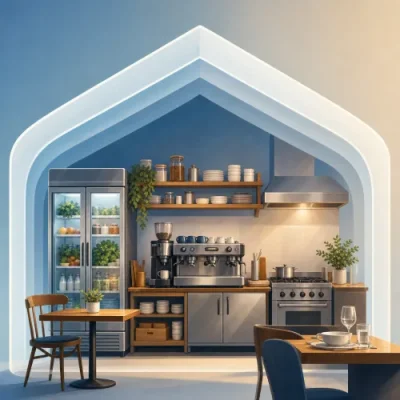
For many hospitality businesses, the value of what sits inside the venue can be just as important as the premises itself. Refrigerated ingredients, alcohol, coffee machines, commercial ovens, point-of-sale equipment, furniture and fit-outs may all be essential to daily trading.
Stock and contents insurance hospitality cover is designed to help businesses manage property-related risks, but the details can vary significantly between insurers and policy types. This article explains how stock, contents, equipment and related property cover may work for cafes, restaurants, bars, food venues and caterers in Australia.
This is general information only. It does not take into account your business objectives, financial situation or needs. Cover availability, pricing, limits and exclusions depend on the insurer, policy wording and your individual business circumstances.
What does stock, contents and equipment insurance mean in hospitality?
Hospitality property insurance is not one single, standard product. It is usually made up of different types of cover that protect different business assets. Understanding the difference between stock, contents, equipment, fixtures and fittings can help you avoid gaps or double-counting when comparing policies.
| Asset type | Hospitality examples | Why the distinction matters |
|---|---|---|
| Stock | Food ingredients, beverages, alcohol, packaged goods, takeaway supplies and retail items held for sale | Stock values can change quickly due to seasonality, deliveries, events and perishability. |
| Contents | Tables, chairs, crockery, glassware, uniforms, shelving, office equipment and general business items | Contents may be insured differently from building fixtures or leased items. |
| Equipment | Coffee machines, ovens, fryers, fridges, freezers, dishwashers, mixers, food processors and POS systems | Some equipment may need specific cover for breakdown, accidental damage or portable use. |
| Fixtures and fittings | Bars, counters, built-in shelving, lighting, fixed seating, extraction systems and installed kitchen components | Responsibility may depend on ownership, the lease and whether the building owner insures some items. |
| Tenant improvements | Renovations, fit-outs, partitions, flooring and signage paid for by the business tenant | Lease agreements can affect who is responsible for insuring improvements. |
If you lease your venue, do not assume the landlord's building insurance protects your business assets. A landlord policy may cover the building structure, but not your stock, equipment, fit-out or income loss. Your lease may also require you to hold particular types of insurance.
Common stock and contents risks for hospitality businesses
Hospitality operators face property risks that can be different from many other small businesses. The combination of food handling, refrigeration, heating equipment, customer access, deliveries and late-night trading can create specific exposures.
Fire, smoke and heat damage
Commercial cooking, electrical appliances, exhaust systems and kitchen equipment can increase the risk of fire or smoke damage. Even a relatively contained incident may damage stock, furnishings, walls, electrical items and refrigeration systems.
Theft and burglary
Bars, restaurants and cafes may keep valuable stock and equipment on site, including alcohol, coffee equipment, electronics and cash-handling systems. Policies may have conditions about locks, alarms, safes, after-hours access and evidence of forced entry.
Water damage
Burst pipes, leaking appliances, storms and water entering from neighbouring premises can damage flooring, stock, furniture, electrical systems and fit-outs. Flood cover is often treated separately from other water damage and may not be automatically included.
Food spoilage and refrigerated stock loss
Perishable stock is a major issue for hospitality businesses. Food spoilage insurance may respond in certain circumstances, such as refrigeration breakdown or insured power failure, depending on the policy wording. It may not cover every cause of spoilage, such as poor stock rotation, incorrect storage practices or deliberate power disconnection.
Accidental damage
Busy venues can experience accidental damage to glassware, fixtures, furniture, appliances and equipment. Some policies include accidental damage automatically, while others offer it as an optional extension or restrict it to certain asset types.
Equipment breakdown
Equipment breakdown cover may help with the cost of repairing or replacing insured machinery after a defined mechanical or electrical breakdown. This can be especially important for refrigeration, cooking, coffee and dishwashing equipment. It is separate from ordinary wear and tear, maintenance costs or gradual deterioration, which are commonly excluded.
How restaurant stock insurance and cafe equipment insurance may work
Restaurant stock insurance and cafe equipment insurance are often part of a broader business insurance package rather than standalone policies. A policy may include sections for business property, glass, theft, money, machinery breakdown, deterioration of stock and business interruption.
The exact structure depends on the insurer. Some policies allow you to select sections and limits, while others bundle common covers together. When reviewing hospitality contents insurance, pay close attention to:
- Insured events: The policy may only respond to specific events, such as fire, storm, theft or accidental damage.
- Sum insured: This is the maximum amount the insurer will pay for a covered claim, subject to the policy terms.
- Sub-limits: Certain items, such as refrigerated stock, alcohol, glass, outdoor property or electronic equipment, may have lower limits.
- Excesses: You may need to contribute an excess when making a claim.
- Basis of settlement: Claims may be settled on replacement, reinstatement, indemnity or another basis stated in the policy.
- Location limits: Cover may only apply at the insured premises unless portable property, goods in transit or off-site catering cover is included.
- Security conditions: Theft cover may depend on meeting lock, alarm, access or storage requirements.
For a broader overview of how property cover fits within a hospitality insurance program, you can read the guide to hospitality insurance considerations for Australian business owners.
Food spoilage insurance: what to check carefully
Food spoilage can be a major financial loss for venues that hold fresh produce, seafood, meat, dairy, frozen goods or prepared items. However, food spoilage insurance is one area where policy wording matters.
Before relying on spoilage cover, consider asking:
- Does the policy cover deterioration of stock due to refrigeration breakdown?
- Does it cover power interruption, and if so, must the interruption last for a minimum period?
- Does cover apply if the power failure occurs outside the premises?
- Are there different limits for refrigerated, frozen and ambient stock?
- Are alcohol, high-value food items or prepared catering orders treated differently?
- What maintenance records are required for refrigeration equipment?
- Are temperature logs, stock records or supplier invoices needed for a claim?
Insurers may expect refrigeration equipment to be properly maintained and used according to manufacturer guidance. A claim may be affected if the loss relates to neglect, poor maintenance or failure to act after discovering a fault.
Stock, contents and equipment cover is not the same as business interruption
Replacing damaged stock or equipment is only one part of the financial impact of an incident. If a fire, storm, equipment failure or insured property damage forces your venue to close or trade at reduced capacity, you may also lose income.
Business interruption insurance is generally designed to help with loss of gross profit or certain ongoing expenses after an insured event, subject to the policy terms. It is usually separate from stock and contents cover, although the two may be linked. For example, business interruption cover may only respond if the interruption follows property damage insured under the same policy.
If your venue relies on a small number of critical items, such as a main oven, coffee machine, cool room or exhaust system, it may be worth considering how equipment damage could affect both replacement costs and trading capacity.
How to estimate the value of stock, contents and equipment
Underinsurance can be a significant issue for hospitality businesses. If your sum insured is too low, a claim payment may not fully cover replacement or reinstatement costs. Some policies may also include average or co-insurance clauses, which can reduce claim payments where assets are underinsured.
When estimating values, consider:
- Peak stock levels: Do not rely only on quiet trading periods. Include seasonal peaks, holiday periods, functions and large pre-event orders.
- Replacement cost of equipment: Check what it would cost to replace commercial-grade equipment, not just its second-hand value.
- Installation and delivery: Large equipment may require specialist installation, freight, plumbing, electrical work or compliance checks.
- Fit-out costs: Include tenant improvements, counters, built-in seating, signage and other items you are responsible for insuring.
- Small items: Crockery, cutlery, glassware, utensils, linen and storage containers can add up quickly.
- Leased or financed equipment: Clarify whether you are responsible for insuring items under lease, hire purchase or finance agreements.
- Outdoor property: Outdoor furniture, heaters, umbrellas, barriers and signage may be subject to specific limits or conditions.
A practical stock and equipment register can make quoting, reviewing cover and making a claim easier. It may include item descriptions, serial numbers, purchase dates, suppliers, photos, invoices and maintenance records.
Questions to ask before comparing hospitality property insurance
When comparing hospitality property insurance, it can help to focus on the specific risks in your venue rather than only the premium. A lower premium may reflect lower limits, narrower cover, higher excesses or exclusions that matter to your business.
Useful questions include:
- What stock, contents, equipment, fixtures and fit-out items are included?
- Are refrigerated stock and food spoilage covered, and under what circumstances?
- Are theft, burglary, malicious damage and employee theft treated differently?
- Is flood cover included, excluded or available as an optional extension?
- Does equipment breakdown cover include both repair costs and deterioration of stock?
- Are portable items, catering equipment or goods in transit covered away from the premises?
- What are the policy sub-limits for alcohol, outdoor property, glass, signs and electronic equipment?
- What security, maintenance or record-keeping conditions apply?
- How does the policy respond if the premises are closed for renovation, relocation or seasonal breaks?
- Is business interruption included, optional or excluded?
If you operate a cafe and want to see how this cover interacts with other common insurance types, the article on insurance types every cafe owner should consider may provide helpful context.
Policy exclusions and limitations to look for
Every insurance policy has exclusions, conditions and limits. These are not always obvious from a short quote summary, so it is important to read the Product Disclosure Statement and policy schedule carefully.
Common limitations may relate to:
- wear and tear, rust, corrosion, gradual deterioration or lack of maintenance;
- vermin, insects, contamination or mould, unless linked to an insured event;
- stock stored outside approved temperature ranges;
- unattended property, unsecured outdoor items or unlocked premises;
- flood, storm surge or water entering due to poor building maintenance;
- electrical or mechanical breakdown where equipment breakdown cover is not selected;
- cash, alcohol or high-value stock above stated limits;
- items owned by others, unless the policy includes them;
- damage caused by renovations, building works or contractor activities; and
- losses occurring outside the insured premises.
Some exclusions may be negotiable or manageable through optional extensions, higher limits or risk controls. Others may be standard insurer restrictions. If the wording is unclear, consider seeking guidance from an insurance professional before making decisions.
How brokers can help with stock and contents insurance hospitality cover
Hospitality businesses often have multiple property exposures in one location: kitchen equipment, customer areas, food storage, alcohol stock, signage, outdoor areas and leased premises obligations. A broker can help you compare policy terms, not just premiums, and identify where sub-limits or exclusions may affect your business.
For example, an insurance broker may help you prepare asset values, explain insurer questions, review policy wording and identify whether optional covers such as machinery breakdown, deterioration of stock, glass or business interruption are relevant to your circumstances. A broker's role, recommendations and remuneration can vary, so it is reasonable to ask how they are paid and which insurers they can access.
Practical steps before you request hospitality insurance quotes
Before requesting hospitality insurance quotes, gather information that insurers commonly need to assess property risk. This may help avoid delays and reduce the chance of selecting limits that do not reflect your actual exposure.
- List your business activities. Include dine-in, takeaway, delivery, catering, events, alcohol service and off-site operations.
- Create an asset register. Record major equipment, contents, fit-out items and stock categories.
- Estimate peak stock values. Include food, alcohol, packaged products, event supplies and seasonal increases.
- Review your lease. Check who is responsible for building fixtures, fit-out, glass, signage and tenant improvements.
- Check equipment ownership. Identify leased, financed, hired or supplier-owned items.
- Document security and maintenance. Record alarms, locks, refrigeration servicing, fire equipment and cleaning schedules.
- Consider interruption risk. Identify which equipment or areas are essential to trading.
- Read the policy wording. Check exclusions, sub-limits, excesses and claims conditions before deciding.
If you are reviewing stock and contents as part of a broader hospitality insurance package, the Hospitality Insurance Online homepage outlines common cover types that may be relevant to cafes, restaurants, bars and other hospitality businesses.
Key takeaway
Stock, contents and equipment insurance can play an important role in protecting hospitality businesses from property-related losses, but the value of the cover depends on the detail. A policy that suits one cafe, bar or restaurant may not suit another.
Focus on what your business owns, leases, stores and relies on to trade. Check how the policy treats stock, contents, equipment, fixtures, spoilage, breakdown, theft, water damage and business interruption. Most importantly, review limits and exclusions before you need to claim.