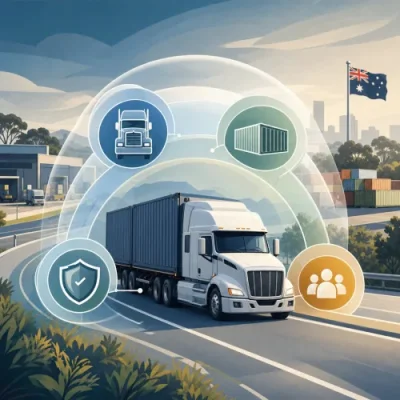
If you run a truck for work, understanding what does truck insurance cover is an important part of protecting your vehicle, business income and legal responsibilities. In Australia, commercial truck insurance cover can vary widely depending on whether you are an owner-driver, subcontractor, small transport business or fleet operator.
This guide explains the main types of risks and costs truck insurance may cover, what is often excluded, and the questions to ask before choosing a policy. It is general information only, not personal financial advice. Policy terms, pricing, availability and claims outcomes depend on your circumstances, the vehicle, the work you do and the insurer's criteria.
What truck insurance is designed to protect
Truck insurance is designed to help manage financial loss when a commercial vehicle is damaged, causes damage, is stolen, is involved in an accident, or creates liability for your business. It may also be packaged with cover for trailers, goods being carried, downtime, replacement vehicles and other transport-specific risks.
It is different from compulsory third party insurance, commonly known as CTP. CTP is generally linked to vehicle registration and relates to injury liability arising from road accidents, subject to state and territory rules. It does not usually cover damage to your truck, damage to someone else's property, cargo loss, business interruption or many other commercial risks.
For a broader overview of available options, you can visit Insurance For Trucks or speak with an appropriately licensed broker or insurer about your specific operations.
Common types of truck insurance coverage in Australia
There is no single standard truck insurance policy that suits every operator. Heavy vehicle insurance cover is usually built from different sections of cover, endorsements and exclusions. The table below summarises common cover types and the risks they may address.
| Cover type | What it may cover | Common considerations |
|---|---|---|
| Comprehensive truck insurance | Damage to your insured truck from accidents, theft, fire, storm, vandalism or other insured events, plus third-party property damage. | Check agreed or market value, excesses, driver restrictions, radius limits and repair conditions. |
| Third-party property damage | Damage your truck causes to another person's vehicle, property or infrastructure. | Does not generally cover damage to your own truck unless an additional benefit applies. |
| Fire and theft | Loss or damage to your truck caused by insured fire or theft events, often with third-party property cover. | May not cover accidental damage to your own truck after a collision. |
| Trailer cover | Damage to insured trailers, including specified or attached trailers depending on the policy. | Confirm whether trailers are automatically covered or need to be listed. |
| Goods in transit or cargo cover | Loss or damage to freight, goods or cargo while being transported, subject to the policy terms. | Limits, exclusions and loading requirements can be significant. |
| Downtime or business interruption | Some costs or lost income while an insured truck is off the road after an insured event. | Waiting periods, daily limits and maximum claim periods may apply. |
| Public liability or general liability | Liability for property damage or injury connected with your business activities, where covered. | May be separate from vehicle insurance and should be reviewed with your broader business risks. |
Vehicle damage cover
Vehicle damage is often the first thing operators think about when considering truck insurance coverage in Australia. Depending on the policy selected, cover may apply if your insured truck is damaged in an accident, stolen, burnt, maliciously damaged or affected by certain weather events.
Important details to check include:
- Insured value: whether the truck is insured for an agreed value, market value or another method described in the policy.
- Modifications and accessories: whether bull bars, toolboxes, refrigeration units, cranes, hydraulic equipment, signage and communications equipment are included.
- Repair arrangements: whether the insurer nominates repairers, whether you can choose a repairer and how assessment works.
- Salvage and total loss rules: what happens if the truck is written off and how outstanding finance may be treated.
- Driver and use restrictions: whether certain drivers, routes, contracts or goods types need to be disclosed.
If you are deciding between comprehensive and more limited cover, the related guide Comprehensive vs. Third Party: Which Truck Insurance is Right for You? explains the difference in more detail.
Third-party property damage
Commercial trucks can cause substantial damage in an accident, including to other vehicles, buildings, fences, loading docks, road infrastructure or customer property. Third-party property damage cover is designed to respond when your insured vehicle causes damage to someone else's property and you are legally liable, subject to policy terms.
This cover is important even for older trucks with a lower vehicle value. A truck may not be worth insuring comprehensively in every case, but the cost of damaging another vehicle, business premises or infrastructure can still be significant.
Operators should check the policy limit, excess, exclusions for unlicensed or unauthorised drivers, and any restrictions relating to dangerous goods, oversize loads, remote routes or contract work.
Trailers, attached equipment and specialised truck bodies
Many trucks rely on trailers, bodies and fitted equipment that may not be automatically covered in the same way as the prime mover or rigid truck. Examples include:
- semi-trailers and B-double combinations;
- tankers, tippers, refrigerated units and curtainsiders;
- vehicle carriers, livestock crates and flat tops;
- cranes, tailgates, winches and loading equipment;
- custom bodies, toolboxes and permanently fitted plant.
Some policies require each trailer or item of equipment to be specified. Others may provide limited cover for non-owned, hired or substitute trailers. If your business regularly swaps trailers, uses customer-owned trailers or hires equipment, this should be discussed before relying on a policy.
Freight, goods in transit and carriers' liability
Commercial truck insurance cover does not always automatically insure the goods being carried. Cargo and freight exposure can be handled in different ways, such as goods in transit insurance, carriers' liability cover or contract-specific arrangements.
Cover may vary depending on:
- the type of goods, such as refrigerated goods, livestock, machinery, parcels, furniture, fuel or dangerous goods;
- whether the loss occurs during loading, unloading, storage or transit;
- whether goods are owned by you, a customer or a third party;
- contract terms that allocate responsibility for damage or delay;
- security, temperature control, packaging and documentation requirements.
For freight operators, it is important to understand the difference between insuring the truck itself and insuring liability or loss connected with cargo. A vehicle policy may repair your truck after an accident, while a cargo-related policy may be needed to respond to damage to goods being carried.
Downtime, hire costs and business interruption
A truck being off the road can affect cash flow, delivery commitments and customer relationships. Some policies offer optional cover for downtime, substitute vehicles, hire costs or business interruption following an insured event.
These benefits can be valuable, but they often have strict conditions. You may need to consider:
- whether cover starts only after an insured accident, theft or total loss;
- whether there is a waiting period before payments begin;
- daily or weekly payment limits;
- maximum claim periods;
- whether hire vehicle availability is subject to location and vehicle type;
- evidence required to support loss of income or additional expenses.
Downtime cover should be reviewed alongside your contracts, finance obligations and backup operating arrangements. It may not cover every form of lost income, delay or lost customer opportunity.
Liability beyond the vehicle
Some transport businesses need liability protection that goes beyond road accidents. Depending on the insurer and policy structure, this may include public liability, products liability, pollution liability, loading and unloading liability or other business insurance sections.
For example, a truck may damage a customer's premises while unloading, a spill may create clean-up costs, or loading equipment may cause property damage. Whether these events are covered depends on the policy wording and whether the risk falls within the vehicle policy, a liability policy or another business insurance product.
Because liability arrangements can be complex, many operators choose to discuss cover options with a broker. You can use the Brokers page as a starting point for finding support, noting that any recommendation should take account of your circumstances and the provider's licensing arrangements.
Who and what is covered?
A truck insurance policy usually defines the insured vehicle, the insured business, permitted uses and authorised drivers. This can be just as important as the headline cover type.
Before buying or renewing cover, check whether the policy matches:
- Business structure: sole trader, company, partnership, subcontractor or fleet operator.
- Vehicle type: prime mover, rigid truck, tipper, tow truck, refrigerated truck, tanker, concrete agitator or other heavy vehicle.
- Use: general freight, long haul, local delivery, construction, waste, refrigerated transport, livestock, dangerous goods or courier work.
- Drivers: named drivers, any-driver policies, age or experience restrictions, casual drivers and subcontractors.
- Operating area: local, regional, interstate, remote area or depot-to-depot work.
- Finance and ownership: whether the truck is leased, financed, hired, owned outright or subject to finance company insurance requirements.
If your operations change, such as adding interstate routes, new drivers, different freight or additional trailers, you may need to tell the insurer. Non-disclosure or inaccurate information can affect cover and claims.
Common truck insurance exclusions
Truck insurance exclusions differ between policies, but common areas to review include:
- wear and tear, gradual deterioration, rust, mechanical failure or electrical breakdown;
- tyre damage unless caused by an insured event;
- use outside the policy's declared purpose, radius or operating conditions;
- unlicensed, suspended, unauthorised or improperly endorsed drivers;
- drivers affected by alcohol or drugs;
- failure to secure a load properly;
- overloading or operating outside legal mass or dimension limits;
- damage to excluded types of cargo;
- contractual penalties, fines or liquidated damages;
- losses occurring when the vehicle is not maintained in a roadworthy condition;
- some theft claims where required security measures were not followed.
Exclusions are not always obvious from a short quote summary. For more detail on costs and policy conditions that can be missed, see Hidden Costs to Watch Out for When Choosing Truck Insurance.
What costs can a truck insurance claim involve?
A claim may involve more than the repair bill. Depending on the circumstances and the policy, relevant costs may include:
- towing and recovery after an accident;
- assessment and repair costs;
- replacement parts and labour;
- storage fees while the truck is awaiting assessment or repair;
- clean-up or recovery costs after a spill or rollover;
- legal defence costs for covered liability claims;
- third-party property damage settlements;
- hire vehicle or downtime benefits if included;
- excess payments payable by the insured;
- cargo-related claim costs if cargo cover applies.
Some of these costs may be covered automatically, some may be optional, and others may not be covered at all. Always check the policy schedule, product disclosure statement and any endorsements.
How to choose cover for your operation
The right cover depends on your risk profile, not just the size of your premium. When comparing heavy vehicle insurance cover, consider:
- the replacement value of your truck, trailers and fitted equipment;
- how quickly your business would be affected if a vehicle was off the road;
- the type and value of freight you carry;
- contractual insurance requirements from customers, head contractors or finance providers;
- driver experience and claims history;
- where the truck operates and where it is parked overnight;
- the excess you can realistically afford after an incident;
- the policy limits and exclusions that could materially affect a claim.
It can be tempting to focus only on price, but a cheaper policy may have lower limits, more restrictive exclusions or fewer optional benefits. A more expensive policy is not automatically better either. The key is whether the cover aligns with your operations and risk tolerance.
Questions to ask before buying truck insurance
Before choosing or renewing a policy, ask practical questions such as:
- Is my truck insured for agreed value, market value or another basis?
- Are all trailers, modifications, accessories and fitted equipment included?
- Does the policy cover the freight I carry, or do I need separate cargo cover?
- Are my regular routes, depots and interstate operations covered?
- Are casual, employee, subcontractor or relief drivers covered?
- What excess applies to different claim types?
- Are downtime, hire vehicle or towing benefits included?
- What exclusions apply to loading, unloading, overloading or unsecured loads?
- What evidence is needed if I make a claim?
- How do claims work after hours or away from my home base?
Key takeaway
Truck insurance in Australia may cover vehicle damage, third-party property damage, trailers, cargo risks, liability exposures, downtime and related claim costs. However, each policy is different. The most important step is to match the cover to how your truck is actually used, what you carry, who drives it, where it operates and how your business would cope after an incident.
Read the policy wording carefully, compare more than the premium, and seek qualified guidance where needed. Insurance acceptance, pricing and claim outcomes are not guaranteed and depend on insurer criteria, disclosure, policy terms and the facts of each claim.